
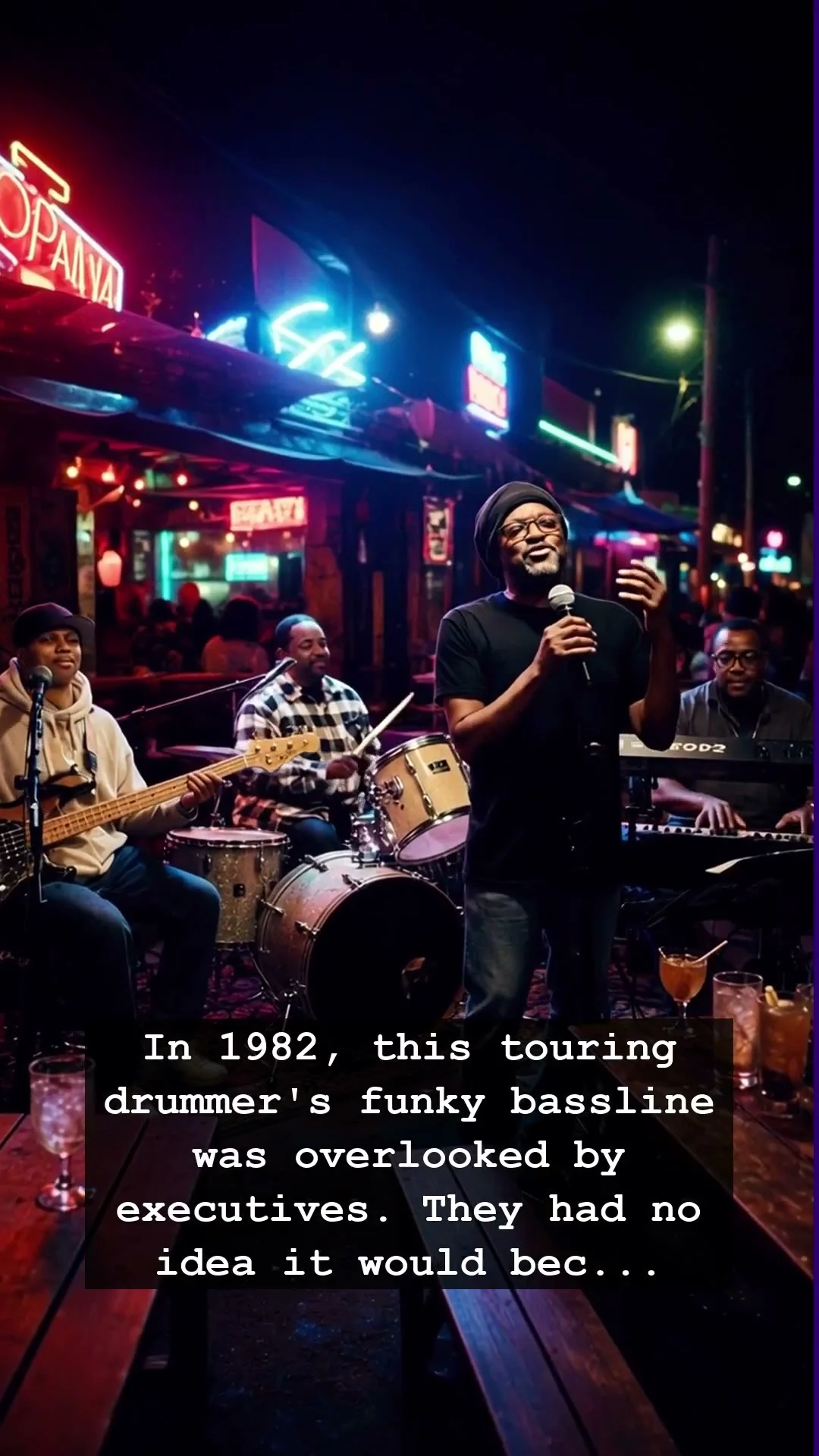
In the sweltering heat of the early 1980s, while the neon glow of Studio 54 was beginning to fade and the synthesized pulse of the new MTV era was just starting to take hold, a group of brothers from Oklahoma was quietly crafting a sound that would outlive the very charts they struggled to climb. The Gap Band, led by the enigmatic Charlie Wilson, was already a fixture of the funk and R&B scene, yet they carried a secret weapon within their studio sessions. It was 1982, and the music industry was obsessed with trends, looking past the raw, organic grit that The Gap Band provided. Executives heard a simple track; they failed to hear the rhythmic blueprint that would eventually underpin the birth of an entire musical revolution.
The song in question was the legendary track Outstanding. To the casual listener of the era, it was just another smooth, soulful groove perfect for a slow dance at a neighborhood hall or a late-night radio request. But deep within those layers of synthesizers and percussion lay a bassline so infectious and rhythmically locked that it defied the expiration date of the post-disco era. The Gap Band had inadvertently encoded the DNA of modern hip-hop into their recording sessions, creating a backbone that producers in the decades to follow would obsessively sample, loop, and revere. It was a masterpiece of accidental genius that the boardroom suits simply could not comprehend at the time.
As the Walkman became the primary vessel for the music of our youth, these hidden grooves from The Gap Band began to permeate the subconscious of a generation. The band lived through the transition from analog warmth to digital precision, often facing the cold reality of shifting radio formats. Yet, their legacy was never truly about the immediate chart-topping hits; it was about the texture of the sound. When you listen to the iconic bassline of their work today, you are hearing the ghost of the funk era haunting the production suites of legendary hip-hop producers. It is a testament to how art persists even when the architects are ignored by the commercial gatekeepers.
The brilliance of The Gap Band lies in their ability to maintain that soulful, human element while crafting precision beats that could be deconstructed and rebuilt. They brought the spirit of the church and the grit of the street into the studio, blending them until the rhythm became irresistible. Even as they dealt with the internal pressures of being a touring band in a cutthroat industry, they never lost that fundamental, funky pulse. They were architects of an era who didn’t know they were building the foundation for a future they would eventually lead the way for.
Looking back, it is truly staggering to realize how much of modern music history is built upon the discarded or overlooked ideas of 1982. The Gap Band remains a cornerstone of American soul, not just for their own hits, but for the invisible thread they spun through the decades. Next time you catch a familiar groove hidden under a crisp hip-hop beat, lean in closer and remember: that funky heartbeat likely started with a drummer and his brothers long before the world knew what a sample was. Does the sound of that era still echo in your memories, or are you just now discovering the brilliance hidden in the groove?