
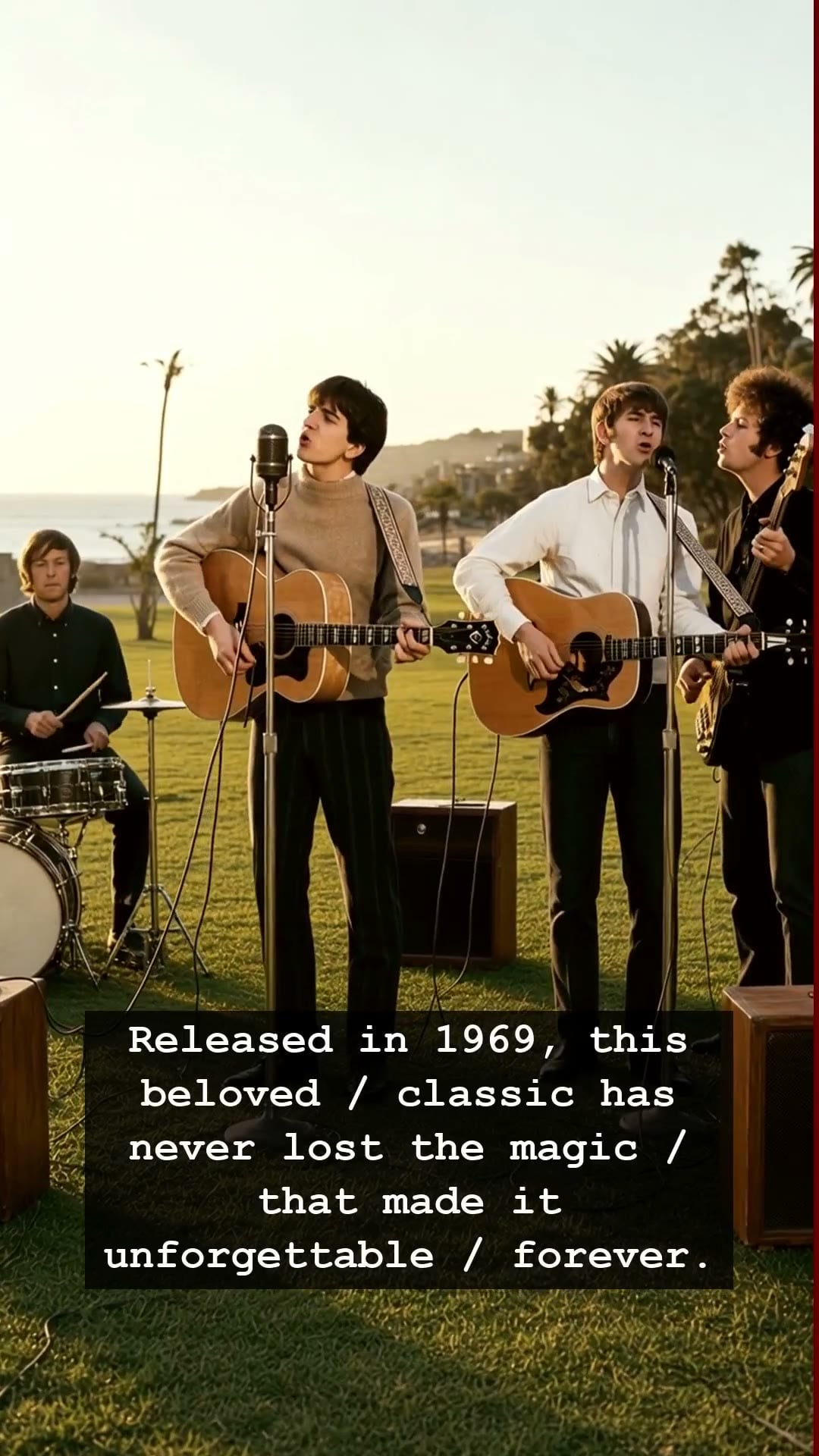
It was 1969, a year defined by the muddy fields of Woodstock and the fading embers of the Summer of Love. Out of the sonic collision of three iconic bands—The Byrds, The Hollies, and Buffalo Springfield—emerged an acoustic masterpiece that would define a generation. Crosby, Stills, Nash & Young were not just a supergroup; they were a lightning bolt of vocal harmonies that seemed too perfect to be true. But behind those crystalline chords and the gentle folk-rock aesthetic lay a volatile powder keg of ego, substance abuse, and relentless creative friction that nearly tore them apart before their journey truly began.
To understand the magic of Crosby, Stills, Nash & Young is to understand the era of the transistor radio and the deep, soulful longing for connection that permeated the late sixties. Their self-titled debut was a cultural shift, but it was the addition of the mercurial Neil Young that transformed the unit into a national obsession. They were the voice of the counterculture, singing about American landscapes and broken homes while their own personal lives were being consumed by the very excesses they tried to articulate. The tension between the quartet was palpable, often manifesting as vicious squabbles in the recording studio that left engineers trembling and producers desperate.
David Crosby, Graham Nash, Stephen Stills, and Neil Young were four distinct musical kingdoms forced to share a single throne. Crosby was the restless visionary, Stills the perfectionist taskmaster, Nash the melodic glue, and Young the enigmatic wanderer. This dynamic was a recipe for both brilliance and disaster. They were icons of the era, yet behind the scenes, they were grappling with the dark side of sudden, overwhelming fame. The pressures of the road—far from the warmth of home—often fueled the volatile behavior that would become their trademark. It is a miracle that they managed to capture such delicate, haunting beauty on tape when the air in the studio was often thick with resentment.
Despite the drama, the music they produced in 1969 remains etched into the collective memory of every Boomer and Gen X listener. When those harmonies kick in, it is as if the years vanish, pulling you back into a world of vinyl records and the raw, unfiltered truth of the analog age. There was something undeniably profound about their ability to bridge the gap between folk-rock tenderness and the turbulent political climate of their time. They were the soundtrack to a country in search of its own soul, and they paid a heavy price for that relevance.
Decades later, the legend of Crosby, Stills, Nash & Young continues to echo in our digital playlists, serving as a reminder of an era where art was messy, flawed, and profoundly human. We cling to their music because it feels like a secret, a testament to a time when four guys could argue for hours, record a song that sounded like heaven, and change the world in a single afternoon. Do you still remember where you were the first time you heard those haunting notes? The magic of 1969 never truly fades, it just waits for us to press play once more.