
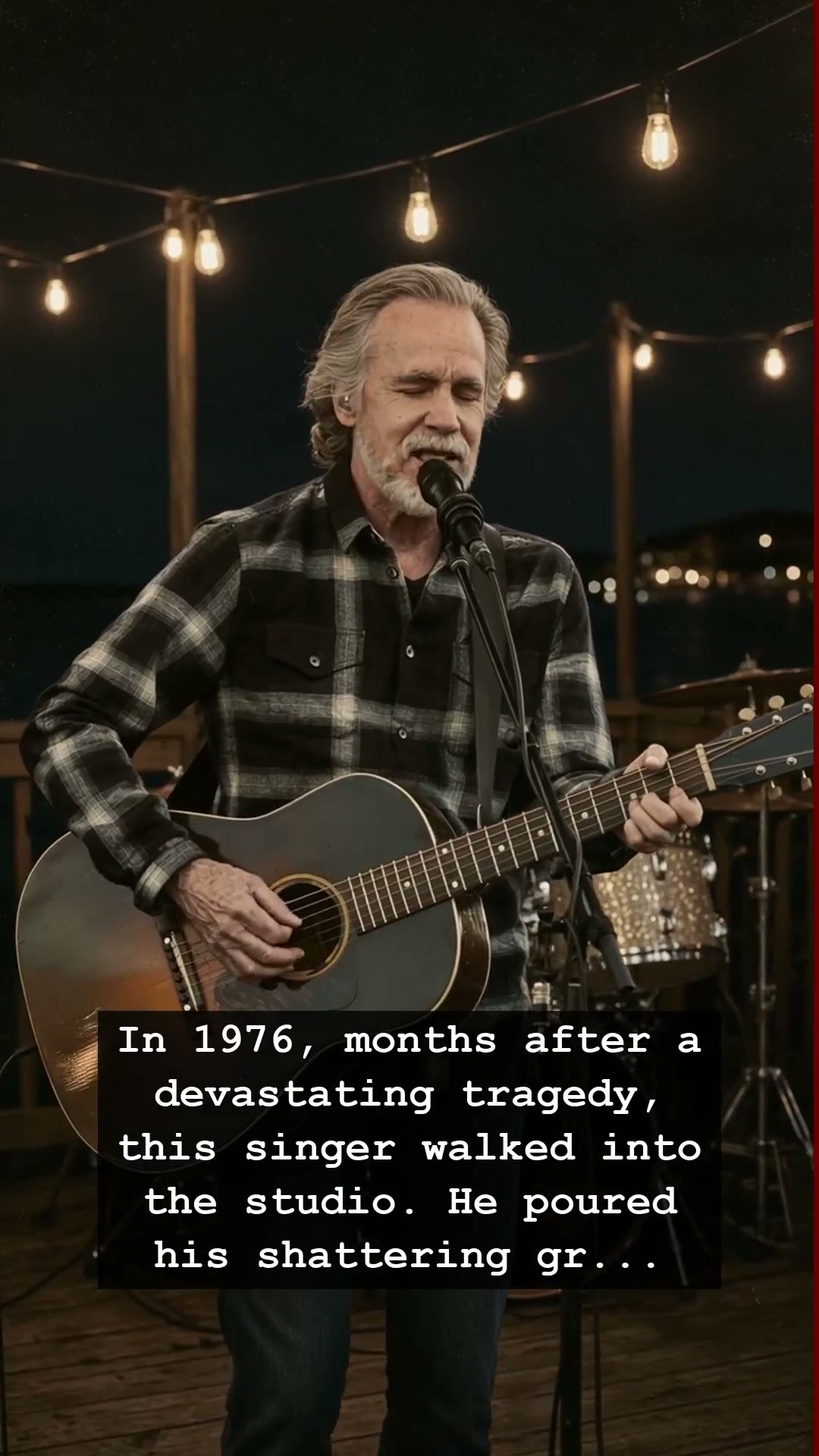
The year was 1976. While the world was obsessed with the shimmering lights of Studio 54 and the burgeoning disco craze, one man walked into the legendary Sunset Sound studio in Los Angeles carrying a weight that the radio waves of the era could barely contain. Jackson Browne was not there to chase the upbeat pop trends defining the mid-seventies; he was there to survive the remnants of a life shattered by an unthinkable tragedy. Just months earlier, his wife, Phyllis Major, had taken her own life, leaving the songwriter to navigate a profound, deafening silence that would eventually birth one of the most enduring albums of the decade, The Pretender.
To understand the gravity of this moment, one must look back at the California singer-songwriter scene that Jackson Browne helped define. This was an era of Laurel Canyon mysticism and introspection, where the acoustic guitar was often a vessel for brutal honesty. Yet, the tragedy of 1976 pushed Browne into a space few artists dare to inhabit. He arrived at the studio still reeling, caught in the crosshairs of sudden single fatherhood and the crushing expectations of the music industry. The grief was not just a theme for his lyrics; it was a physical presence in the recording booth, a specter that haunted every chord progression and every weary, desperate vocal take.
Working alongside producer Jon Landau, Jackson Browne turned his personal wreckage into a tapestry of sonic resilience. The album, The Pretender, became an anthem for a generation that was beginning to feel the cracks in the American Dream. While his peers were perfecting the polished sound of arena rock, Browne was plumbing the depths of existential exhaustion. He sang of the compromises of adulthood, the fading dreams of youth, and the quiet desperation of those who had learned to play the role of the survivor. It was a dark, brooding masterpiece that rejected the glitz of the era in favor of something far more unsettling and raw.
There is a chilling vulnerability in tracks like The Fuse or the title song, where Jackson Browne strips away the facade of the golden-boy rock star. You can almost hear the hum of the analog tape machines and the thick, cigarette-stained air of the 1970s studio sessions. It remains a testament to the power of art as a survival mechanism. He wasn’t writing for the charts; he was writing to pull himself back from the brink of a void that threatened to swallow him whole.
Decades later, the resonance of this record remains undimmed. Jackson Browne proved that even in the face of insurmountable loss, there is a way to transmute sorrow into something permanent and beautiful. As we look back through the lens of nostalgia, listening to these tracks on vintage turntables or crackling cassettes, we aren’t just hearing a song; we are witnessing a man finding his way back to the light, one haunting melody at a time. The Pretender stands as an eternal reminder that the greatest songs are rarely born of joy, but forged in the fires of our deepest human experiences.