
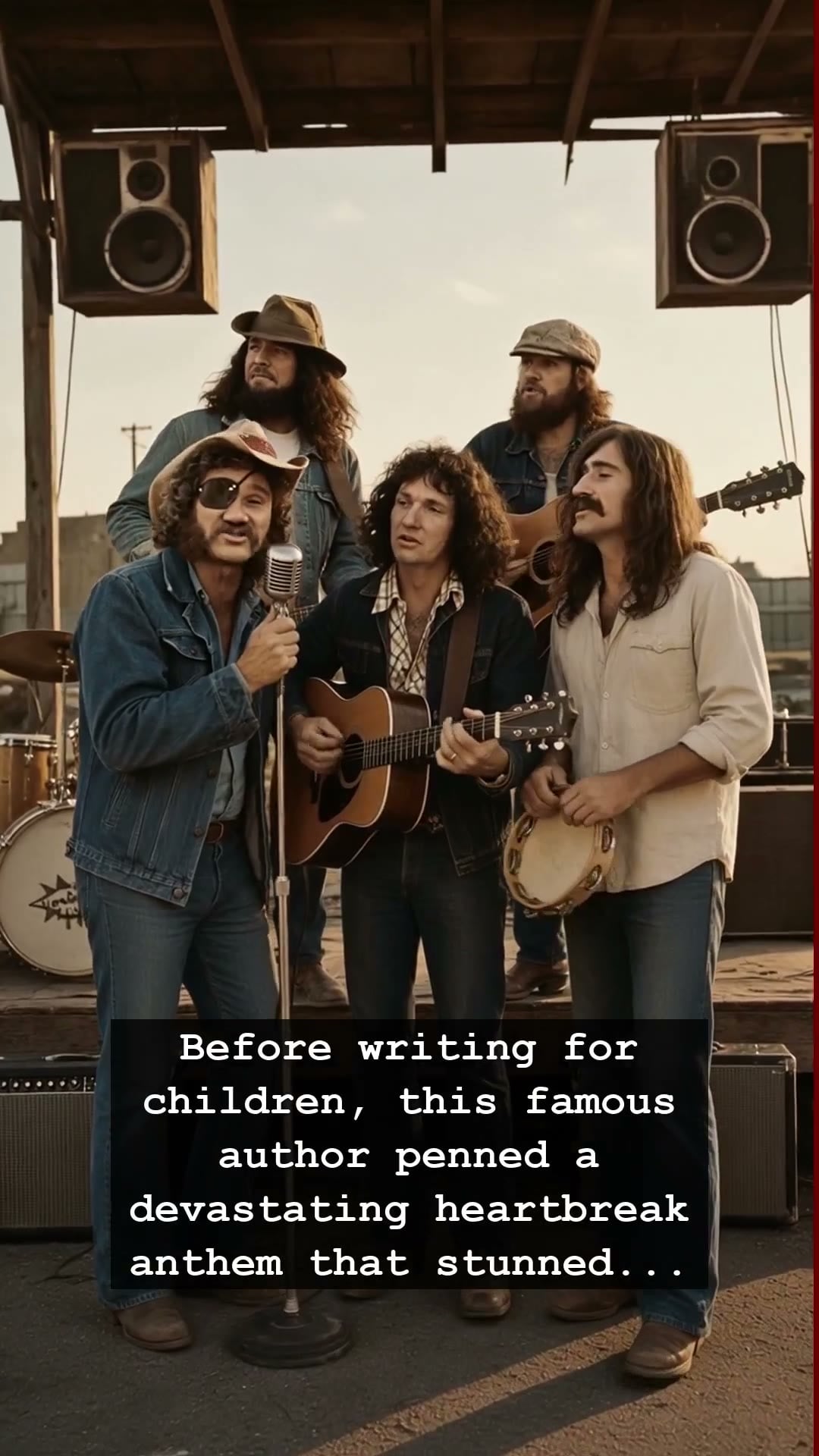
Before the soft pages of beloved children’s books captured the hearts of millions, the legendary Shel Silverstein was wandering through the gritty, smoke-filled world of 1970s rock and roll. While many remember him today for his whimsical poetry and clever illustrations, Silverstein was a prolific songwriter who possessed an uncanny ability to tap into raw, human suffering. Nothing highlights this talent more than the song that would eventually define the band Dr. Hook & the Medicine Show. It was a time when the Jukebox was king, and artists were constantly battling for the validation of the music press, specifically the holy grail of music journalism: the cover of Rolling Stone magazine.
The genesis of this anthem was not born in a boardroom, but through a telephone call that felt like a sharp jab to the chest. Dr. Hook, led by the charismatic and eye-patched Ray Sawyer, was desperate for a hit. They were a band of misfits with a sound that bridged the gap between country-rock and pop, but they lacked a narrative that could truly stop the world in its tracks. Silverstein, acting as their secret weapon and mastermind songwriter, turned that desperation into gold. He crafted the lyrics for The Cover of the Rolling Stone, a satirical yet deeply longing track that mocked the music industry while simultaneously begging for its approval.
Yet, the true emotional weight lay in how Dr. Hook delivered the lines. When they hit the airwaves, listeners weren’t just hearing a song about a magazine; they were hearing the sound of a band that had been chewed up and spat out by the industry, clutching at one last dream of glory. The contrast between the upbeat, banjo-infused rhythm and the desperate, cynical lyrics perfectly captured the turbulent spirit of the mid-70s. It was the era of flared pants, excessive touring, and the crushing pressure to stay relevant in a landscape that changed faster than a spinning vinyl record.
The impact was instantaneous. When the song climbed the charts, it did something truly poetic: it forced the hand of the very publication it was mocking. Seeing the hysteria the song caused, Rolling Stone eventually put Dr. Hook on the cover, albeit in a caricature form. It was a bizarre, meta-moment that solidified the band’s place in rock history. The success was a double-edged sword, bringing the fame they craved but also exposing them to the hollow nature of celebrity that Silverstein had subtly critiqued in his writing all along.
Looking back, the story of Dr. Hook and their masterpiece serves as a reminder of a bygone era. It was a time when songwriters were poets and bands were families built on the road. The song remains a cult classic, not just for its infectious melody, but for the truth it spoke about the hunger for recognition. As we listen today, we aren’t just hearing a track; we are hearing the echo of an era where art, drama, and ambition collided on a record player. Perhaps the next time you put on an old classic, you will hear the ghost of that phone call and the man who turned heartbreak into an enduring legend.