
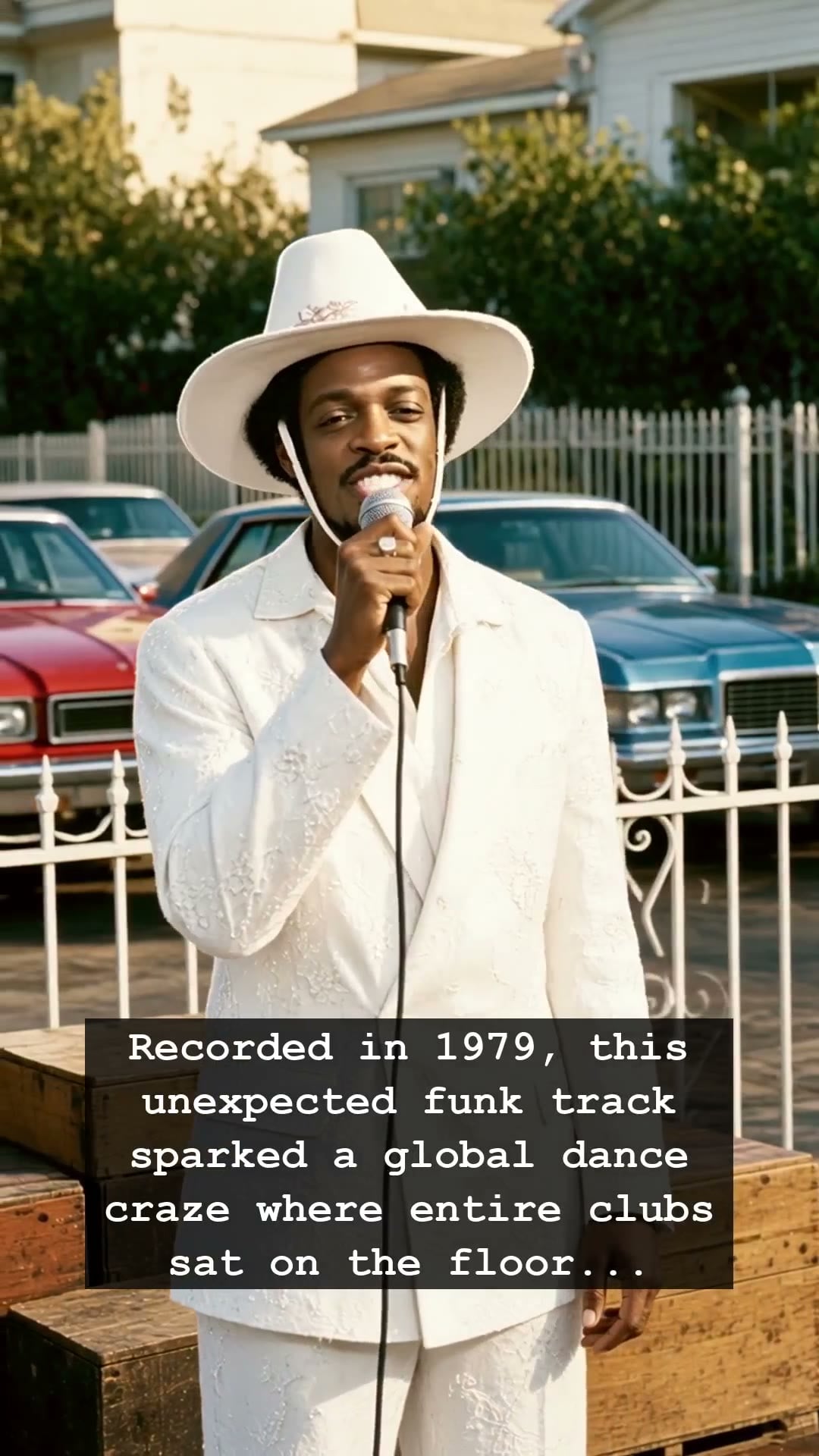
It started not on a grand stage, but in the gritty, creative sweat of a 1979 studio rehearsal. The Gap Band, a trio of brothers from Tulsa, Oklahoma, were deep into the groove, refining a sound that would eventually define the post-disco landscape. As they experimented with heavy bass lines and infectious synthesizer stabs, something spontaneous happened. One of the brothers began miming a rowing motion in time with the music, a whimsical, physical reaction to the heavy funk beat. Little did they know, this lighthearted moment of rehearsal room mischief was about to spark a global dance craze that would see thousands of clubgoers dropping to the floor to row in unison.
That song was the iconic track Oops Up Side Your Head, a masterpiece that captured the raw, communal energy of the late seventies. While the disco era was often associated with polished lights and elite velvet ropes, The Gap Band brought something more tangible and wild to the table. When the track blasted through the speakers at nightclubs, the social hierarchy vanished. Whether you were in a dimly lit underground club in London or a glitter-drenched dance floor in New York, the beat was a command. You sat down, grabbed your imaginary oars, and rowed along with the person next to you. It was a bizarre, beautiful, and unifying phenomenon that bypassed all pretension.
Behind the fun of the rowing craze, The Gap Band represented the relentless grind of a group that had paid their dues. By the time this hit arrived, they had survived the shifts from soul to funk, navigating the pressures of the industry and the ever-changing tides of American music. Their music was a testament to the power of a solid, rhythmic core. While many of their contemporaries relied on gimmicks or massive orchestral arrangements, The Gap Band focused on the pocket—that tight, unbreakable connection between the bass, the drums, and the soul. They brought the spirit of the street and the church into the era of the synthesizer.
Looking back, the rowing dance is a snapshot of a time when the dance floor was a social equalizer. In an age before digital isolation, people wanted to touch, move, and participate in a shared ritual. The Gap Band provided the soundtrack for these moments of pure, unadulterated joy. It wasn’t about looking perfect or following a choreographed routine; it was about the collective heartbeat of the crowd. The song resonated because it felt alive, grounded, and undeniably funky, proving that some of the greatest music moments in history aren’t scripted—they are simply born from the rhythm.
Even decades later, hearing those opening notes sends a jolt of nostalgia through anyone who lived through the era of the Jukebox and the spinning mirror ball. The Gap Band remains a pillar of American funk history, reminding us that music is at its best when it moves us to act. So, next time you hear that familiar beat, don’t just stand there. Find a spot on the floor, grab those oars, and join the thousands who have rowed to the rhythm for over forty years.