
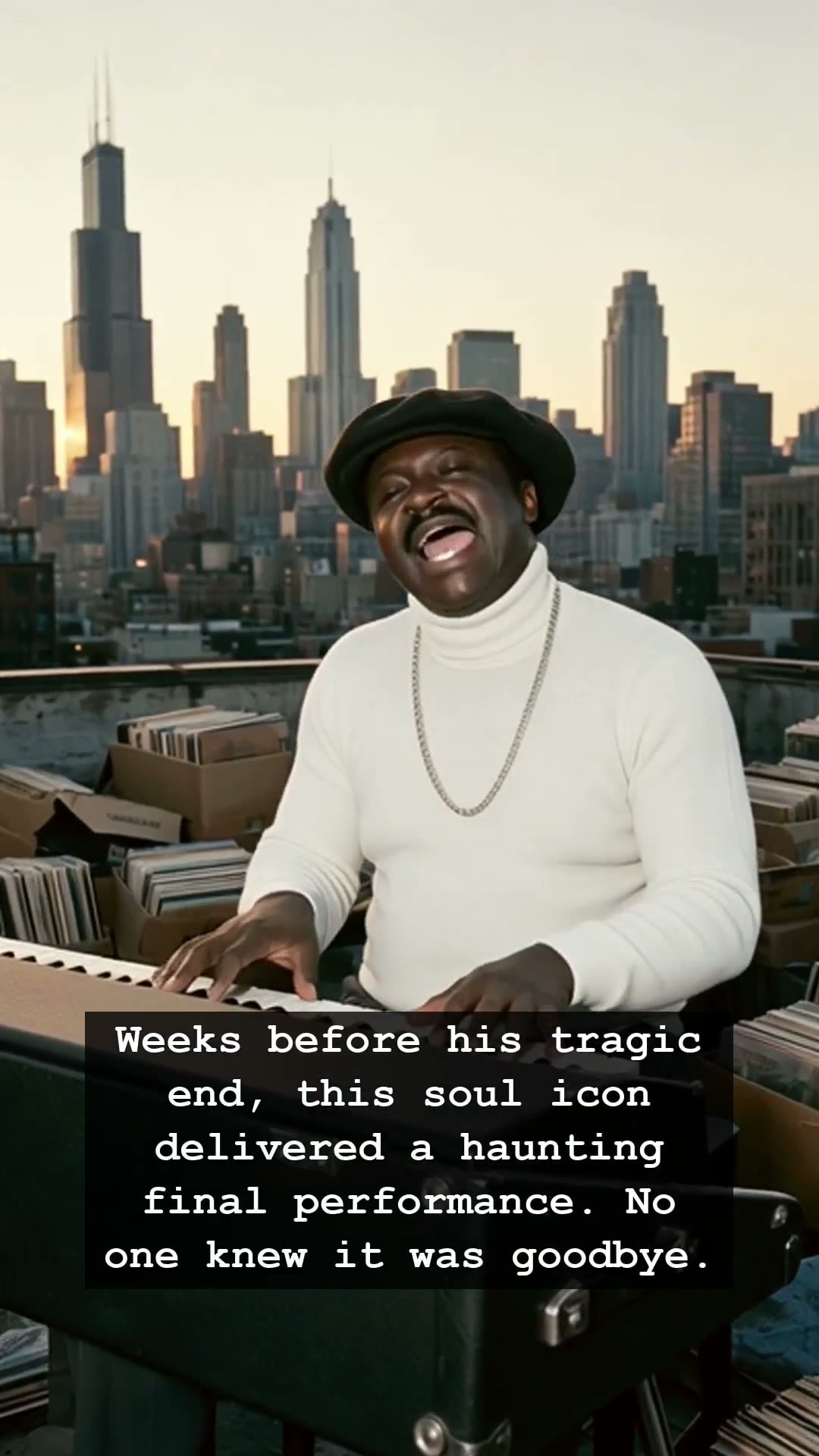
It was a cold January night in 1979, and the air in the room felt heavy with an unspoken sorrow. Donny Hathaway, the velvet-voiced genius behind some of the most soul-stirring melodies of the seventies, stepped toward the microphone. His eyes held a flicker of something far deeper than exhaustion; it was a gaze that seemed to pierce through the curtains of the stage and look into a void no one else could see. Little did the audience realize, as they sipped drinks and swayed to his masterful chords, that they were witnessing a final farewell. The music he channeled that evening was not merely a performance, but a fragile bridge between a brilliant, tormented mind and a world that wasn’t quite ready to let him go.
To understand the gravity of Donny Hathaway, one must look back at the golden era of soul and R&B, a time when the Jukebox was the heartbeat of every urban diner and the radio carried the gospel of emotional liberation. Donny was a prodigy, a man who could turn a simple ballad into a profound spiritual experience. Alongside his legendary duets with Roberta Flack, he defined an age of raw, unapologetic vulnerability. Yet, beneath the accolades and the adoration of a generation, Donny Hathaway struggled silently against the crushing weight of severe clinical depression. His battle was a lonely one, hidden behind the sophisticated arrangements and the warm, resonant timbre of his voice that seemed to hug the listener close.
In those final weeks, the tragedy of his inner world began to bleed into his art. There is a distinct, haunting quality to his late-career recordings that listeners often describe as chilling. It was as if Donny Hathaway was pouring every ounce of his remaining strength into the keys, crafting a legacy that was meant to outlive his physical presence. The industry was changing, transitioning from the soulful warmth of the early seventies toward the slick, high-gloss production of the looming disco era, yet Donny remained tethered to the truth of the human condition. His artistry was never about chasing trends; it was about the exorcism of pain through melody.
When he departed, the music world felt a seismic shift. The loss of such a colossal talent left a hollow silence that even the vibrant pulses of the eighties could not fully fill. We look back at his final stage moments now through the lens of history, seeing the tragedy we once missed. Every note feels heavier, every chord progression more deliberate. He was a man who gave us the soundtrack to our most intimate moments, only to be overtaken by the darkness he fought so valiantly to keep at bay.
Today, Donny Hathaway remains a titan of the soul genre, an artist whose influence ripples through every modern singer who dares to wear their heart on their sleeve. His story is a poignant reminder that the greatest art often comes from the deepest struggle. As the needle drops on a dusty vinyl copy of his records, we are transported back to that moment, hearing the whispers of a genius who vanished before his time. The stage lights may have faded for him, but the resonance of his soul still echoes in the rafters of our collective memory.