
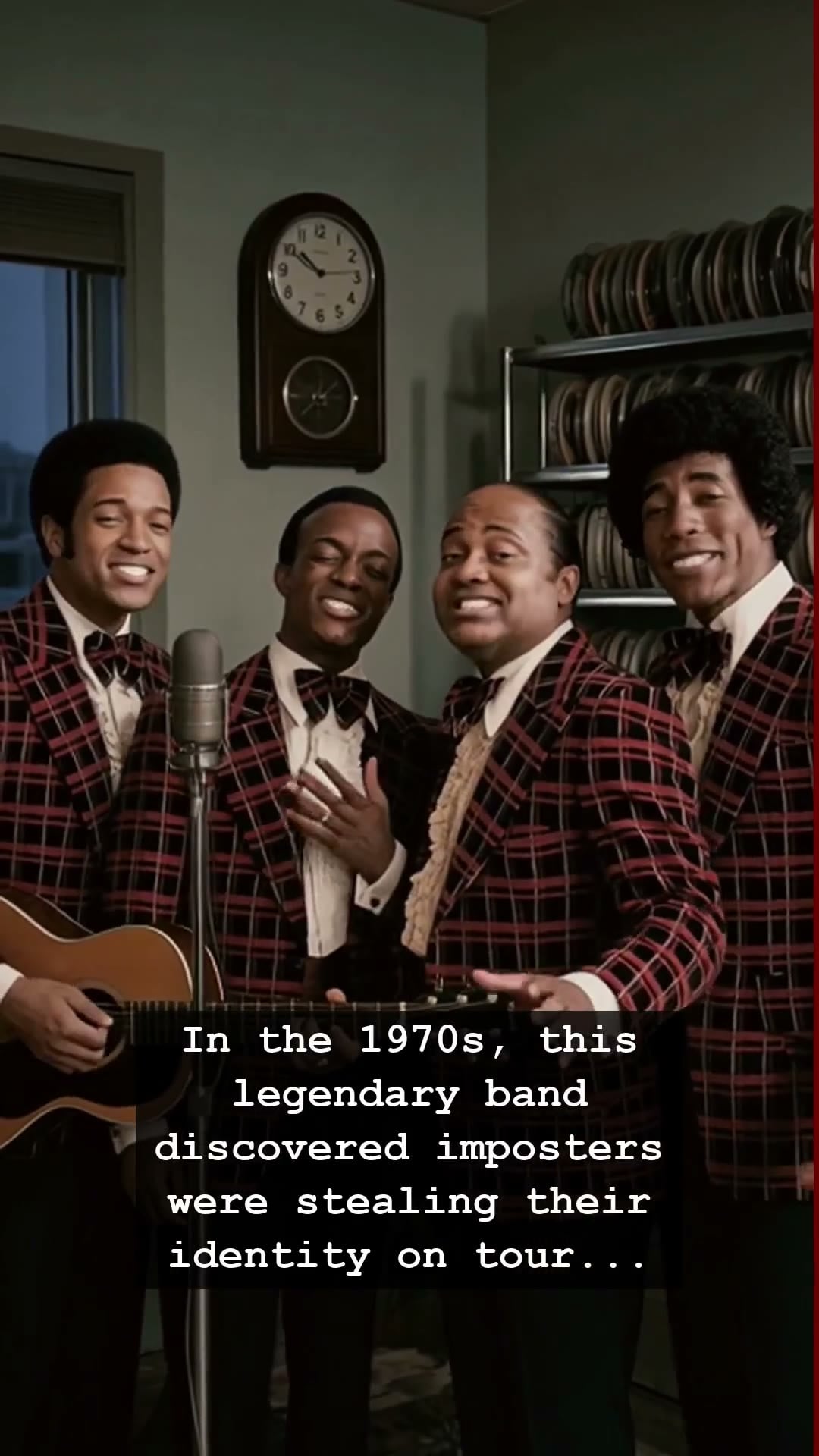
Imagine traveling across the country, expecting to hear the smooth, soulful harmonies that defined a generation, only to discover the faces on stage aren’t the real icons you paid to see. This wasn’t a nightmare; it was the reality for the legendary vocal group The Drifters. By the early 1970s, as the golden age of doo-wop and R&B transitioned into the glitz of the disco era, the members of The Drifters found themselves in a bizarre, high-stakes battle for their very identity. Their name, a moniker synonymous with timeless hits like Under the Boardwalk, was being hijacked by groups of imposters performing in dive bars and concert halls across America.
For decades, The Drifters served as the backbone of Atlantic Records, defining the sound of the 1950s and 60s. But the business of music in that era was a cutthroat game. Because the band had seen a revolving door of members over the years, the brand itself became more valuable than the individuals behind the microphones. When the original performers tried to reclaim their legacy, they realized that the law was lagging behind the rapid commercialization of the industry. It was a time when the Jukebox was losing its dominance to the radio, and the shadowy figures behind ‘clone bands’ were exploiting the lack of trademark protection to cash in on a sound they didn’t create.
This legal war wasn’t just about money; it was a desperate fight for the soul of the music. Fans who grew up listening to The Drifters on grainy transistor radios were being deceived, and the true artists—those who poured their hearts into recording sessions—were being pushed into the shadows. The drama unfolded like a courtroom thriller, revealing the ugly underbelly of the music industry. It highlights a recurring tragedy in music history where the creators are discarded while corporate interests trade on their names, turning legends into mere products for public consumption.
The emotional toll on the real members of The Drifters was immense. Imagine the frustration of walking into a venue, hearing your own signature songs, and seeing strangers lip-syncing to your recorded voice. This conflict serves as a sobering reminder of the fragility of fame during that golden era. While MTV and the flashy aesthetics of the late 70s were waiting around the corner to change the industry forever, The Drifters were fighting a localized battle to ensure their contribution to American music wasn’t erased by fraudulent performers.
Today, we look back at this saga with a mix of fascination and sadness. It reminds us that behind the polished records we still spin on our turntables, there was often a chaotic, messy reality that threatened to consume the artists themselves. The legacy of The Drifters remains intact, not just because of the hits, but because of their resilience in the face of absolute betrayal. Their story endures, proving that while a name can be stolen, the authentic magic of a true musical pioneer can never be replaced.