
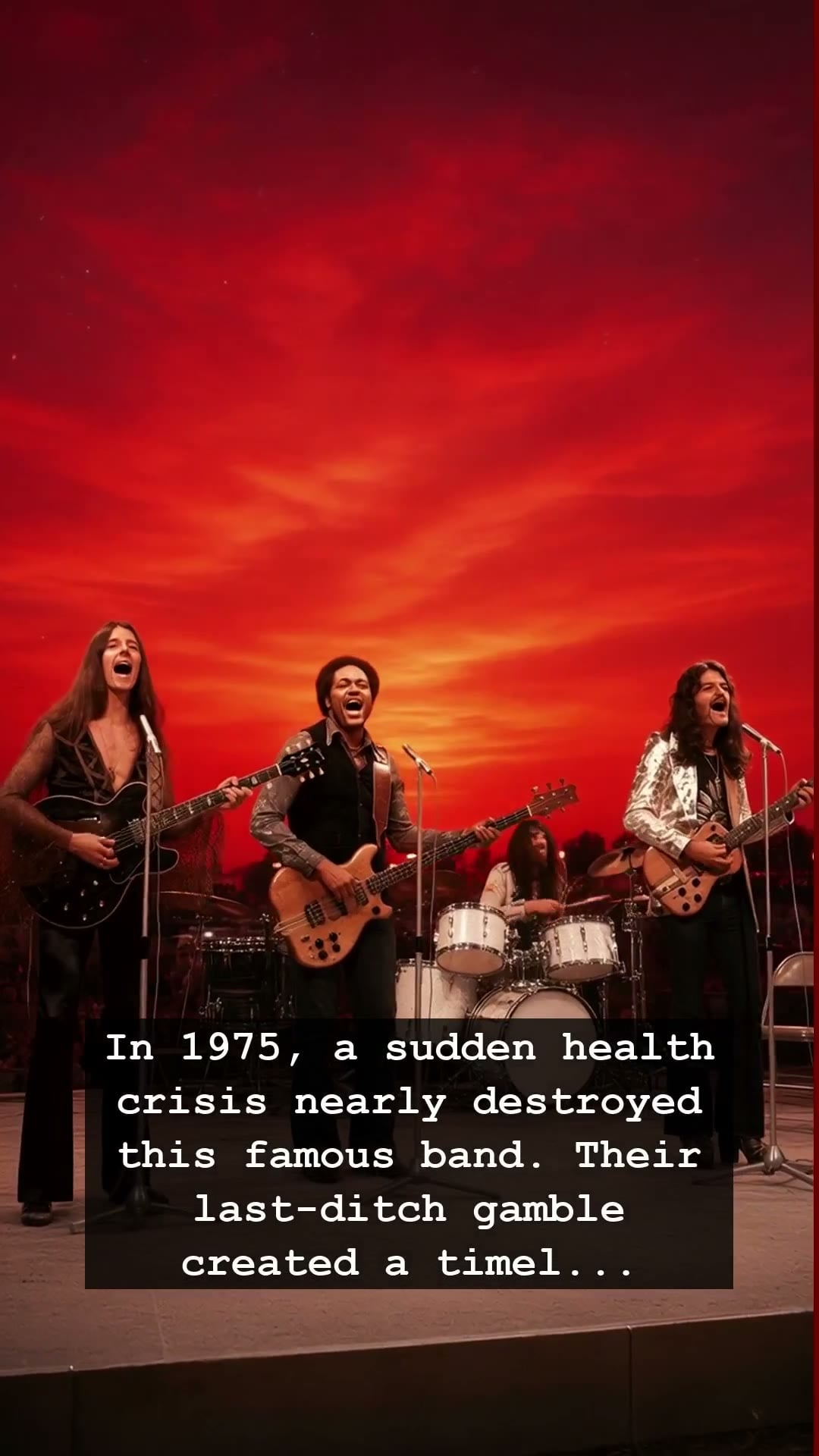
The year was 1975, and the world of American rock music felt like it was shifting beneath our feet. For The Doobie Brothers, the high-octane life of touring had reached a breaking point. Tom Johnston, the band’s signature frontman and the grit behind their early hits, was physically decimated by the relentless pace of life on the road. As he collapsed from a severe ulcer, the band faced an existential crossroads. To the outside world, The Doobie Brothers were a juggernaut, but behind the curtains, the engine was stalling, the creative spark was flickering, and the very survival of the group hung in the balance. It was a classic tale of the dark side of fame that defined that volatile era of rock and roll.
Faced with the prospect of total collapse, the remaining members had to make a desperate, last-ditch gamble to keep the music alive. They reached out to Michael McDonald, a musician whose soul-drenched voice and sophisticated piano chords were a sharp departure from the band’s hard-driving, biker-rock roots. This was not a change of direction taken lightly; it was a gamble born from pure necessity. In the dimly lit recording studios of the mid-seventies, this transition felt risky, almost alien to the fans who had grown accustomed to the band’s raw, guitar-heavy sound. Yet, in that uncertainty, magic was quietly brewing.
That gamble culminated in the birth of an anthem that would redefine their career. The infusion of McDonald’s deep, velvety soul into the band’s DNA created a timeless sound that felt as fresh as the breeze blowing through a convertible on a summer evening. The song became more than just a hit; it was a masterclass in blue-eyed soul that proved that a band could evolve through adversity rather than succumb to it. This new iteration of The Doobie Brothers captured the essence of the transition from the rock-heavy early seventies to the more polished, sophisticated grooves that would soon dominate the airwaves as the decade closed.
Looking back, the story of The Doobie Brothers in 1975 is a testament to the unpredictable nature of the music industry. It serves as a reminder that behind every smooth, perfectly produced track we hear on our vintage record players or memories of late-night drives, there was often a moment of profound vulnerability. While their peers were chasing trends at Studio 54 or lost in the haze of stadium tours, The Doobie Brothers were busy reinventing themselves, proving that even at the edge of obscurity, a band could find a second life.
Today, the legacy of that era remains firmly etched in our collective consciousness. Whether you remember hearing them on the radio while adjusting your Walkman or you are discovering their smooth sound for the first time, the resilience of the group is undeniable. The Doobie Brothers taught us that change is rarely comfortable, but it is often the only path toward creating something that truly lasts. Their survival story is a classic piece of American rock history, echoing through the decades and still sounding as vibrant and soul-stirring as the day it was recorded.