
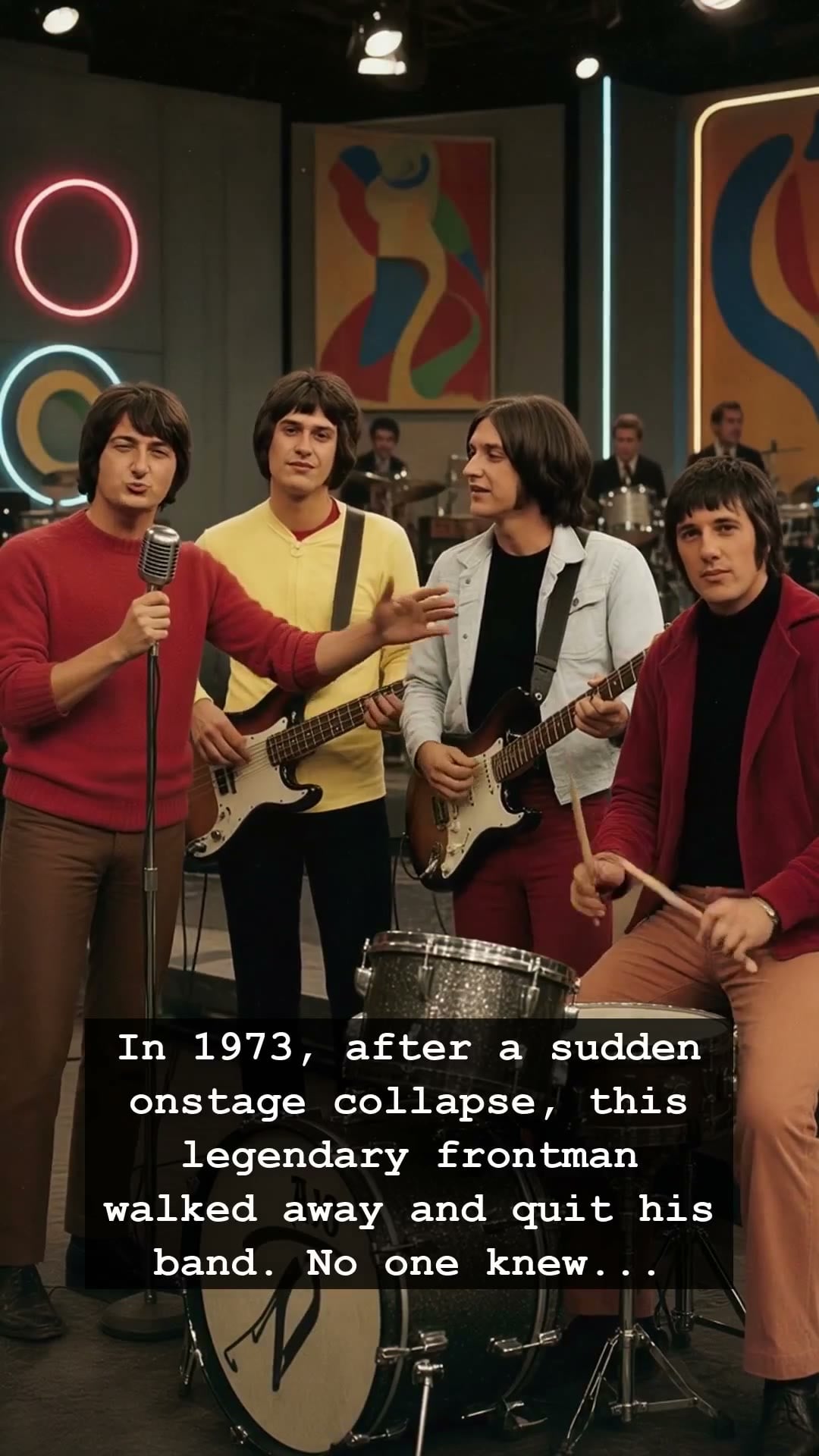
The year was 1973. The air in the White City Stadium was thick with the scent of stale beer, anticipation, and the electric hum of Marshall amplifiers. British rock was supposed to be invincible, a golden age of vinyl records and stadium bravado. But on that humid July night, the dream briefly shattered. Ray Davies, the visionary genius behind The Kinks, walked off stage, collapsed, and made a decision that sent tremors through the entire industry: he quit the band he had built from the ground up. To the thousands in attendance, it felt like the end of an era. The man who had articulated the soul of English life with tracks like Waterloo Sunset was suddenly broken, leaving the future of British rock hanging in a fragile, uncertain balance.
Looking back, this was more than just a typical rock star meltdown; it was a profound, chilling breakdown fueled by years of relentless touring, creative exhaustion, and the suffocating pressures of the music industry. The Kinks had spent the decade fighting tooth and nail against the shifting tides of psychedelia and the looming shadow of hard rock, often finding themselves trapped in the friction between their commercial aspirations and their artistic integrity. For Ray Davies, the stage had become less of a sanctuary and more of a gilded cage. He was a songwriter’s songwriter, a man who saw the world in vignettes of working-class reality, yet he was expected to perform as a high-octane rock icon for audiences that were increasingly hungry for carnage rather than melody.
His collapse on stage was the physical manifestation of a psychological tipping point. Behind the scenes, the band was plagued by internal tensions, legendary sibling rivalries, and the kind of chaotic lifestyle that defined the early seventies. The Kinks were not just playing songs; they were enduring a grueling cycle of life on the road that took no prisoners. When Ray walked away that night, the silence that followed was deafening. It forced fans and critics alike to reckon with the darker reality of their idols—the toll that global fame took on those who provided the soundtrack to a generation. It was a moment of vulnerability that stripped away the glamour, revealing the raw, beating heart of a man pushed to the absolute edge of his sanity.
Though he would eventually return to music, the 1973 incident remains one of the most poignant cautionary tales in rock history. It serves as a reminder that behind the legendary anthems and the iconic riffs lay real human struggle. The Kinks were never just another band; they were the architects of a unique, melancholic British sound that refused to die. Every time we drop the needle on a vintage Kinks record today, we are listening to the echoes of that struggle. It is a testament to the resilience of music that despite the internal fractures, the ego clashes, and the public breakdowns, the art endured, leaving us with a legacy that continues to resonate with every new generation of listeners seeking authenticity in an increasingly synthetic world.