
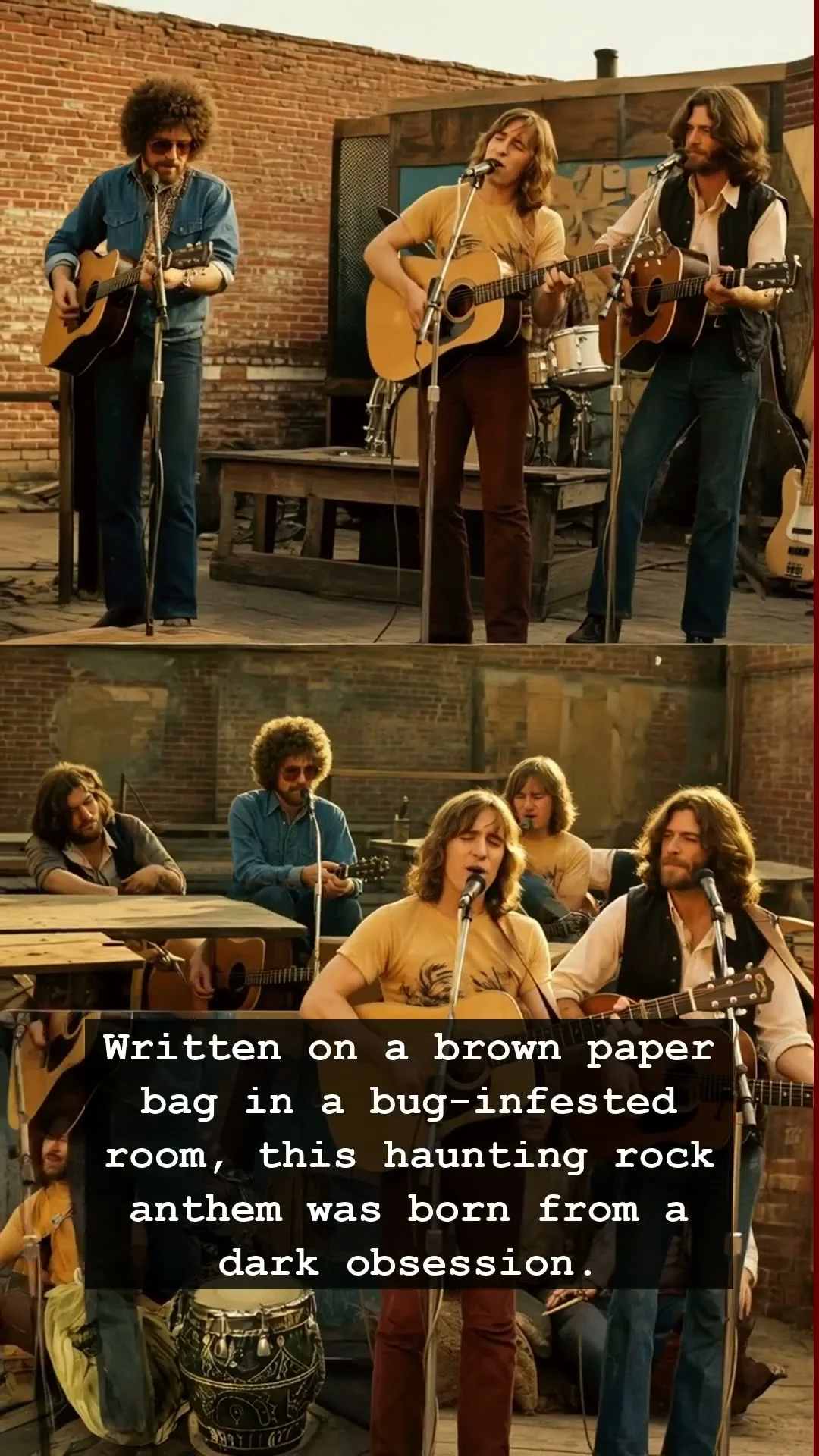
It began on a discarded brown paper bag in a dim, bug-infested motel room. While the world outside was transitioning from the velvet haze of the sixties into the polished excess of the seventies, The Eagles were struggling to capture a lightning strike of pure, unadulterated cynicism. They were not looking for a hit; they were looking for a way to describe the suffocating trap of the American Dream. That frantic scribble on a scrap of paper eventually became the haunting foundation for one of the most recognizable rock anthems in history: Hotel California.
To understand the genesis of The Eagles during this era, you have to look past the sunshine of the California coast. By the time the song arrived, the golden age of Woodstock had curdled into something colder and more transactional. The band was operating in an industry fueled by excess, where the lines between art and commerce were blurring into a blur of cocaine, studio ego, and internal friction. Don Henley and Glenn Frey, the primary architects of the band, weren’t just writing a song about a hotel; they were writing a manifesto about the industry itself, a place where you could check out, but you could never truly leave.
There was a palpable darkness behind their creative process. The Eagles were known for their meticulous, sometimes agonizing, attention to detail—a process that often pushed the members to their psychological limits. Living in the shadow of the Sunset Strip, they witnessed the decay of the dream firsthand. The imagery of the song, from the mirrors on the ceiling to the beast they couldn’t kill, reflected the band’s own battles with their rising fame. It was a gritty, visceral response to the isolation of being on top of the world while feeling entirely hollow inside.
When the song finally hit the airwaves in 1976, it changed everything. It defined a generation’s fatigue. For the teenagers huddled around their bedroom Walkmans and the adults pouring a stiff drink at the end of a long day, Hotel California wasn’t just music; it was a mirror. It captured the exact moment the seventies began to consume themselves. The soaring, intertwined guitar solos of Don Felder and Joe Walsh became the soundtrack to a thousand late-night drives, serving as a reminder that the price of rock stardom was often a piece of one’s own soul.
Decades later, the song remains a haunting pillar of rock history. Its resonance doesn’t come from the production value alone, but from the raw, uncomfortable truth it unearthed back in that dirty motel room. The Eagles created a masterpiece that refused to age, precisely because it was born from a place of such authentic, haunting turmoil. As you listen to those familiar opening notes today, you aren’t just hearing a classic hit; you are stepping into a story that refuses to be forgotten. Are you still searching for the exit, or have you finally accepted that you never really left?