
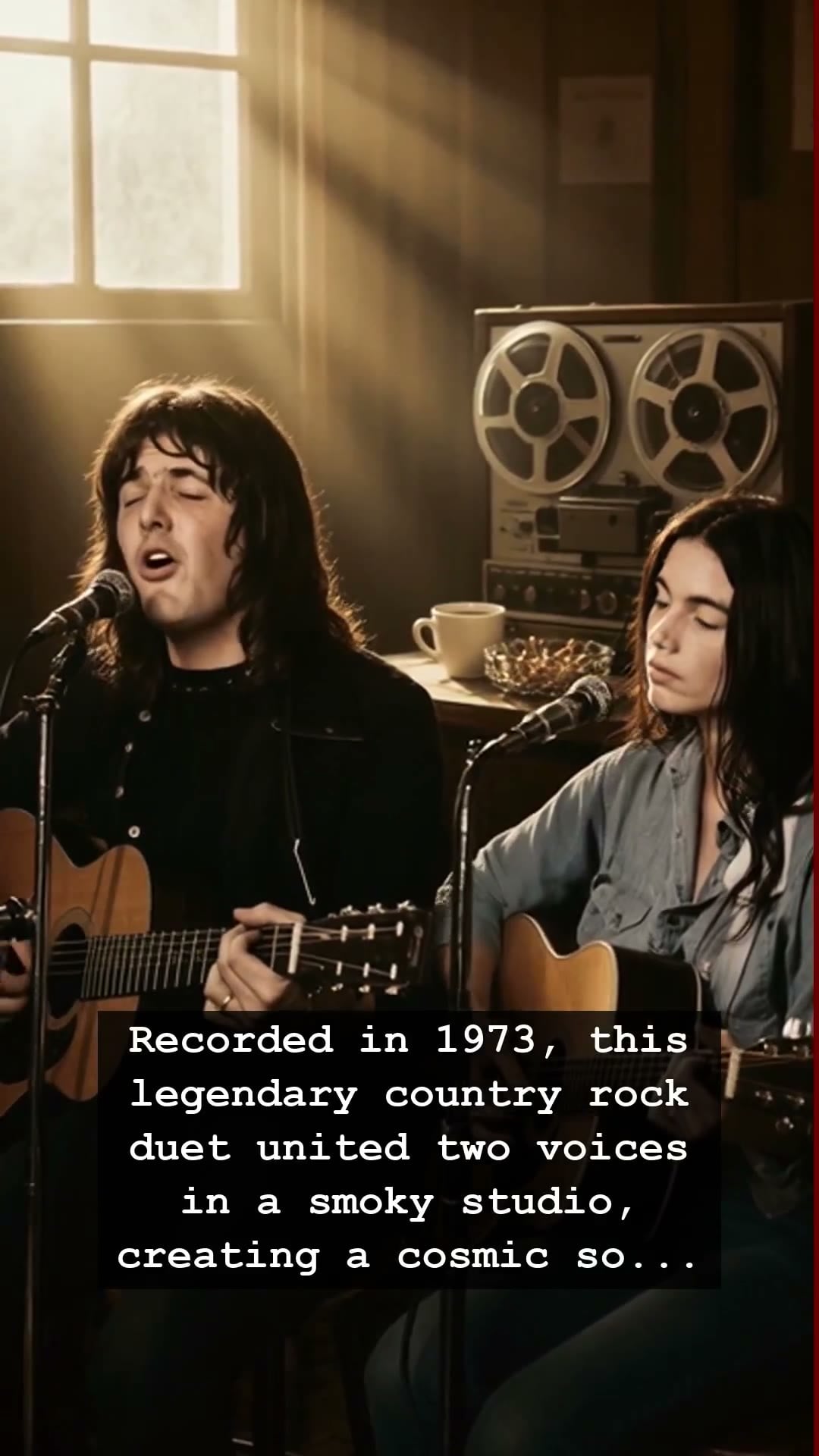
It was 1973, and the air inside the recording studio was thick with cigarette smoke, spilled whiskey, and the heavy, electric tension of two souls meeting at the exact right moment. Gram Parsons, the self-destructive architect of cosmic American music, stood before the microphone alongside a young, ethereal Emmylou Harris. Neither of them could have known that the haunting harmonies they were about to capture would become a sacred text for the burgeoning country-rock movement. To hear them sing was to witness a collision of worlds—the gritty, mournful reality of the honky-tonk and the expansive, dreamlike reach of a generation searching for something spiritual in the debris of the late sixties.
Gram Parsons was a man defined by his contradictions. An heir to a fortune he didn’t care for, he was a bridge between the rock stars of the Sunset Strip and the traditionalists of Nashville. He saw no division between the soul of Ray Charles and the twang of Buck Owens. When he plucked Emmylou Harris from obscurity, he wasn’t just finding a duet partner; he was searching for a musical mirror. Their vocal blend was uncanny, a perfect synthesis that felt like it had been vibrating in the ether long before they stepped into the booth. It was raw, unadorned, and deeply intimate—the kind of sound that made listeners feel like they were intruding on a private conversation between lovers who were running out of time.
Behind the scenes, the story was far less romantic and infinitely more tragic. The studio sessions were fueled by the dark excesses that eventually claimed so many icons of that era. Parsons was living life at a breakneck speed, blurring the lines between genius and ruin. While they were crafting what many consider the definitive country-rock sound, the shadow of substance abuse loomed over every take. It was a time when the myth of the tortured artist was being solidified in the golden glow of the California sun, and Parsons was the poster child for that reckless, beautiful decay. Emmylou Harris stood as the grounded witness, the one who possessed the grace to carry the weight of his legacy long after he was gone.
Today, we look back at those recordings through the lens of pure nostalgia. We think of the scratchy vinyl spinning on a worn-out turntable, the smell of dust, and the feeling of a world that seemed more dangerous yet more authentic than the one we inhabit now. Their music remains a haunting reminder of the fragility of talent. It is a testament to how two voices, locked in a fleeting moment of synergy, can alter the trajectory of a genre forever. The legacy of Gram Parsons and Emmylou Harris is not found in the charts or the stadium tours of their peers, but in the quiet, lingering heartache of a melody that refuses to fade.
Even now, decades after the fires of the seventies have cooled, the partnership feels startlingly vital. Whenever that harmony hits, the room seems to grow colder, and the ghosts of the past feel a little more present. If you listen closely, you can still hear the crackle of that studio atmosphere and the desperate, beautiful longing for a truth that perhaps only they could see. It is a story of music that transcends time, a cosmic echo that reminds us why we fell in love with these voices in the first place.