
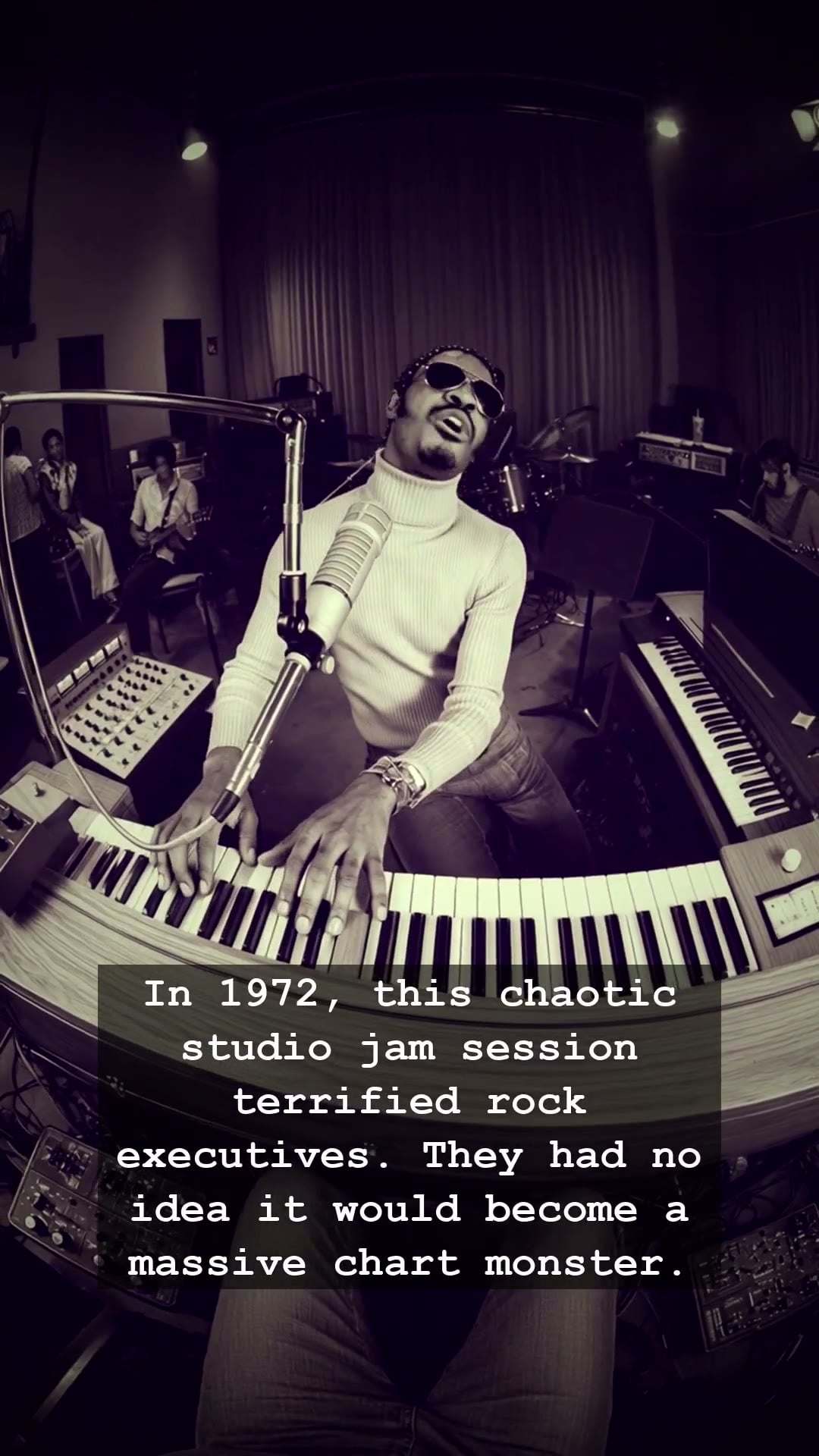
The year was 1972, and the air in the recording studio was thick with the scent of cheap cigarettes and the frantic energy of musical invention. Executives from the record label hovered in the doorway, their faces etched with deep concern as they listened to what they assumed was a disastrous waste of tape. To their ears, it was nothing more than a chaotic, disjointed mess of synthesizers and heavy rhythm. Little did they know, they were witnessing the birth of a revolutionary track that would soon dominate the airwaves and shatter every expectation of what an instrumental could achieve. This was the raw, unpolished genesis of the Edgar Winter Group and their explosive, genre-bending hit, Frankenstein.
Edgar Winter was never one to play by the rules. While the early seventies were dominated by the folk-rock sensibilities of the late sixties and the emerging arena rock powerhouses, Winter was tinkering with the frontiers of the synthesizer. He viewed the ARP 2600 not just as a keyboard, but as a living, breathing creature. During that infamous jam session, the band was experimenting with splicing different sections of tape together, a technique that felt more like surgical procedure than traditional music production. Edgar Winter famously cut and taped the segments until he achieved a frantic, rhythmic Frankenstein that felt stitched together from the best parts of rock, jazz, and pure electronic madness.
When the track was finally unleashed, it defied everything the industry thought they understood about radio viability. In an era before the Walkman revolutionized how we consumed music on the go, and long before the visual spectacle of MTV would define the eighties, Frankenstein required the listener to pay attention. It was a high-octane, instrumental juggernaut that forced its way onto the Billboard charts, eventually hitting number one in 1973. It proved that rock music didn’t need a lyricist or a frontman singing love songs to capture the imagination of millions; it just needed a man with a vision and the guts to let the chaos take the wheel.
Looking back, the success of Edgar Winter during this period remains a testament to the wild, unrestrained creativity of the seventies. It was a time when bands could lock themselves in a room for days, pushing the boundaries of sound until something truly alien emerged. The song serves as a cultural anchor, reminiscent of an era where Jukeboxes were still the heart of the local hangout and music was something you physically held in your hands on vinyl. The tension between the nervous label executives and the band’s creative audacity perfectly captures the high-stakes gamble of that musical generation.
Today, the legacy of Frankenstein endures as a masterpiece of sonic engineering and artistic bravery. It reminds us of a time when icons were willing to risk it all on a hunch, creating sounds that didn’t fit into any neat box. Edgar Winter didn’t just record a song; he bottled the electricity of a transformative era, forever changing the landscape of rock. As the needle drops on that classic record, we aren’t just hearing notes—we are hearing the sound of a rock and roll outlaw rewriting the rules of the game.