
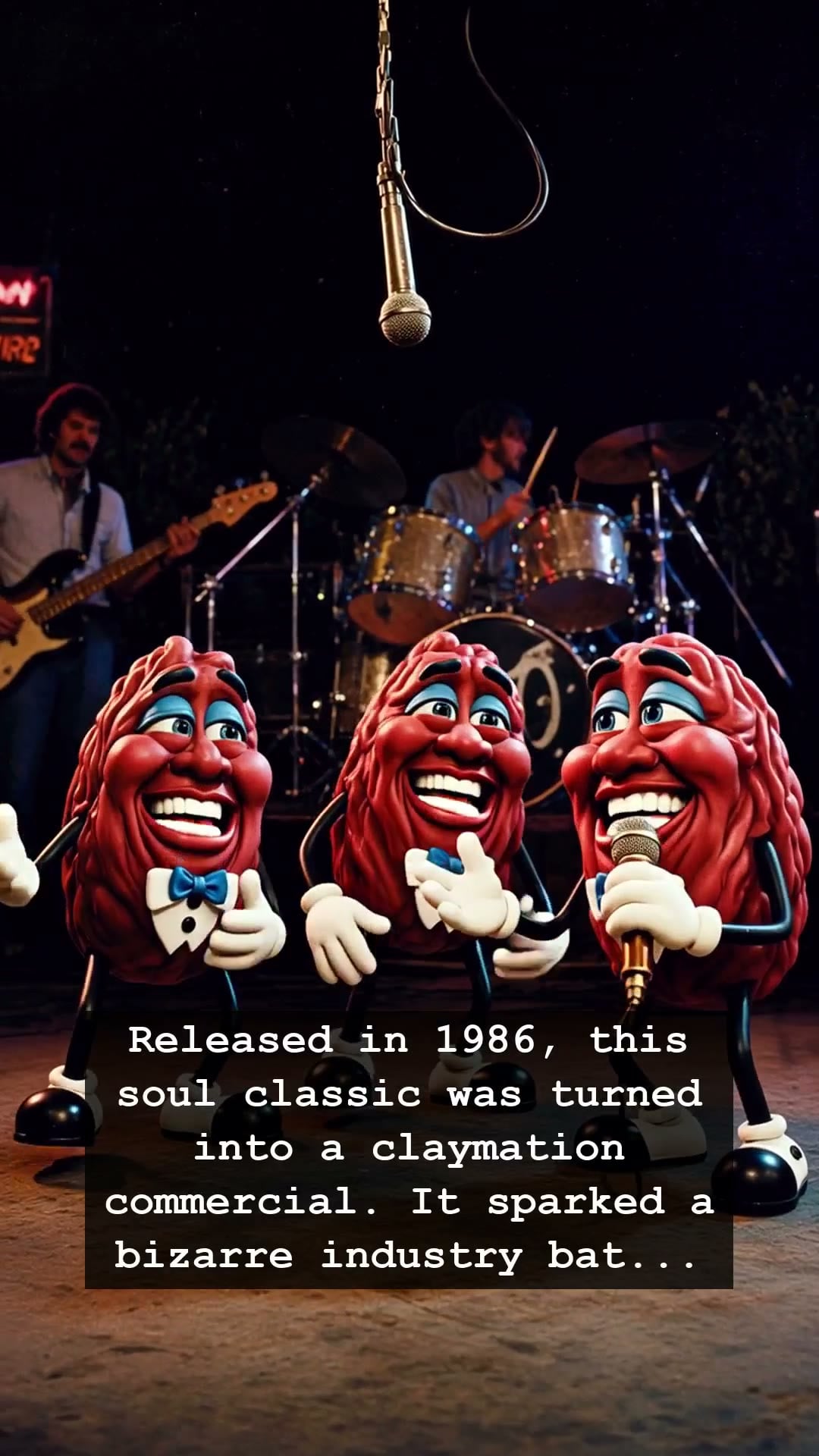
In the mid-eighties, television was a landscape dominated by the neon glow of MTV and the rigid formatting of corporate marketing. But in 1986, something surreal happened. A legendary soul classic, specifically the timeless Marvin Gaye hit I Heard It Through the Grapevine, was plucked from the pantheon of Motown greatness and repurposed for a television commercial. The protagonists? A band of singing, dancing, claymation raisins. It sounds like a fever dream, yet it became one of the most significant cultural touchstones of the decade, forever altering how we associate iconic music with mass-market merchandise.
At the time, the California Raisins were not just a quirky ad gimmick; they were a cultural phenomenon. Created by Will Vinton, the stop-motion characters brought a sense of tactile wonder to the television screen that modern computer animation still struggles to replicate. When those clay figures started snapping their fingers to the rhythm of that soulful, gritty bassline, the public went wild. The commercial didn’t just sell fruit; it launched a massive merchandise empire. Suddenly, lunchboxes, t-shirts, and plush toys featuring these wrinkly crooners were flying off the shelves, proving that a decades-old track could find a completely new life in the era of the Walkman.
However, beneath the playful surface of the California Raisins lay a brewing storm. As the commercial’s popularity soared, the music industry faced an identity crisis. Record labels and artists began to realize that their intellectual property could be transformed into corporate mascots, leading to bitter backstage disputes and legal tug-of-wars. The success of the California Raisins sparked an industry-wide debate about artistic integrity versus commercial viability. Musicians and executives found themselves at odds over the licensing of classic songs, questioning whether a soul anthem’s legacy was being diluted by being linked to a box of dried fruit.
This clash was a microcosm of the changing landscape of the late eighties. The industry was moving away from the organic, gritty authenticity of the sixties and seventies toward a more calculated, consumer-driven model. The California Raisins represented this shift perfectly: they were highly profitable, technologically innovative, and undeniably catchy, yet they left many purists feeling uneasy. It was a bizarre, high-stakes battle that no one saw coming, pitting the raw emotion of soul legends against the mechanical precision of professional advertising agencies.
Today, when we hear that iconic Motown beat, many of us still find ourselves picturing those tiny, singing raisins. Their story remains a vivid chapter in music history, reminding us how the lines between high art and pop culture commodities are constantly shifting. It serves as a strange, nostalgic reminder of a time when a simple claymation ad could disrupt the status quo. Even decades later, the California Raisins stand as a testament to the bizarre, unpredictable, and endlessly fascinating intersections of classic music and the evolving machinery of fame. As we look back on the era of synthetic pop and plastic dreams, it is the songs—and the peculiar ways we remember them—that endure.