
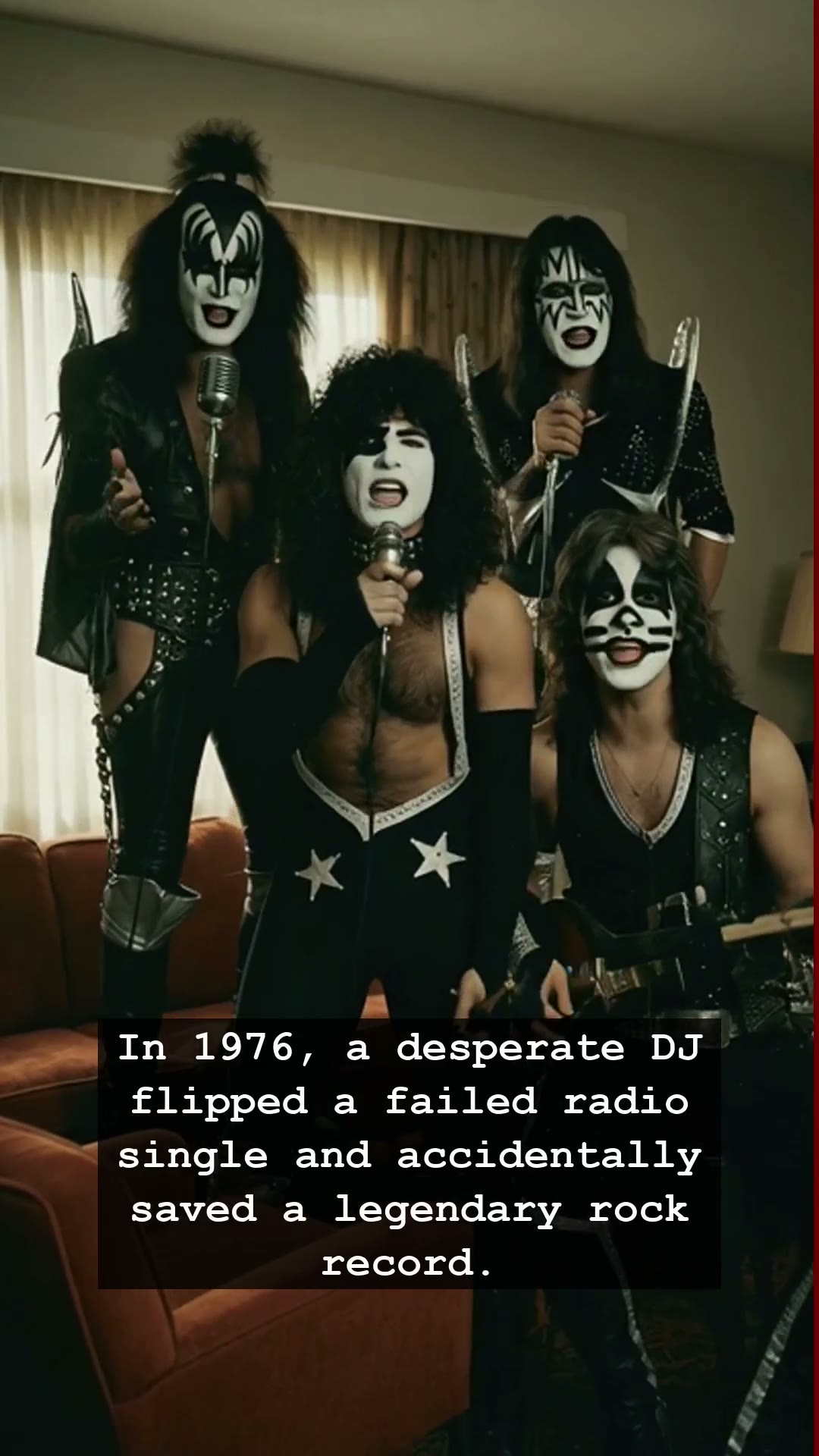
The year was 1976, and the gods of rock were on the verge of fading into obscurity. KISS, the face-painted quartet known for their pyrotechnics and stadium-shaking anthems, was staring down a financial cliff. Their album Destroyer, produced by the legendary Bob Ezrin, was initially met with a lukewarm reception. The band had poured their soul into the record, but the initial singles failed to ignite the airwaves. They were desperate, and the pressure to deliver a hit was crushing. It seemed as if the greasepaint and platform boots were destined to become mere footnotes in the rapidly evolving landscape of mid-seventies arena rock.
Then came a stroke of fate, fueled by a tired radio DJ in the Midwest. While the band was busy preparing for another high-octane performance, a local radio personality grew bored with the planned A-side. Seeking something different to fill the airwaves, he flipped the record over and played the B-side: a somber, piano-driven ballad titled Beth. It was a stark departure from the typical KISS brand of high-energy chaos. The song was a lonely, weeping confession of a musician caught between the demands of the stage and the woman waiting at home. It was raw, vulnerable, and completely unexpected.
The response was immediate and overwhelming. Listeners flooded the radio station with requests, demanding to hear that heartbreaking melody again. The ballad, featuring drummer Peter Criss, humanized the larger-than-life superheroes of rock. It captured a sense of longing that resonated with anyone who had ever felt the sting of a lonely night. This accidental airplay transformed the trajectory of the album, breathing new life into the band’s career just as they stood on the precipice of ruin. The B-side, originally discarded, became the highest-charting single of their entire career.
Looking back, the success of Beth feels like a pivotal moment in the history of 1970s rock music. It bridged the gap between the theatrical spectacle of the era and the genuine, emotional storytelling that audiences craved. While KISS would go on to fill sold-out arenas and dominate the charts for decades, this specific moment remains a testament to the power of the unexpected. It reminds us that even when the machinery of the music industry seems to be failing, a single song can change everything. The grit and the drama of that era, from the neon glare of the studio to the quiet desperation of the radio booth, defined the golden age of American rock.
Today, listening to the stripped-back piano chords of Beth, one can still feel the weight of that historical gamble. It serves as a beautiful, nostalgic reminder of a time when radio DJs were the ultimate tastemakers and every B-side held the potential for a miracle. Whether you were a die-hard member of the KISS Army or just a fan of timeless ballads, the story of this song remains a golden thread in the tapestry of American music history. It proves that behind every mask, there is a human heart, and sometimes, it just takes one desperate turn to reveal it to the world.