
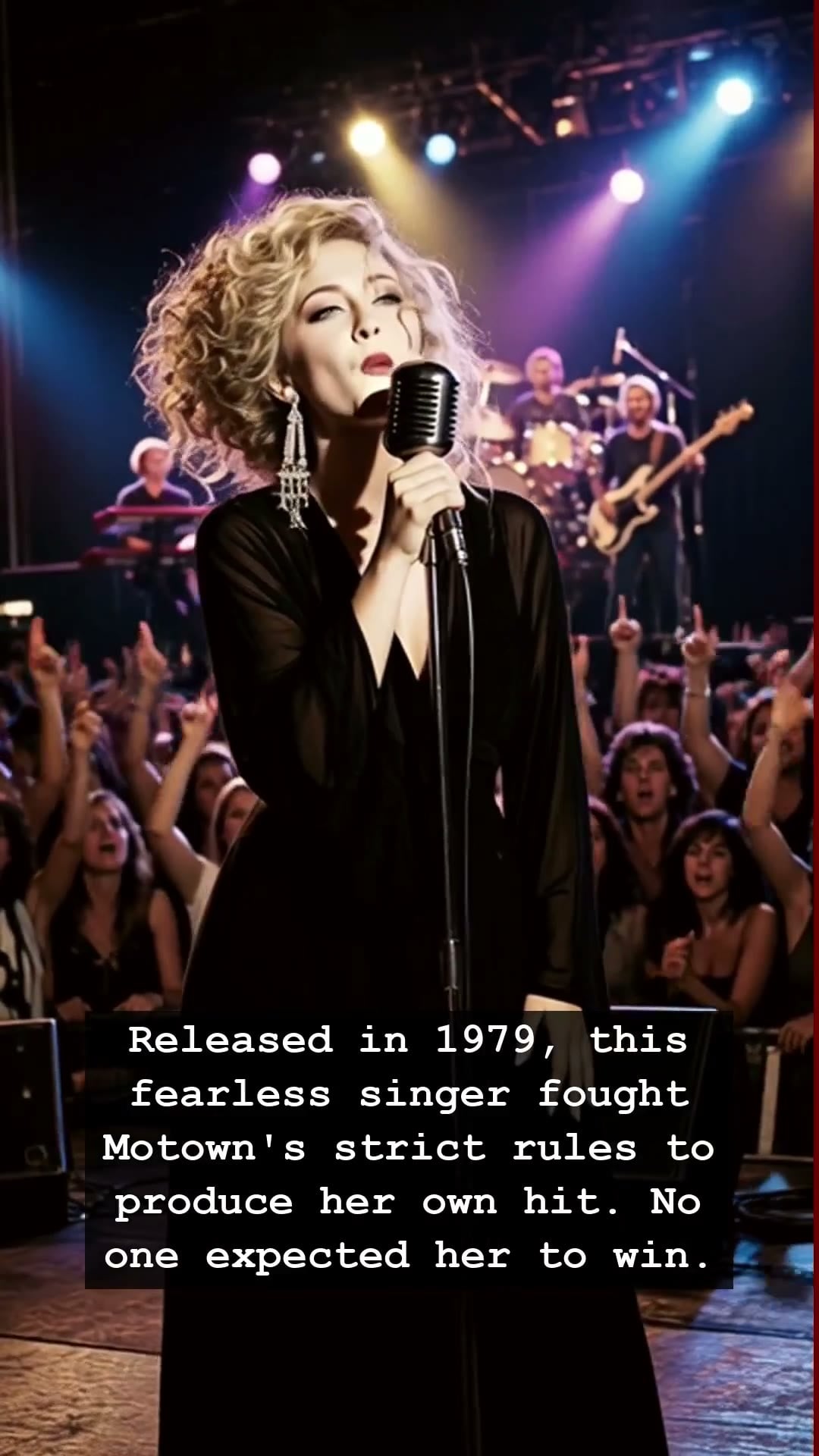
In 1979, the polished, controlled corridors of Motown Records were shaken to their foundations by a voice that defied every expectation of the era. Teena Marie, a fiery talent with a soul that transcended labels, walked into a world dominated by strict production rules and carefully curated images. While Motown was busy polishing the stars of the disco generation, Teena Marie was preparing for a battle that would risk her entire career. She was a fearless visionary who refused to be merely a performer; she demanded to be the architect of her own sound, sparking a behind-the-scenes drama that would change the trajectory of rhythm and blues forever.
The industry back then was a rigid machine, often treating artists as assets rather than creative partners. When Teena Marie decided to take complete control of the mixing console, she wasn’t just adjusting faders; she was shattering the glass ceiling of artistic autonomy. The tension in the studio was palpable, a clash between corporate expectation and raw, unfiltered passion. Everyone expected her to fold under the pressure of the label’s mandate, yet she stood her ground. This was the era of the Walkman and the burgeoning influence of MTV, where image was everything, but Teena Marie proved that pure, unadulterated talent and a stubborn refusal to compromise were the only currencies that truly mattered in the long run.
Her rise was far from a fairy tale. It was a gritty, high-stakes gamble where she risked being cast aside by the very hit-making machine that had launched legends. By asserting her right to produce her own work, Teena Marie challenged the patriarchal and corporate gatekeepers of the late seventies. Her breakout success wasn’t just a win on the charts; it was a defiant victory for self-expression. She navigated the treacherous waters of fame, balancing the intense pressure of constant recording schedules with the need to maintain her authentic artistic voice, even when it led to isolation from the industry elite.
Looking back, the legacy of Teena Marie is anchored in that pivotal 1979 moment. She proved that when an artist takes the wheel, they can navigate their own path to greatness. The influence of her sound echoed through the studio sessions of the early eighties, providing a blueprint for R&B singers who wanted to maintain control over their creative vision. Her story remains a testament to the fact that talent, when paired with an iron will, can dismantle even the most entrenched barriers of the music business.
Today, we look back at the soulful melodies of Teena Marie not just as hits, but as markers of a cultural shift. She was a pioneer who walked the line between soul and pop with effortless grace, never forgetting the grit that defined her rise. Her journey is a reminder of the human cost of artistic freedom and the beautiful, lasting rewards of staying true to one’s own rhythm. As we listen to those timeless tracks today, we aren’t just hearing music; we are hearing the heartbeat of a woman who refused to be silenced by the machine.