
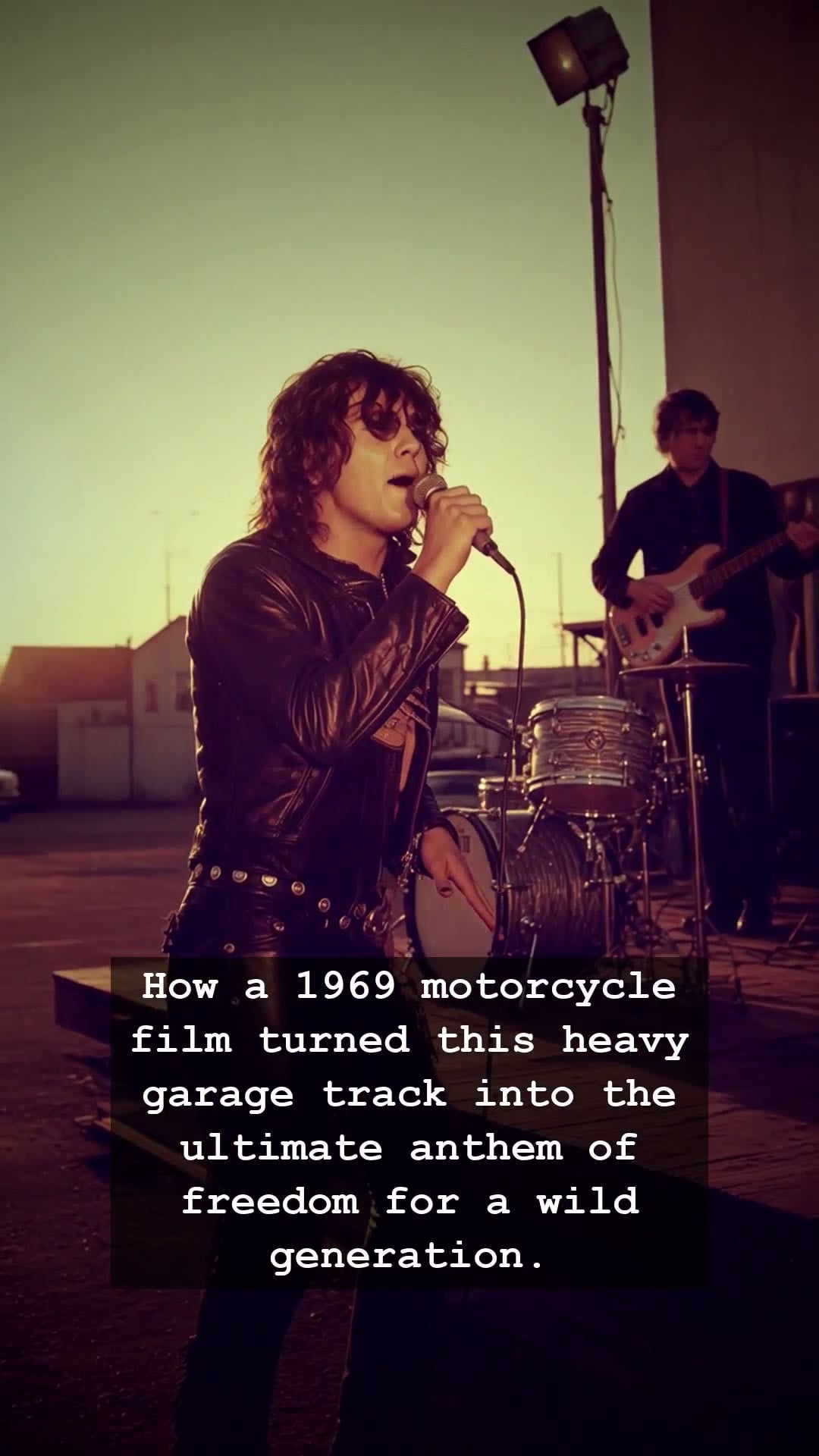
It started as a heavy, distorted garage experiment, but it ended as the gasoline-soaked prayer of a generation. In 1968, the world was fracturing under the weight of political upheaval and social unrest. Amidst this backdrop, a band named Steppenwolf was grinding away in the Los Angeles club scene, crafting a sound that felt as dangerous and untamed as a midnight ride. Little did they know that their gritty, thunderous track, Born to be Wild, was about to become something far greater than just another record on a jukebox. It was destined to become the defining roar of a counterculture movement, forever immortalized by a single cinematic moment that changed the course of rock history.
The real turning point for Steppenwolf arrived in 1969 when the song was selected for the soundtrack of the counterculture cult classic Easy Rider. Picture the scene: Peter Fonda and Dennis Hopper, draped in leather and riding choppers across the sprawling, open highways of the American Southwest. When the opening chords of Born to be Wild hit the speakers, the song ceased to be just a tune; it became the ultimate sonic representation of freedom. For the youth of the late sixties, it was a siren call to shed the constraints of suburban expectations and disappear into the desert horizon. The combination of the film’s rebellious imagery and the band’s signature heavy metal riffing created a cultural phenomenon that resonated from the coast of California to the darkest corners of Vietnam-era bars.
Behind the scenes, Steppenwolf front-man John Kay was the architect of this primal energy. While many of his peers were experimenting with the trippy, ethereal sounds of psychedelia, Steppenwolf leaned into a harder, more aggressive edge that would eventually lay the groundwork for what we now recognize as heavy metal. The band’s raw, unapologetic approach mirrored the volatile nature of the era. They weren’t singing about love and flowers; they were singing about the asphalt, the engine, and the heavy metal thunder that demanded to be heard. It was a stark departure from the polished pop of the earlier decade, marking a shift toward a more cynical and rebellious musical landscape.
Yet, the glory of this anthem came with the heavy toll of fame. As the song dominated the airwaves, Steppenwolf found themselves caught in the grueling machinery of the music industry. The pressures of constant touring, the glare of the media, and the internal frictions typical of a rising band began to fray their unity. Despite the massive success of their signature hit, the band struggled to replicate that exact lightning-in-a-bottle moment, facing the inevitable burnout that haunted so many icons of the late sixties and early seventies.
Decades later, Born to be Wild remains an essential artifact of the American experience. It captures a specific intersection of time where the optimism of the previous decade met the harsh, grimy reality of the new one. Every time those chords strike, we are transported back to a golden era of analog soul, where the only thing that mattered was the road ahead and the wind in our hair. Whether you were there to experience the cultural shift firsthand or you discovered it through the crackle of a dusty vinyl record, the legacy of Steppenwolf endures as a testament to the untamable human spirit.