
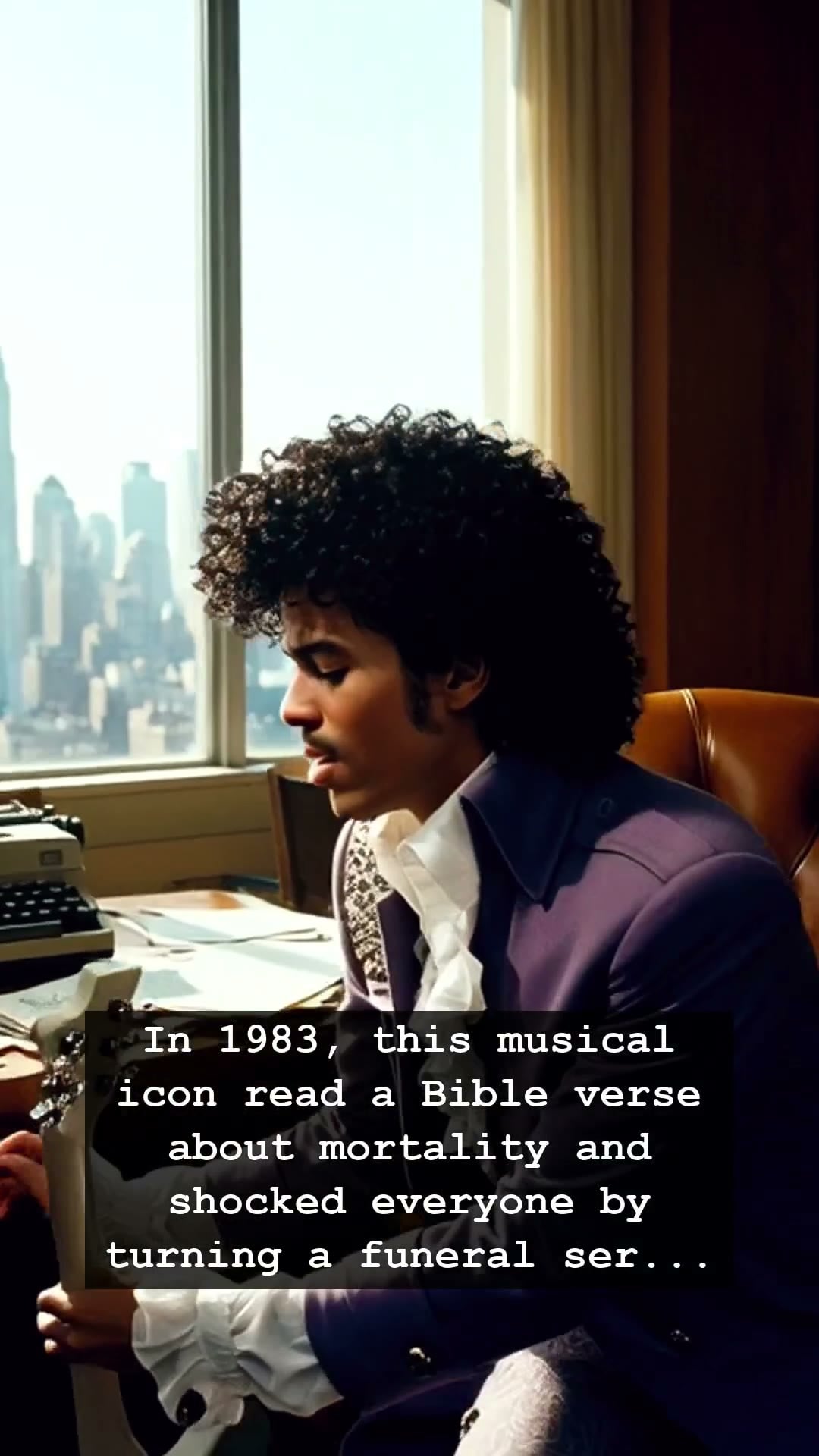
In the cold, neon-lit landscape of 1983, a musical genius sat in a Minnesota studio, staring into the abyss of his own mortality. While the rest of the world was busy dancing to the infectious beats of the early MTV era and obsessing over the latest portable Walkman gadgets, Prince was wrestling with a far darker concept. He had become fixated on the fear of impending nuclear apocalypse, a heavy anxiety that permeated the collective consciousness of the Cold War generation. It was in this state of existential dread that he opened his Bible, landing on a verse about the end of days, and decided to do the unthinkable: he transformed a funeral sermon into a massive, explosive dance floor anthem that would define an entire decade.
The resulting track, 1999, remains one of the most brilliant contradictions in music history. To the casual listener spinning a record on their Jukebox or swaying in the hazy, glittering lights of a disco club, it sounded like the ultimate party song—a carefree invitation to dance until the world stopped turning. Yet, beneath those synthesizers and the signature funk rhythm lay a haunting, apocalyptic prayer. Prince had effectively disguised a eulogy for humanity as a celebratory pop masterpiece. He knew that if the end was truly coming, there was no better way to face it than through the transcendent, unifying power of a rhythm that refused to acknowledge death.
This era was defined by the transition from the gritty soul of the seventies to the polished, electronic sheen of the eighties. Prince stood at the epicenter of this shift, pushing the boundaries of what a rock star could be. He was not just a musician; he was a visionary who understood that true art thrives on tension. By blending the sacred with the profane, he forced his audience to confront the fragility of life while simultaneously compelling them to celebrate the beauty of the present moment. This was the man who turned his inner demons into cultural monuments, leaving an indelible mark on every radio wave that dared to play his work.
Reflecting on the influence of Prince today brings us back to that pivotal year of 1983. It was a time when the stakes felt impossibly high and the music felt like the only sanctuary. When you listen to the iconic opening lines of 1999, you are not just hearing a melody; you are hearing a genius grappling with the silence that follows the final note. The song resonates because it speaks to the universal human instinct to find joy even when the sky is falling. He stripped away the pretense of the music industry and offered us something raw, honest, and undeniably electric.
Long after the synthesizers of the eighties faded and the digital age arrived, the shadow of Prince continues to loom large over the musical landscape. His ability to fuse the weight of the Bible with the heat of the dance floor proved that he was leagues ahead of his peers. We still find ourselves hitting repeat on his tracks, searching for that same catharsis he provided decades ago. The party might be over, but the echo of his genius, much like the message in his most famous anthem, is eternal.