
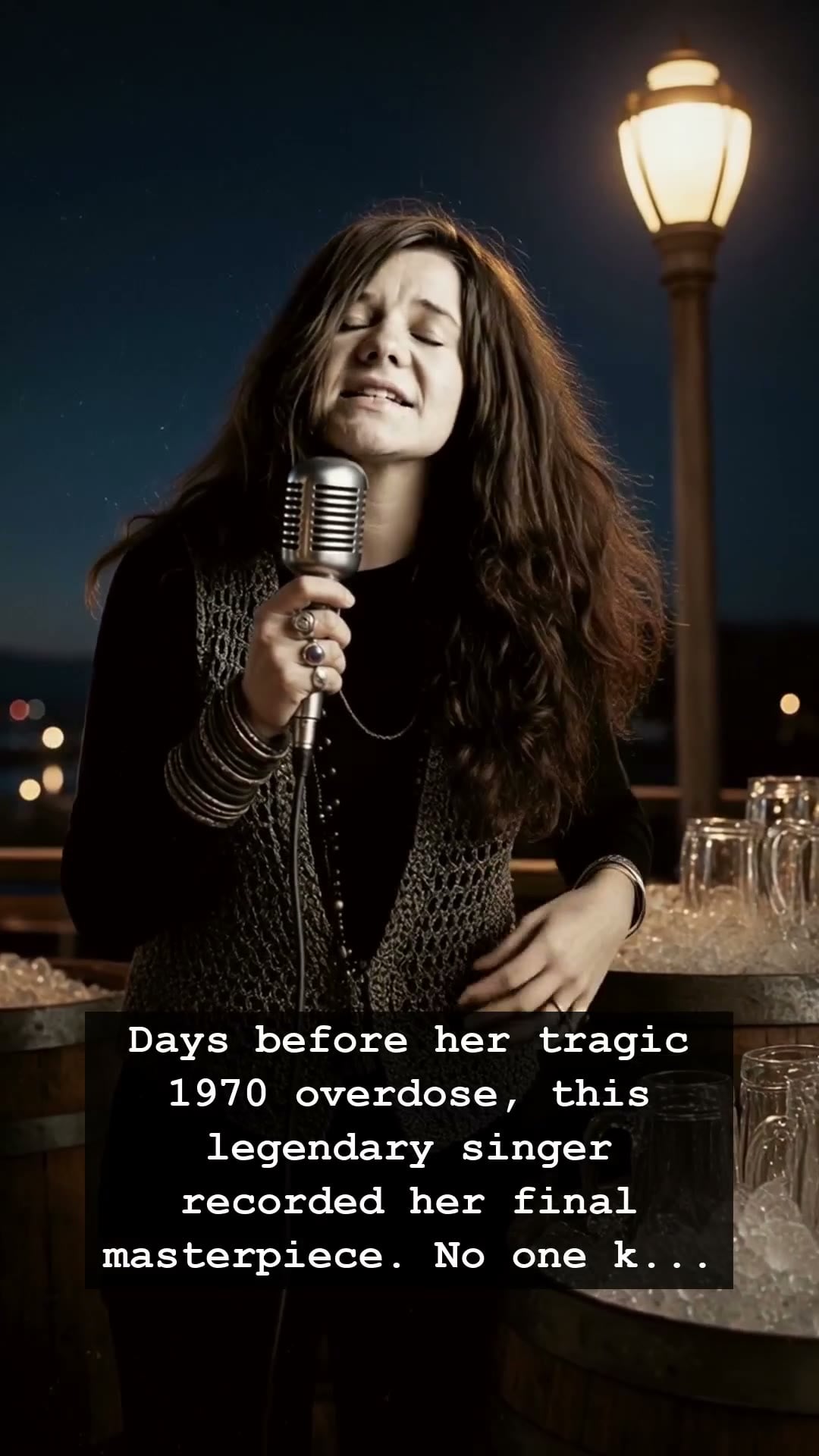
The air inside the Sunset Sound Recorders studio in October 1970 was thick with a strange, heavy tension. Janis Joplin, the raspy-voiced queen of psychedelic blues, was hunched over the microphone, her wild hair framing a face that had seen more life in twenty-seven years than most see in a lifetime. She was wrapping up the sessions for what would become her final album, Pearl. Little did the engineers know, they were capturing the final echoes of a soul that had been burning at both ends for far too long. Just days later, the world would wake up to the devastating news that the Joplin flame had flickered out, leaving a void in the landscape of American rock that has never truly been filled.
Janis Joplin was never just a singer; she was a force of nature, a raw, unfiltered vessel for the pain and ecstasy of a generation coming of age amidst the swirling chaos of the late sixties. Having risen to fame at the Monterey Pop Festival and cementing her status at the muddy, legendary fields of Woodstock, Janis became a symbol of the counterculture. Yet, behind the bravado and the feathers, the constant pressures of superstardom and the creeping shadows of addiction were taking their toll. During those final recording sessions, she poured every ounce of her remaining strength into tracks like the iconic Mercedes Benz and the heartbreakingly prophetic Buried Alive in the Blues.
There is a ghostly quality to her final vocal takes that still chills listeners today. When you listen to the crack in her voice on those late-night recordings, you aren’t just hearing a performance; you are hearing a woman exorcising her own demons in real-time. It is as if she knew the clock was ticking, pushing her voice to limits that seemed physically impossible. Her ultimate swan song, Me and Bobby McGee, reached number one on the charts posthumously, a bittersweet irony for an artist who spent her entire career searching for a home she could never quite find.
In an era defined by the rise of FM radio and the intimacy of the jukebox, Janis Joplin commanded a presence that demanded total surrender. She didn’t just sing the blues; she lived them. Even in the years following her passing, as the music industry shifted toward the polished glamour of the disco era and the booming volume of arena rock, the raw, visceral honesty of Janis Joplin remained a gold standard for authenticity. She proved that rock was not just about the guitar riffs or the stage pyrotechnics, but about the willingness to lay one’s heart bare before a crowd.
Her legacy remains etched into the history of American music, a reminder of both the brilliance and the tragedy that often accompanies genius. Whenever that raspy, unmistakable voice hits the airwaves, we are transported back to a time when music felt dangerous, urgent, and deeply human. Janis Joplin left us far too soon, but in the grooves of her final masterpiece, she remains forever young, forever wild, and forever singing her soul out for anyone willing to listen.