
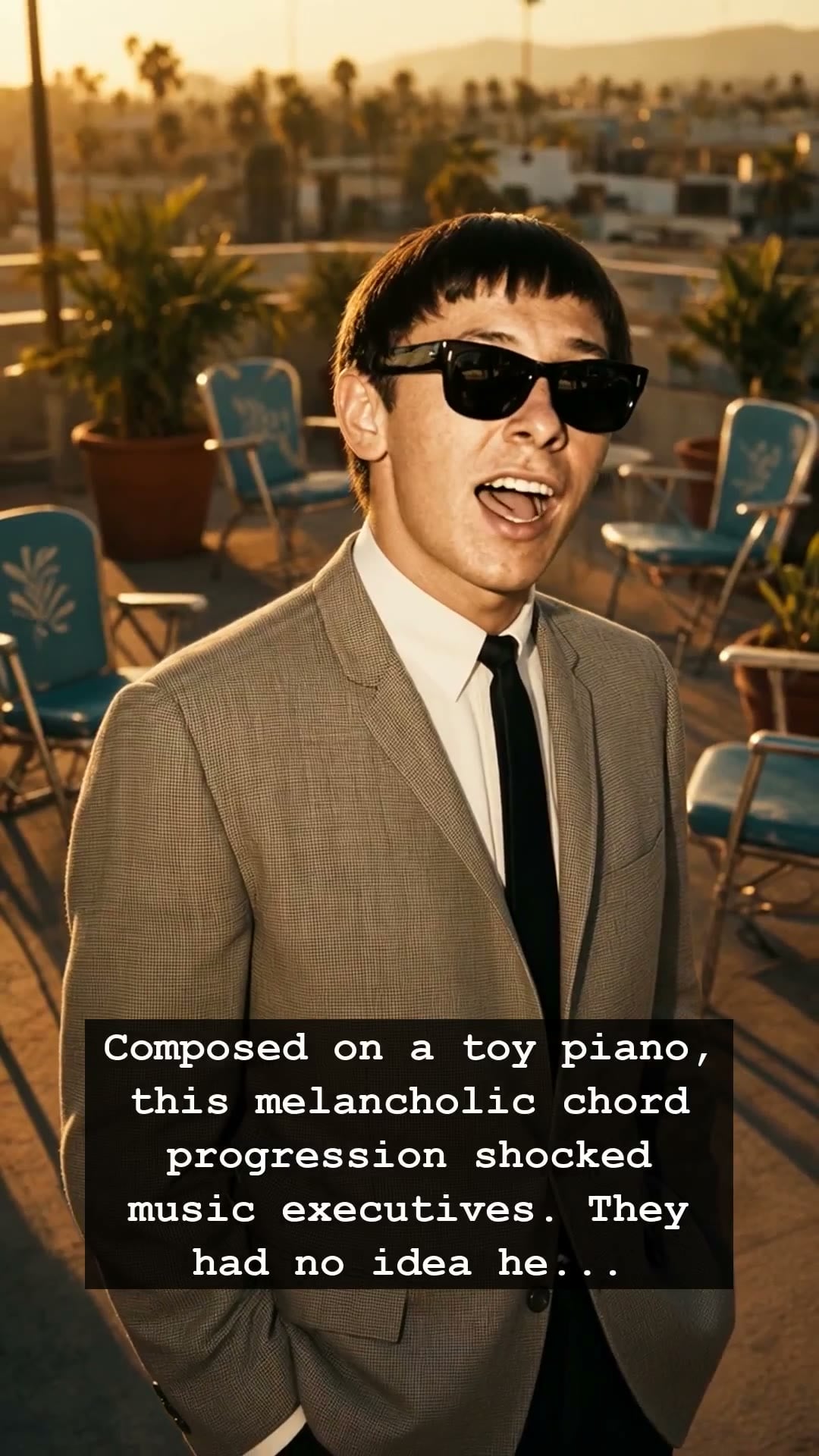
In 1963, the music industry was obsessed with the shiny, polished perfection of the hit factory. Within the smoke-filled rooms of Los Angeles studios, executives were looking for the next radio-ready anthem, but they certainly weren’t looking for magic buried inside a child’s toy. When Jack Nitzsche sat down to tinker with a tiny toy piano, he produced a melancholic, haunting chord progression that would leave those same executives utterly baffled. They dismissed it as a novelty, a fleeting experiment by a man they didn’t fully understand. Little did they know, Jack Nitzsche was not just playing with plastic keys; he was architecting the very foundation of the legendary wall of sound that would eventually define the emotional landscape of mid-century American rock and roll.
To understand the genius of Jack Nitzsche, you have to transport yourself back to an era where the Jukebox was the ultimate arbiter of taste. Before the world was obsessed with the digital convenience of the modern age, music was a tactile, visceral experience. Jack Nitzsche operated in the shadows of giants like Phil Spector, serving as the unsung hero who bridged the gap between raw pop ambition and complex orchestral arrangement. While the public saw the polished facade of the final recordings, Nitzsche was the man pulling the strings, layering textures, and infusing deep, existential longing into tracks that were supposed to be merely catchy dance tunes.
His process was rarely conventional. By the time he was collaborating on iconic tracks, Jack Nitzsche had earned a reputation as a volatile, brilliant, and deeply misunderstood force. He approached arrangements with the intensity of a classical composer trapped in a pop star’s world. That specific chord progression, born from that humble toy piano, eventually evolved into a sonic landscape that captured the fractured spirit of the early sixties. It was the sound of a generation trying to find its footing between the optimism of the post-war years and the coming turbulence of the late sixties. Nitzsche understood that melody could be a trap, but a chord progression could be a confession.
Despite his immense contributions to the landscape of American music, the path for Jack Nitzsche was rarely smooth. Like many legends of the era, he walked a fine line between creative brilliance and the darkness that often follows fame. His work on film scores and his influence on the surf rock scene proved that his talent transcended the pop charts. He was a man who lived through the rise of everything from the golden age of vinyl to the dawn of the MTV era, yet his heart remained tethered to the intimate, melancholic power of those initial notes he captured years earlier.
Today, we look back at his work with a sense of reverent nostalgia. When we listen to the records he touched, we aren’t just hearing instruments; we are hearing the heartbeat of a man who saw music as something far grander than a simple radio hit. Jack Nitzsche remains an enigmatic titan, a ghost in the machine of music history who reminded us that even from the most fragile, miniature beginnings, you can build a sound that lasts forever. The next time you find yourself lost in the echoes of a classic track, listen closely for the shadow of that toy piano, and remember the man who turned it into a legend.