
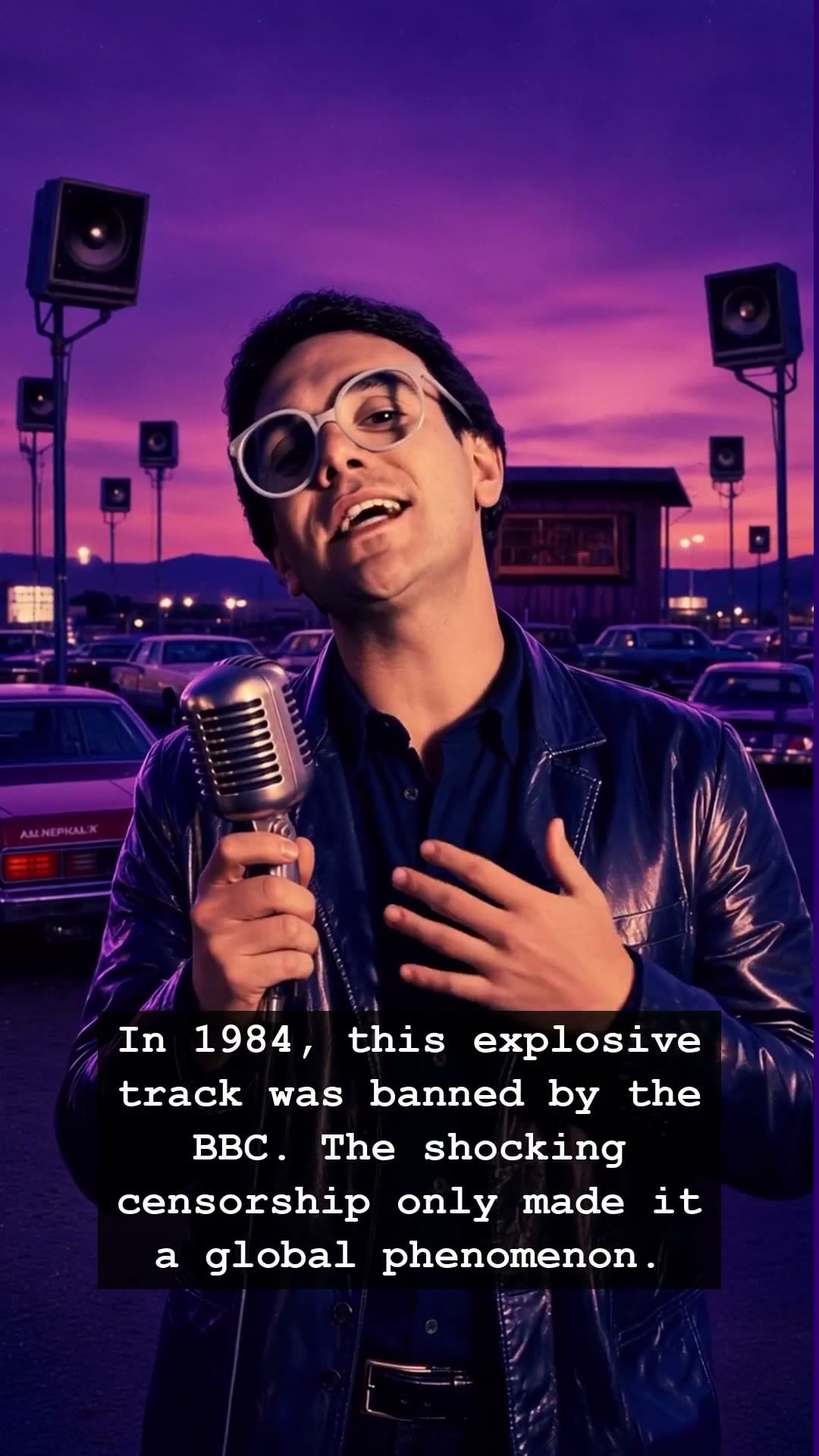
The year was 1984, a time when the world was gripped by the neon glow of the nascent MTV era and the rhythmic pulse of the synthesizer. Into this charged atmosphere stepped Frankie Goes to Hollywood, a band from Liverpool that did not just want to make music; they wanted to provoke. Their debut single, Relax, arrived like a Molotov cocktail thrown into the pristine living rooms of suburban Britain. With its relentless, driving beat and overtly provocative lyrics, it wasn’t long before the BBC, the ultimate arbiter of public morality at the time, decided enough was enough. In a move that would define the band’s legacy, the broadcaster slapped a total ban on the song, effectively erasing it from the airwaves of the most powerful media outlet in the country.
Yet, the establishment failed to understand the psychology of rebellion. By attempting to silence Frankie Goes to Hollywood, the BBC inadvertently fueled the fire. The ban acted as the ultimate marketing stunt, turning an underground synth-pop track into a symbol of forbidden fruit. Young listeners, armed with their portable Walkmans and a hunger for something grittier than standard radio fare, hunted down the record with religious fervor. The shocking censorship paradoxically propelled Relax to the top of the charts, making the group overnight superstars and proving that in the music business, controversy is the most potent fuel of all.
Behind the glitz and the synthesizers, the members of Frankie Goes to Hollywood—led by the enigmatic frontman Holly Johnson—were perfectly suited for the chaos. They were working-class outsiders who brought a raw, unpolished energy to the polished production style of the mid-eighties. Their rise was meteoric, a whirlwind of high-fashion photography, leather-clad aesthetics, and a defiant attitude that made them the darlings of London’s nightclub scene. At the time, they represented a seismic shift, pushing boundaries in a way that felt dangerous to the status quo but entirely necessary to a youth culture tired of sterile pop.
The legacy of that era lingers in the way we view the collision between art and authority. Frankie Goes to Hollywood captured the anxiety and the excess of 1984 perfectly, standing alongside other icons of the decade who used the power of the press—and even the backlash from it—to cement their place in history. Their success wasn’t just about a catchy chorus; it was about the thrill of a generation claiming its own voice. Looking back, the saga of the band remains a vivid reminder of how a single decision by a buttoned-up censor can create an enduring cultural icon.
Even today, when you hear the opening chords of that hit, the nostalgic hum of the eighties comes rushing back. It serves as a testament to a time when pop music felt like a battleground, not just background noise. Frankie Goes to Hollywood proved that if you push back hard enough against the establishment, the world will have no choice but to listen. So, turn up the volume, lean into the drama, and revisit the anthem that forced a nation to blush and a generation to dance.