
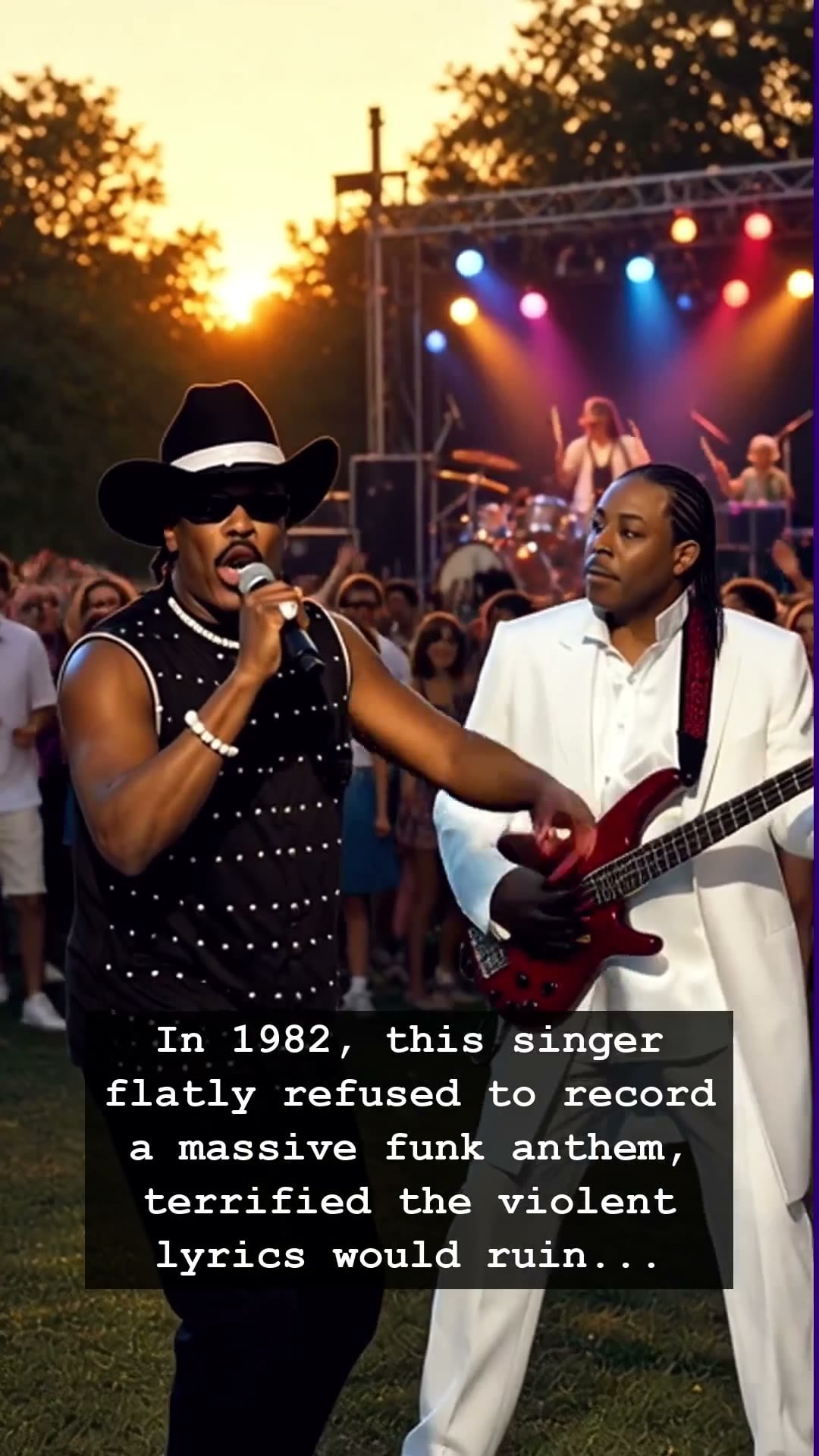
Picture the year 1982. The neon glow of the nascent MTV era was just beginning to pulse through living rooms, and the airwaves were dominated by a restless energy. Inside a sweltering recording studio, The Gap Band stood on the precipice of a defining moment in funk history. But behind the scenes, tension reached a fever pitch. Lead singer Charlie Wilson found himself locked in a bitter, explosive argument with his team over a track that would eventually become an undeniable anthem. He was terrified. He was convinced the song’s lyrics, which leaned into aggressive, street-edged themes, would trigger a violent radio backlash and effectively torch their career before it could reach the mainstream.
At the time, the funk movement was shifting, evolving from the psychedelic haze of the seventies into the tight, synth-driven grooves that would define the early eighties. The Gap Band was arguably at the center of this cultural hurricane. They were masters of the groove, the architects of a sound that filled dance floors from community centers to the elite circles of Studio 54. Yet, in that studio booth, the weight of reputation hung heavy. Charlie Wilson feared that being associated with such gritty lyrical content would label the group as too radical for the polished pop sensibilities of the decade. It was a clash between artistic ambition and the cold, calculated fear of industry censorship.
What ensued was a standoff that would have broken lesser bands. It was not merely about a melody; it was a battle for the soul of their identity. Producers pressed for the raw intensity that the era demanded, while Wilson fought to keep the group grounded in the rhythmic accessibility that had built their name. The studio floor felt like a battlefield, filled with the hum of analog tape machines and the thick, palpable pressure of an impending release date. It is a stark reminder that what we hear as flawless, timeless music on a jukebox today was often forged through broken nerves, shouted arguments, and high-stakes gambling on creative vision.
Ultimately, the groove won. The resistance faded as the band recognized the undeniable, infectious power of the track. When the record finally hit the airwaves, the backlash Wilson feared never manifested as a career-ending blow. Instead, it became a phenomenon, cemented in the legacy of The Gap Band as a testament to their daring. It captured the raw street energy of the eighties, vibrating with a percussive snap that felt dangerous, authentic, and utterly magnetic. The world was ready for that sound, even if the singer wasn’t quite sure at the time.
Decades later, the story of The Gap Band and their 1982 triumph serves as a fascinating lens into the high-pressure environment of hit-making. It highlights the fine line between a career-ending mistake and an iconic legacy. As we look back through the lens of nostalgia, listening to these tracks on vintage speakers, we realize that the friction was the point. The anxiety, the conflict, and the hesitation are woven into the very fabric of the rhythm. The next time you find yourself dancing to their timeless funk, remember the man who almost walked away, and the storm it took to create the silence-breaking beat that redefined their future.