
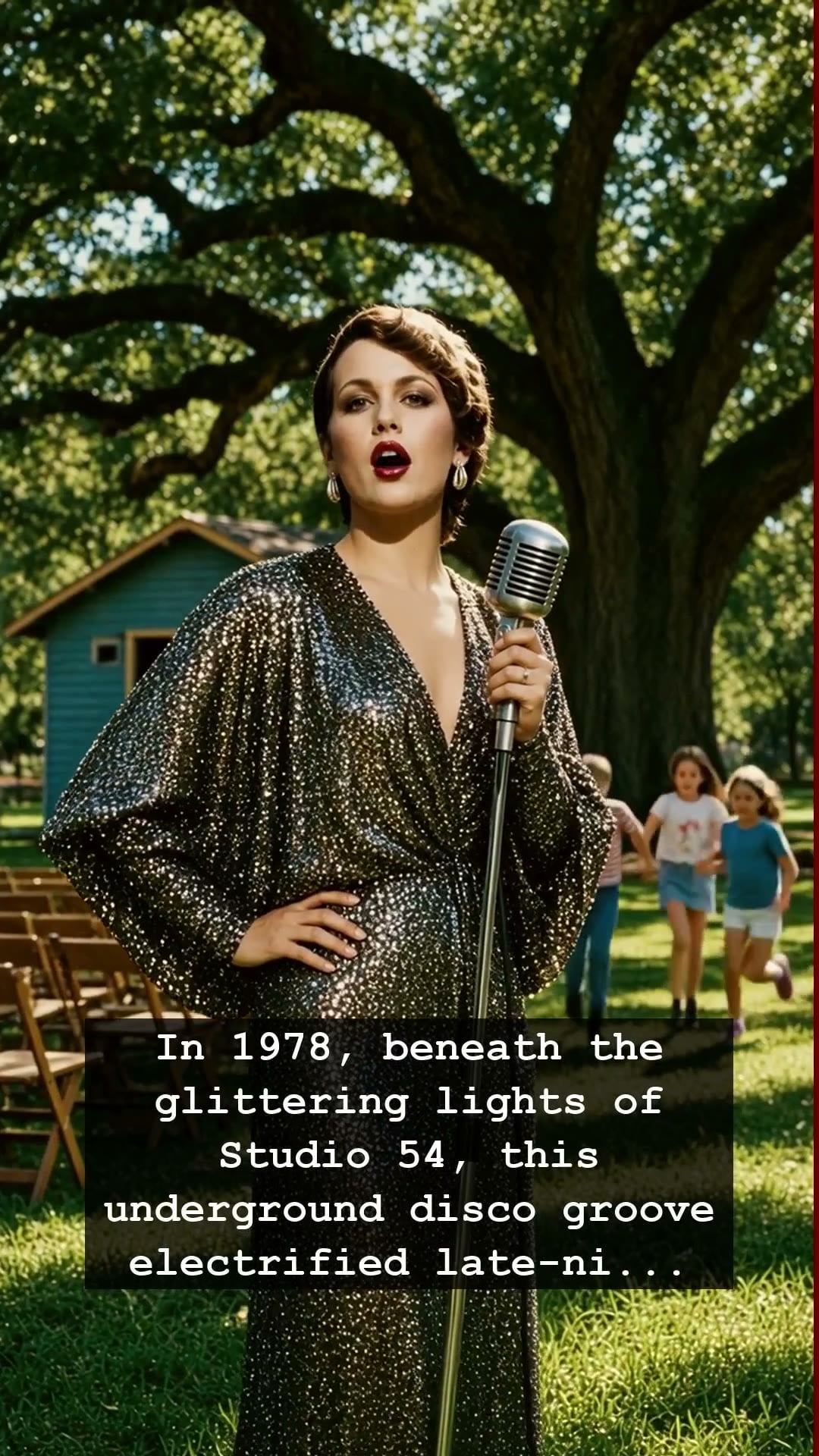
Imagine the year is 1978. The heavy velvet curtains of Studio 54 part, revealing a world where the air is thick with the scent of expensive perfume, sweat, and the electric tension of excess. Beneath the rotating mirror ball, the Studio 54 disco dancers moved not just to the music, but to a rhythm of survival and liberation. To the outsider, they were mere silhouettes in a neon haze, but to those who lived it, they were the architects of a short-lived, hedonistic utopia. They were the ones who dictated the vibe, transforming a former Broadway theater into the most exclusive playground on the planet.
In those flickering strobe lights, the disco dancers of Studio 54 became the face of a movement that the mainstream press initially tried to ignore. You could hear the thump of the bass from blocks away, a pulse that drew the beautiful, the damned, and the desperate into its gravitational pull. While the rest of the country was still caught in the fading echoes of soft rock, these dancers were pioneering a frantic, high-octane energy that defined the late seventies. They didn’t just dance to the song; they lived the song until the sun threatened to expose the gritty reality of a city on the edge of bankruptcy.
The drama hidden behind those velvet ropes was as intense as the choreography on the floor. For every dancer who found a moment of stardom under the spotlight, there were dozens who were discarded by the ruthless door policy of Steve Rubell and Ian Schrager. The Studio 54 disco dancers lived in a fragile equilibrium between fame and oblivion. It was common to see stars like Bianca Jagger or Andy Warhol standing near the dance floor, yet the true power rested with the regulars—the anonymous gods and goddesses of the discotheque who kept the energy vibrating until dawn.
But the glitter eventually lost its luster. As the seventies drew to a close, the lifestyle that the Studio 54 disco dancers embodied began to implode under the weight of narcotics, federal investigations, and the eventual moral panic that fueled the anti-disco backlash. What began as a genuine explosion of underground freedom morphed into a cautionary tale of greed and excess. The music slowed, the lights dimmed, and the dancers who had once been the heartbeat of Manhattan’s nightlife found themselves scattered, left only with the phantom sensations of a bass line that once shook the foundations of the world.
Today, we look back at the era of the Studio 54 disco dancers with a mix of longing and bewilderment. We use our Walkmans or modern playlists to recapture that specific, syncopated magic, wondering if we could have survived the sheer intensity of that room. It was a time when the night felt infinite and the dance floor was the only sanctuary that mattered. Even now, decades later, when that familiar, driving beat drops in a song, you can still feel the ghost of Studio 54, beckoning you back to the floor for just one more dance.