
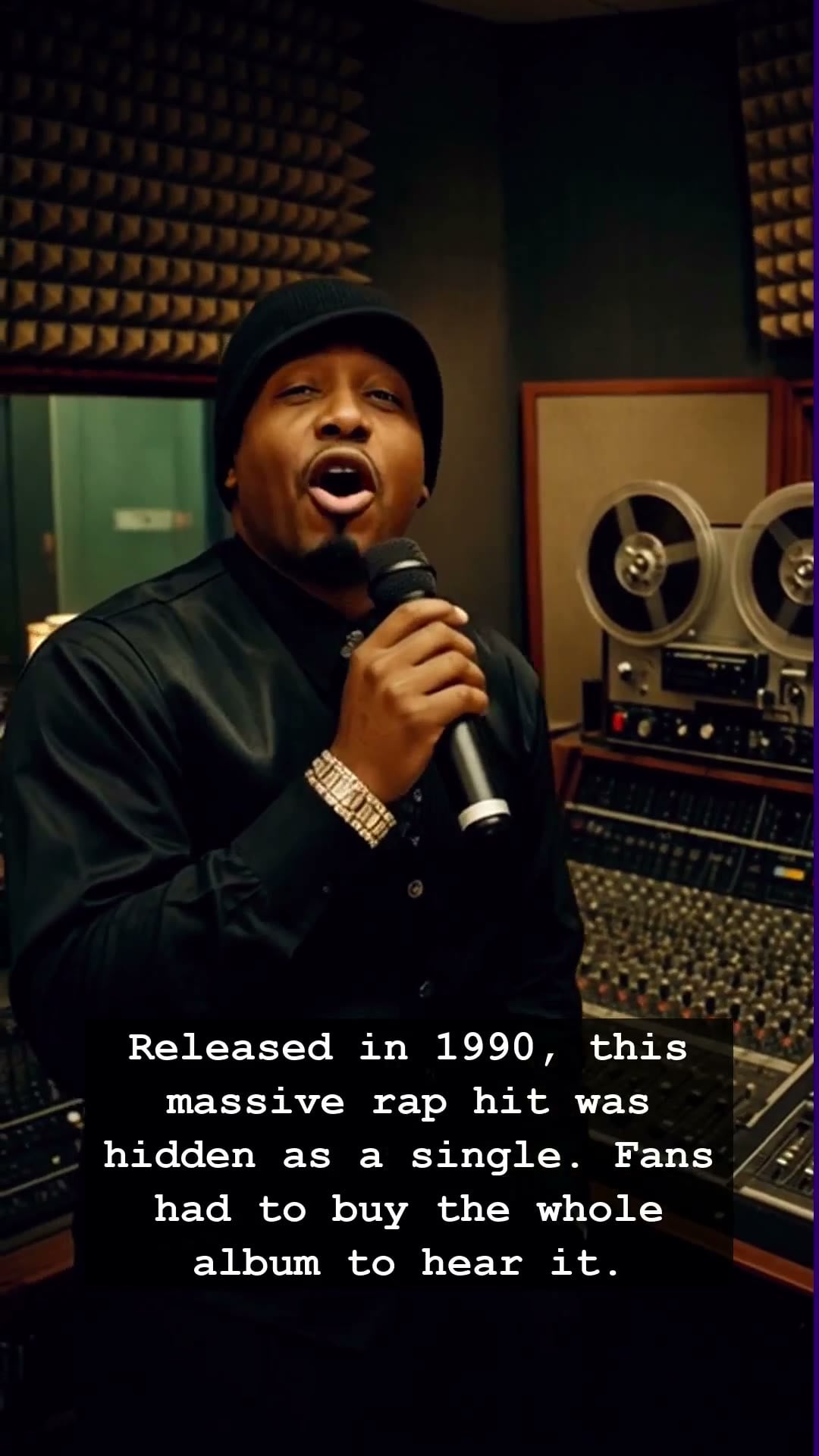
It was 1990, the year the world turned upside down for hip-hop, and the shimmering, gold-plated era of the Walkman was in full swing. If you were walking down any suburban street or hanging out at the local mall back then, you could not escape one sound: the relentless, infectious, and undeniably iconic beat of U Can’t Touch This. But there was a shadow behind that neon-colored success that most fans never realized. While the song was a global phenomenon, record executives made a calculated, cutthroat move that forced music lovers into a corner: they refused to release the track as a commercial single, leaving millions of fans with no choice but to purchase the entire Please Hammer, Don’t Hurt ‘Em album if they wanted to own the song.
MC Hammer was already a sensation, but this strategic lockout transformed his music into a mandatory cultural artifact. By keeping the song off the shelves as a standalone single, the label turned the album into an instant bestseller, cementing MC Hammer as the biggest rap star on the planet. It was a bold, borderline deceptive tactic that changed the way record labels looked at marketing strategy during the transition from the golden age of vinyl to the dominance of the cassette tape. Fans felt the pressure of the industry, yet they flocked to record stores by the millions, desperate to hear that signature sample of Rick James that defined the summer of 1990.
Looking back, it is hard to separate the man from the spectacle. MC Hammer brought a level of theatricality to hip-hop that had never been seen before. With his signature parachute pants, high-octane choreography, and relentless energy, he turned the genre into a massive commercial powerhouse. But behind the glitz and the MTV spotlights, the immense pressure of his astronomical success was mounting. The music industry was a different beast then, fueled by physical sales and the sheer power of radio play, and MC Hammer was the lightning rod for all of it. He became the face of a new mainstream rap, bridging the gap between underground urban culture and the radio waves of the American suburbs.
Yet, even with the massive sales and the fame that felt like it would never fade, the story of this hidden single serves as a reminder of the fragility of the spotlight. The record industry was obsessed with profit-driven barriers, treating music as a commodity to be hoarded rather than shared. This specific moment in history captures the tension of an era where you had to be physically present at the record store to participate in the conversation. When you bought that cassette, you weren’t just buying music; you were buying a ticket into the most explosive trend of the decade.
Decades later, we still find ourselves nostalgic for the era of MC Hammer. Whether it was the raw, unfiltered energy of the dance floor or the sheer audacity of his marketing, the music remains a staple of our collective memory. It stands as a testament to the time when a single song could dictate the rhythm of an entire culture. Do you remember where you were when you finally got your hands on that album, or are you still feeling the sting of having to buy the whole record just for one hit? The legacy of MC Hammer is written in gold, glitter, and the enduring power of a beat that truly, no one could touch.