
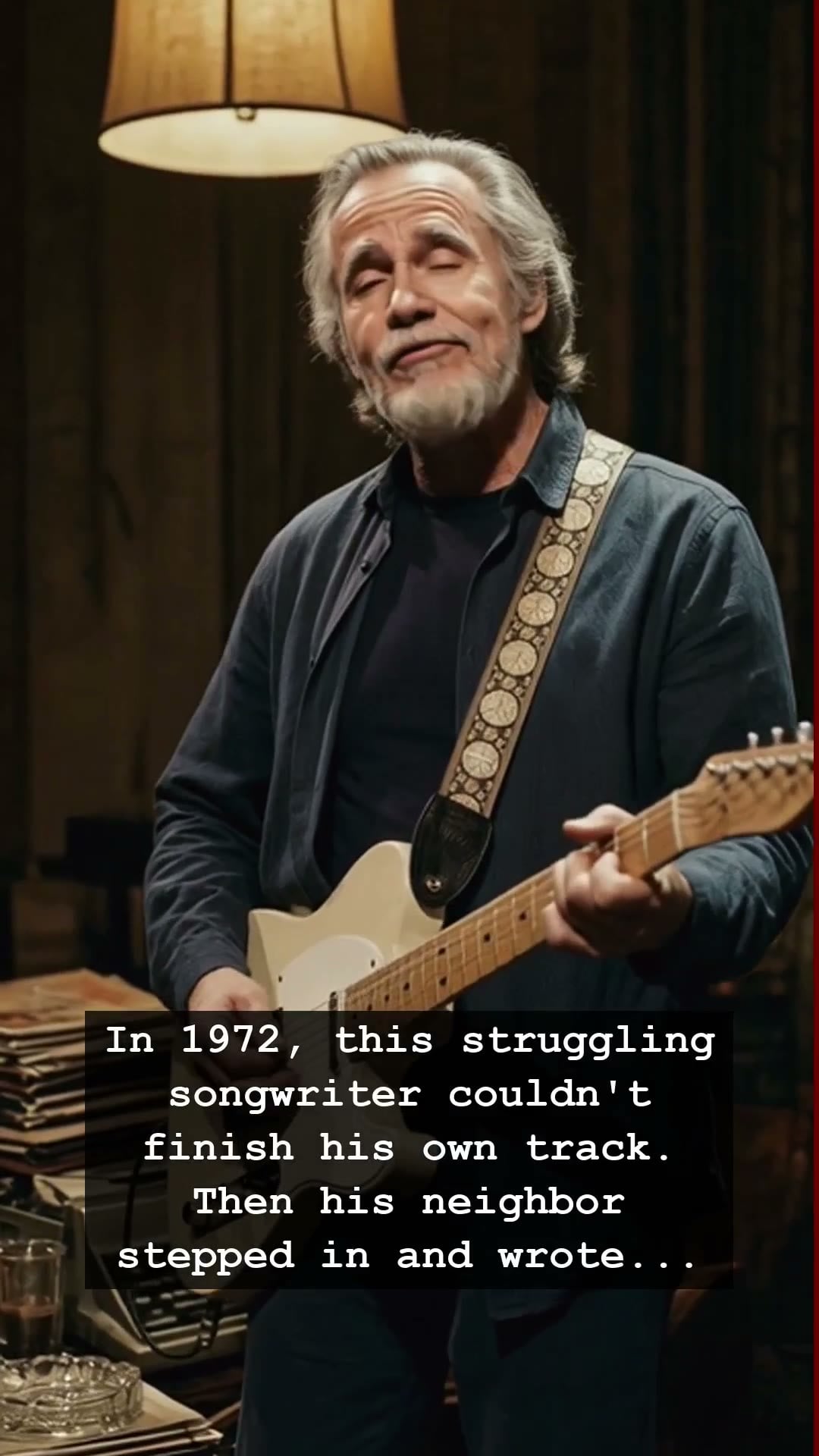
The year was 1972, a time when the Laurel Canyon music scene was swirling with cigarette smoke, vintage acoustic guitars, and the promise of California sunshine. For a struggling, young songwriter named Jackson Browne, life was a cycle of unfinished melodies and mounting frustration. He had been laboring over a track for months, feeling the weight of creative paralysis as he stared at his notebook. The song had potential, but it lacked that singular, magnetic hook that could turn a simple tune into a radio staple. He was mere inches away from abandoning the project entirely when his neighbor, a vibrant and ambitious musician named Glenn Frey, knocked on his door and changed the course of rock history forever.
The dynamic between Jackson Browne and Glenn Frey was the epitome of the early seventies creative camaraderie. As they lived in the same apartment complex, their walls were thin enough to share musical ideas and mutual aspirations. When Browne played the embryonic version of what would become Take It Easy for his friend, he was stuck on the second verse. The melody was there, but the soul of the lyrics remained elusive. Without hesitation, Glenn Frey stepped into the room, grabbed a pen, and provided the lines that would launch a thousand jukeboxes across America: Standing on a corner in Winslow, Arizona, such a fine sight to see. It was a moment of pure, accidental alchemy that would define an entire generation of Southern California rock.
That brief collaboration didn’t just fix a song; it helped launch the legendary career of The Eagles. While Jackson Browne was a brilliant songwriter in his own right, the energy Glenn Frey brought to the table turned the track into the quintessential anthem of the open road. As the song hit the airwaves, it became the soundtrack for those cruising in their beat-up convertibles with the windows down, capturing the carefree yet weary spirit of an era defined by the looming shadow of the Vietnam War and the idealism of the post-Woodstock movement. The song radiated a sense of freedom that resonated deeply with a youth culture hungry for escape.
Looking back at that era, it is fascinating to see how closely knit the folk-rock world truly was. Jackson Browne and Glenn Frey were part of a brotherhood of musicians who constantly borrowed, refined, and polished each other’s work in dimly lit studios and cluttered living rooms. Their story serves as a poignant reminder that even the most iconic hits often emerge from the humblest of beginnings—born not in the spotlight, but in the quiet, supportive moments between two friends sharing a dream.
Decades later, the legacy of that collaboration remains untouched by the passage of time. Whenever the opening acoustic riff of Take It Easy starts to play, it transports us back to a simpler, more melodic time. Whether you were hearing it on a crackling AM radio in your first car or discovering it on a vinyl record years later, the song remains a testament to the magic that happens when talent meets friendship. It is more than just a classic rock staple; it is a piece of American history that reminds us all to just take it easy.