
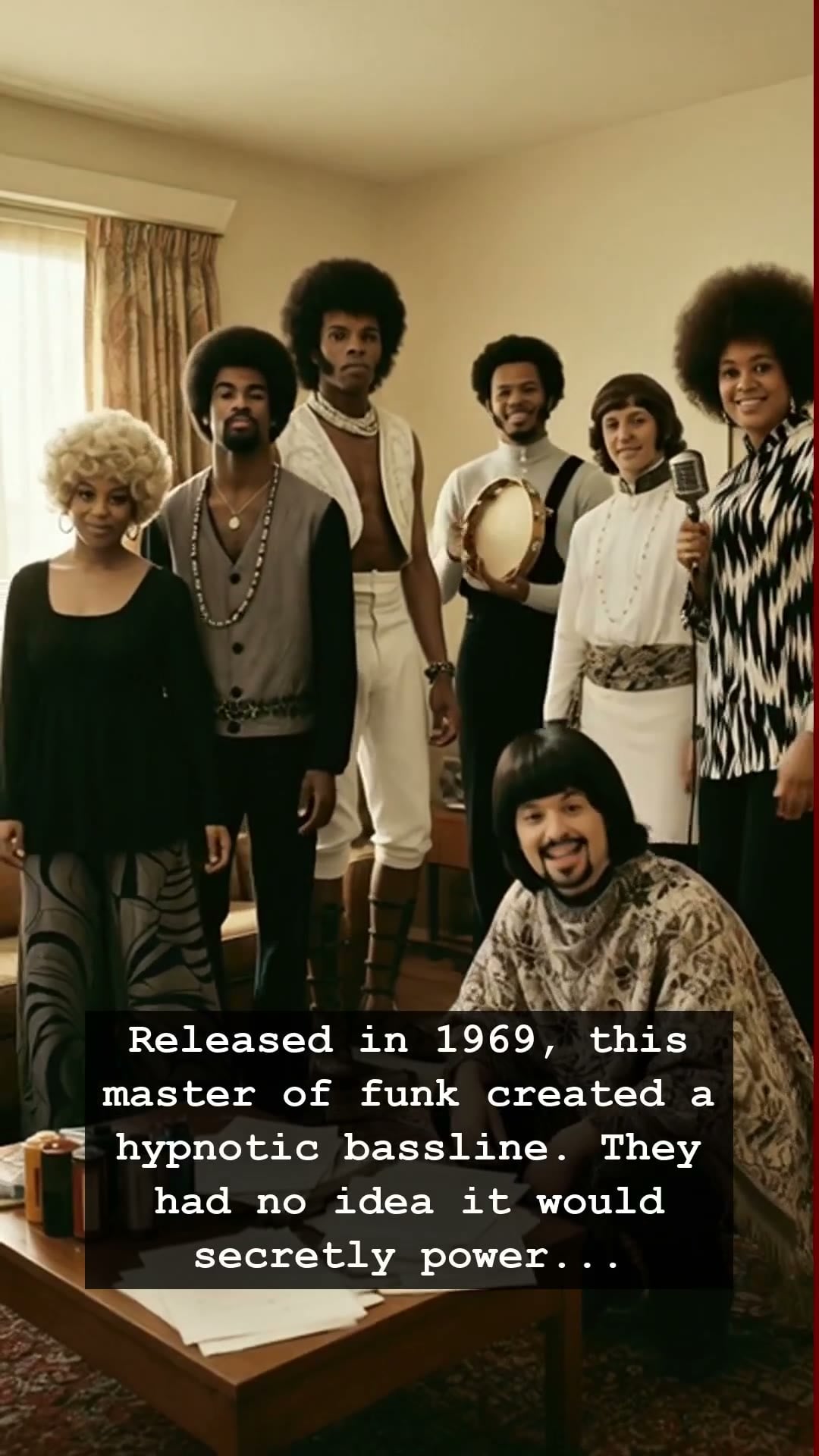
In 1969, the world was shifting beneath the feet of a generation. While Woodstock was capturing the spirit of a fractured America, a collective from San Francisco was busy dismantling the architecture of rhythm itself. Sly and the Family Stone didn’t just release a record; they unleashed a hypnotic, pulsating bassline that sounded like the future. At the time, traditionalists were genuinely terrified by the raw, jagged edges of their funk, yet they had no idea that they were listening to the blueprint for a musical revolution that would not fully explode for another two decades.
Sly Stone, a visionary constantly oscillating between genius and chaos, built a soundscape that defied the tidy categorization of the radio era. The band was a chaotic, beautiful microcosm of America—multiracial, gender-inclusive, and unapologetically bold. When you listen to the deep, percussive grooves they forged in the studio, you are hearing the invisible heartbeat that would later define the Golden Era of hip-hop. It is a haunting thought that the backbone of 1990s boom-bap can trace its lineage directly back to these sweaty, electric sessions held while the world was distracted by the lunar landing and the social unrest of the late sixties.
Behind the magnetic stage presence of Sly and the Family Stone lay a darker reality of fame and excess. The same pressures that birthed their revolutionary sound also began to fracture the group from within. The band was often a powder keg of personality clashes and mounting substance abuse, a common story in the high-stakes world of rock and funk legends. Their concerts became unpredictable dramas where the crowd would wait hours for a performance that might never happen, or worse, end in a blur of disillusionment. Yet, when they were on, they were truly untouchable, capturing a lightning-in-a-bottle energy that felt like a spiritual awakening.
It is fascinating to look back through the lens of history and see how a single bassline could travel across time. Producers of the eighties and nineties spent countless hours scouring dusty crates for the specific grit and soul embedded in these tracks. They found in Sly and the Family Stone the raw material needed to craft the sound of the streets. This was not merely sampling; it was an act of archeology, unearthing the rhythmic marrow of a funk band that had the audacity to believe they could change the world with a groove.
Today, the legacy of Sly and the Family Stone remains as potent as it was in 1969. Whether you were there at the height of their influence or discovered their work through the hip-hop tracks that sampled their soul, the impact is undeniable. They taught us that music is not just about melody; it is about the feeling in your chest when the bass drops. As we look back at the golden era of vinyl, let us remember that the most influential sounds often come from those who were bold enough to embrace the chaos. Do you still remember the first time those hypnotic rhythms moved your soul?