
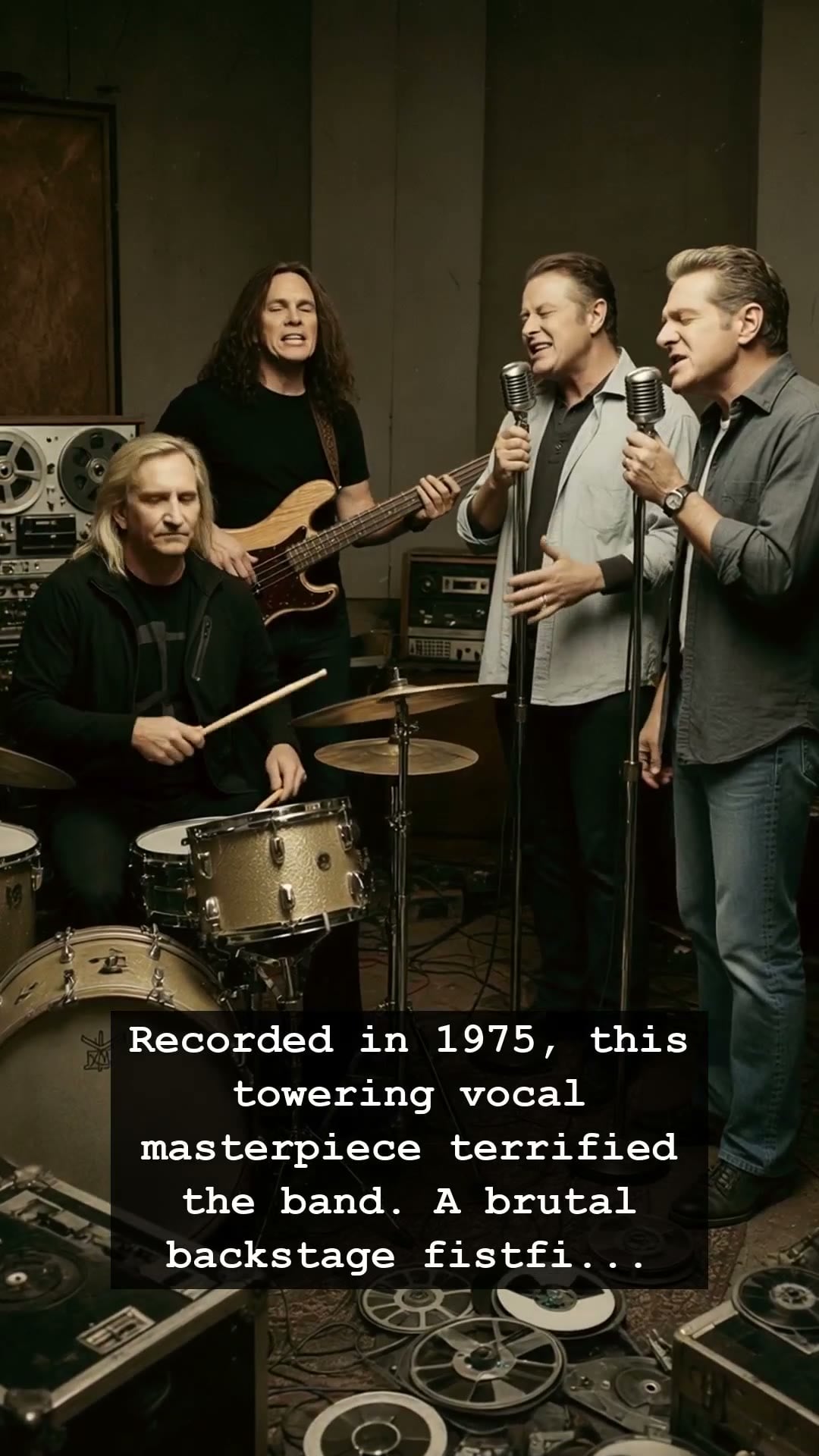
It was 1975, a year where the Eagles were soaring toward an unstoppable commercial peak, yet beneath the shimmering surface of their sound, the air was growing dangerously thin. At the center of this storm was Randy Meisner, a man whose soulful, aching vocals defined one of the most iconic power ballads of the era: Take It to the Limit. While millions of fans were captivated by the song’s soaring high note and lyrical vulnerability, few knew that this masterpiece was slowly pushing Randy Meisner to the very brink of his sanity. For the bassist, every live performance of the song became a terrifying gauntlet, a high-stakes gamble where the fear of failing to hit that final, glass-shattering note paralyzed him in front of sold-out arenas.
The tension was not merely internal; it was a powder keg waiting for a spark. The Eagles were living the high-octane, substance-fueled life that defined the mid-70s rock scene, and the pressure of maintaining their monumental success had eroded the fraternal bonds they once shared. Randy Meisner, a gentle soul by nature, found himself increasingly alienated by the ego-driven, turbulent dynamics of his bandmates. The studio had become a place of perfectionism, but the stage had become a battlefield. The psychological toll of being forced to perform the hit song repeatedly, despite his vocal exhaustion and crippling stage fright, fueled a simmering resentment that would soon boil over into physical violence.
Following a tense show in Knoxville, the simmering conflict between Randy Meisner and the rest of the band reached its breaking point. As they retreated to the shadows of the backstage area, away from the adoring roar of the crowd, words turned into jagged shards of anger. The argument escalated with shocking speed, transforming from a heated professional disagreement into a brutal fistfight. In the cramped, dimly lit confines of the dressing room, the camaraderie that had once characterized the band during their early days in the Los Angeles club scene was permanently fractured. It was a dark, defining moment—a testament to the heavy, hidden price of stardom during the golden age of American rock.
This incident proved that the glitz of the era was often a mask for profound isolation. Randy Meisner eventually walked away from the band, unable to reconcile his need for personal peace with the relentless machinery of fame. His departure marked the end of an era for the group, leaving Take It to the Limit as a bittersweet monument to a talented man who simply wanted to escape the suffocating pressures of the spotlight. Looking back, we see that the song was not just a hit; it was a cry for help from a man drowning in his own success.
Decades later, the haunting melody still resonates, carrying the weight of that historical fracture. We listen to the high notes now with a different ear, hearing the echo of the exhaustion and the human drama that defined the life of Randy Meisner. His story remains a poignant reminder that even the most beautiful music is often born from the deepest scars. When you listen to that classic record today, take a moment to look beyond the nostalgia and recognize the fragile, human heart that once carried the weight of a legend.