
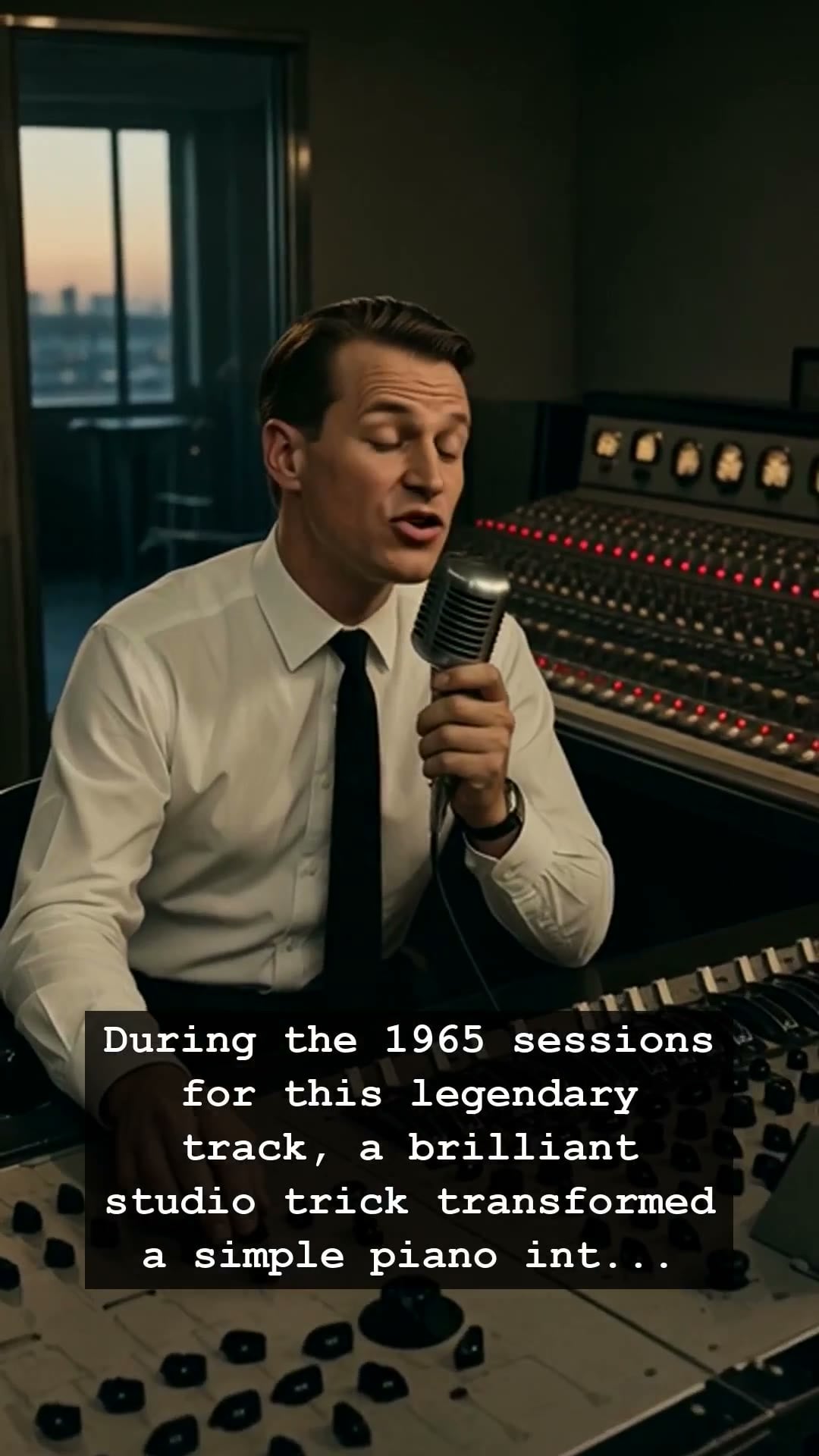
It was 1965, the year the world felt like it was spinning faster than a vinyl record on a high-speed turntable. The Beatles were at the peak of their global conquest, yet within the hallowed walls of Abbey Road Studios, they faced an insurmountable creative wall. They were working on a deeply personal track called In My Life, a song reflecting on the bittersweet passage of time. John Lennon had written the lyrics, but the bridge felt hollow, lacking the grandeur he envisioned. That is when George Martin, the calm, sophisticated architect of their sound, stepped into the spotlight to pull off a miracle that would define the baroque pop era.
George Martin was more than just a producer; he was the sonic alchemist who understood the delicate bridge between classical rigor and rock and roll rebellion. As the band sat in frustration, Martin suggested a keyboard solo. He sat down at the piano, but he knew that a standard performance would not capture the melancholy beauty of the composition. He played the part at half-speed, an octave lower than the final pitch, carefully articulating each note of the solo. It was a technical risk that required immense precision and a visionary ear for how the final tape would react to manipulation.
When George Martin sped the tape back up to normal speed, the piano was transformed. It no longer sounded like a clumsy instrument; it took on the bright, sharp, and haunting timbre of a harpsichord. This studio trick provided the perfect baroque texture to underscore Lennon’s lyrics about memories of places and people. It was a moment of pure magic, born from the tension of a ticking clock and the uncompromising demand for perfection that defined the mid-sixties recording environment. This was the era where the studio itself became an instrument, and George Martin was the master conducting the invisible symphony.
This incident remains a cornerstone of music history because it proved that imagination could overcome technical limitations. In an age before digital sampling and pristine software, George Martin relied on magnetic tape and pure audacity. His influence shaped the transition of popular music from the simple innocence of the early Jukebox hits to the complex, artistic statements of the late sixties. The track remains a poignant reminder of a time when every splice and edit felt like an exploration into uncharted territory, creating a soundscape that would influence generations of songwriters to come.
Today, we look back at the work of George Martin with a sense of profound nostalgia. The hum of the tape machines, the smell of cigarette smoke in the studio, and the sheer human effort required to create perfection are almost tangible in the recording. Every time those harpsichord-like notes echo in your ears, you are listening to a ghost of 1965, a testament to a collaboration that changed the landscape of modern culture forever. As the world continues to cycle through new trends and digital waves, the timeless genius of Martin remains an anchor for those of us who still cherish the warmth of the analog soul.