
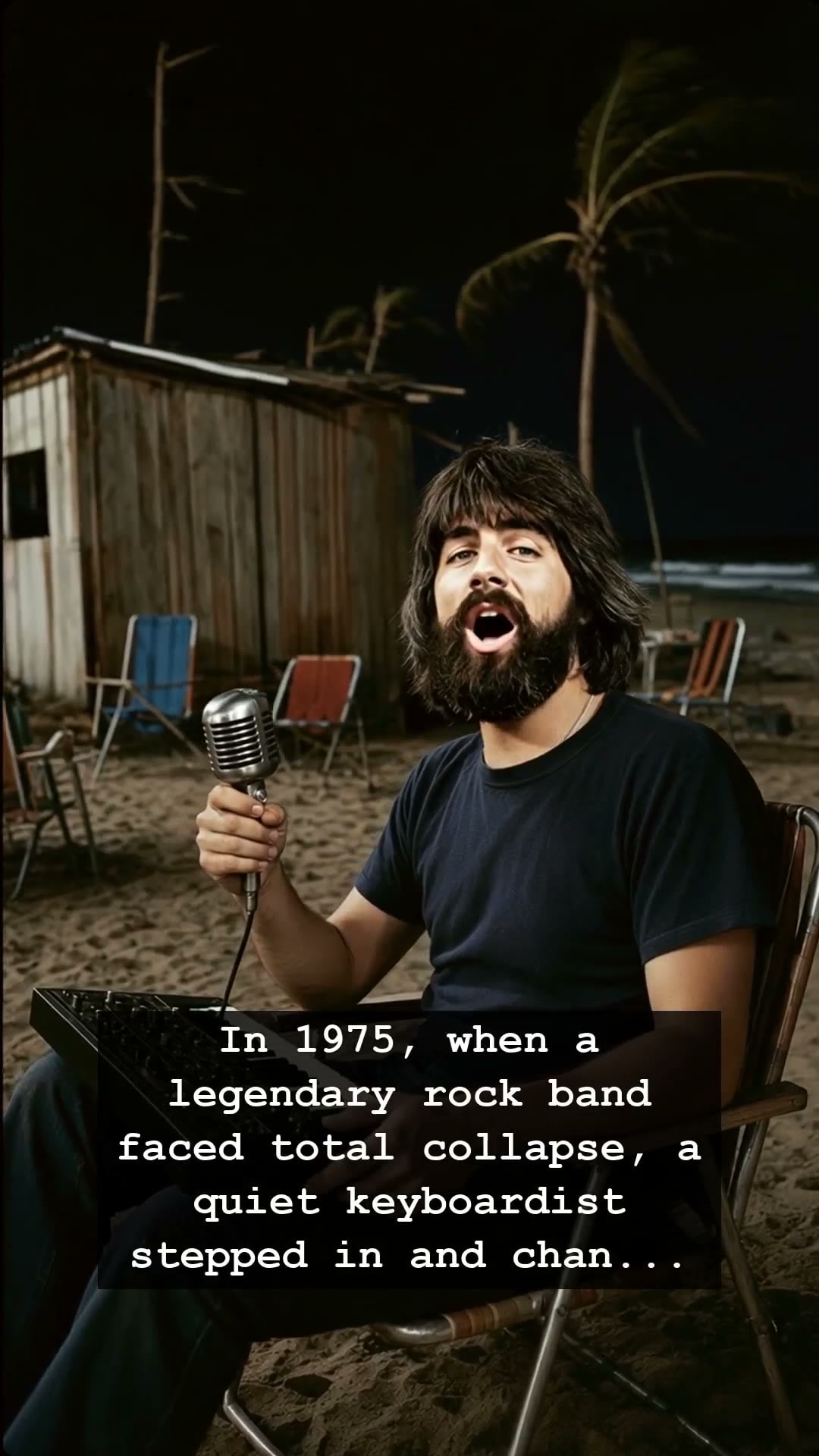
In the sweltering heat of the mid-1970s, the dream was dying for The Doobie Brothers. Behind the scenes, the high-octane biker-rock outfit was spiraling toward an unceremonious end. Their powerhouse frontman, Tom Johnston, had been sidelined by a debilitating illness, leaving the band adrift in a sea of exhaustion and uncertainty. The music industry was shifting, the heavy riffs were losing their luster, and the group seemed destined to become a mere footnote in the annals of classic rock. But in the shadows of the recording studio, a soft-spoken keyboardist named Michael McDonald was waiting in the wings, ready to pull off a transformation that would defy every expectation.
When Michael McDonald stepped into the fold, he brought with him a sound that had never been part of the band’s DNA. He wasn’t just a replacement; he was a sonic architect. With his soulful, velvet-rich baritone and an uncanny sense of jazz-inflected harmonies, he began to steer the ship away from the rugged highways and into the sleek, neon-lit soundscapes of blue-eyed soul. The transition wasn’t seamless, and the friction within the ranks was palpable, yet the resulting magic was undeniable. Tracks like Takin’ It to the Streets didn’t just save a band; they redefined the aesthetic of the entire era.
This was the dawn of the late seventies, a time when the world was beginning to trade the grittiness of Woodstock for the smooth, polished production of the FM radio era. Michael McDonald became the heartbeat of this cultural shift. His influence permeated the airwaves, moving from the cluttered, cigarette-stained green rooms of crumbling concert halls to the pristine, high-fidelity sound systems of suburban living rooms. He turned the raw, restless energy of a rock band into something sophisticated, melodic, and deeply emotional, effectively turning the page on a chapter that many thought had already been closed.
What makes the story of Michael McDonald so compelling is how he bridged the gap between worlds. He managed to maintain the credibility of a rock musician while embracing the complexity of R&B and gospel, a fusion that gave the band a second life that lasted far longer than anyone anticipated. It was a high-stakes gamble born of necessity, but it proved that sometimes the greatest evolution happens when a group is pushed to the very brink of disaster. The pressure of that period, the internal tension, and the desperate scramble for a new identity created a unique alchemy that remains inimitable to this day.
Looking back at that pivotal year in 1975, it is clear that Michael McDonald was the catalyst for an enduring legacy. He turned a failing enterprise into a gold-plated staple of American radio, ensuring that The Doobie Brothers would remain household names for decades to come. As we listen back to those golden chords today, we aren’t just hearing a band reinventing themselves; we are hearing the sound of a man who changed the course of music history by simply sitting down at the piano.