
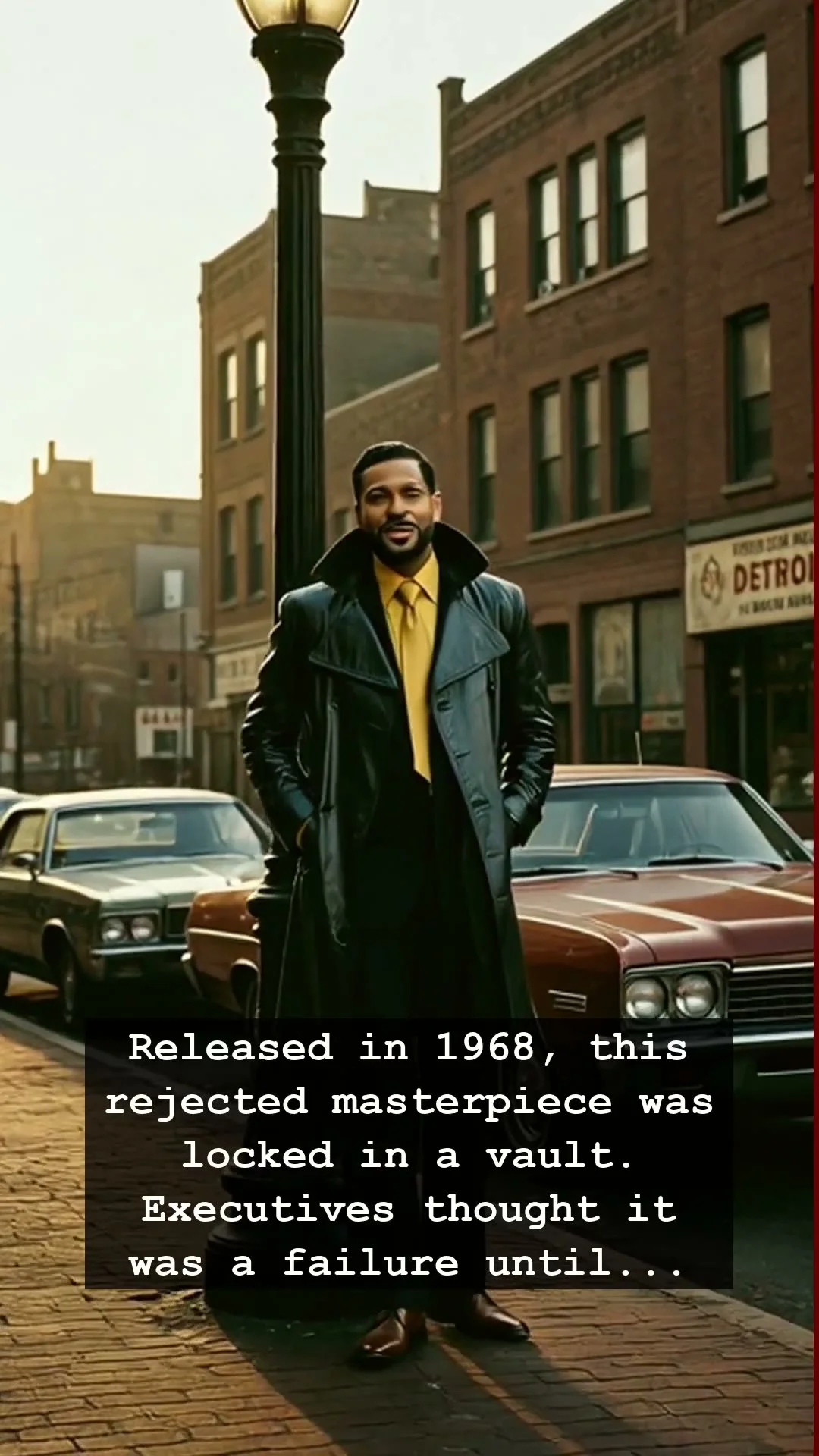
In the golden era of 1968, the polished halls of Motown Records were ruled by strict formulas and an obsession with perfection. It was an age of the Jukebox and the spinning vinyl, where a single misstep could vanish an artist into the shadows. Amidst this high-pressure environment, Marvin Gaye recorded a song that would eventually define a generation, yet it was initially met with cold indifference. The executives, convinced that the track lacked the commercial polish of the time, decided it was a failure. For a fleeting moment, this soul masterpiece was destined to be locked in a vault, hidden away from the world that desperately needed to hear it.
Marvin Gaye was more than just a performer; he was a tortured visionary whose voice carried the weight of a changing America. While the world outside was gripped by the shifting tides of the Vietnam War and the civil rights movement, Gaye was fighting his own internal battles within the studio. The song in question, I Heard It Through the Grapevine, was not just another pop ditty. It was a haunting, desperate confession of paranoia and betrayal that defied the upbeat Motown sound of the era. The label brass preferred a lighter touch, but Marvin insisted on the darker, grittier interpretation that spoke to the raw human experience.
When the track was finally released, it shattered every expectation. It didn’t just climb the charts; it dominated them, becoming an unstoppable force that redefined the boundaries of soul music. Hearing that iconic opening bassline today instantly transports the listener back to a time of transistor radios and dimly lit dance halls. It remains a testament to Marvin Gaye and his ability to see truth where others only saw risk. His refusal to conform to the label’s corporate image became a hallmark of his artistic integrity, a quality that defined his entire career during the late sixties and early seventies.
Looking back, it is chilling to think how close we came to never hearing this definitive version of the song. Had it stayed buried in that vault, the landscape of soul music would have been fundamentally altered. The legacy of Marvin Gaye is built on these moments of defiance—times when he prioritized his artistic vision over the demands of the music industry. It is this authentic, often painful, vulnerability that keeps fans returning to his records decades later, whether they are playing his vintage albums on a high-end turntable or streaming his hits through modern technology.
Today, the story of this song serves as a reminder that true art often faces initial rejection. Marvin Gaye taught us that the most enduring music is that which refuses to play by the rules. As we reflect on his contribution to history, we celebrate the courage it took to challenge the giants of his industry. His voice remains a timeless anchor, reminding us that even the most fragile, rejected melodies can change the world if given the chance to be heard. Do you remember where you were when you first heard the opening notes of his greatest anthem?