
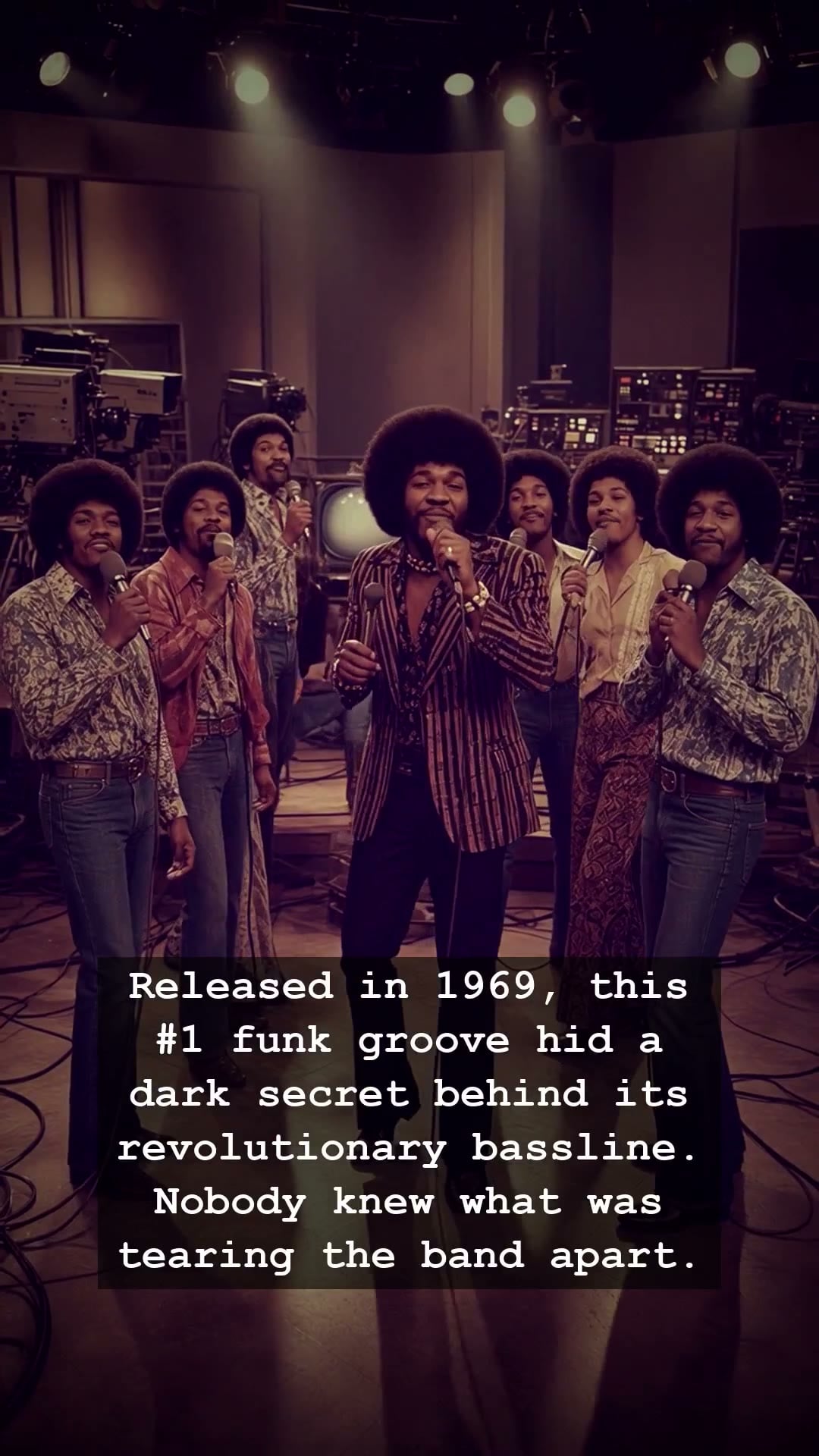
In the sweltering heat of 1969, a revolutionary sound was emerging from the Bay Area that would change the trajectory of American music forever. While the world was fixated on the cultural explosion of Woodstock, Sly Stone and his band, Sly and the Family Stone, were busy perfecting a bone-rattling bassline that would define the funk genre. Their chart-topping hits were celebrated as anthems of racial harmony and psychedelic joy, yet behind the neon-lit stage, a different narrative was unfolding. That infectious groove was hiding a dark, fracturing reality that eventually threatened to tear the soul out of one of the most innovative acts in history.
Sly Stone was a musical visionary, a man who shattered the barriers between funk, soul, and rock. His music felt like a revolution you could dance to, yet the internal landscape of the band was far from harmonious. The pressure of stardom, fueled by the relentless demands of the music industry and the escalating use of illicit substances, began to erode the trust within the collective. These were not just musicians playing in a studio; they were a social experiment living through the volatile tail end of the sixties, caught in a whirlwind of ego, artistic conflict, and the crushing weight of expectation.
Deep racial tensions and personal rivalries simmered beneath the surface of the Family Stone’s vibrant aesthetic. While the public saw a diverse, smiling ensemble symbolizing the utopian dreams of the era, the reality was a fractured group struggling to reconcile their individual identities with the demanding persona of Sly Stone. The studio became a pressure cooker where brilliance was born, but stability was sacrificed. As fame skyrocketed, the bonds that once held the group together as a tight-knit unit began to fray under the strain of exhaustion and divergent life paths.
This era was defined by the transition from the communal vibes of the mid-sixties to the glitz and eventual excess of the coming decade. Sly Stone stood at the epicenter of this shift. He was a master of the stage, but his personal demons were becoming impossible to ignore. There were instances where rehearsals descended into chaos and late-night recordings turned into bitter arguments, far removed from the infectious positivity found on the vinyl records spinning in every jukebox across America. The darkness within the band was the unspoken cost of their revolutionary sound.
Today, the legacy of Sly Stone remains a complex tapestry of triumph and tragedy. We listen to these funk masterpieces and feel the raw energy that defined a generation, often forgetting the human cost embedded in those tracks. The story of the Family Stone is a haunting reminder that even the most vibrant art can emerge from the shadows of personal turmoil. As we look back through the lens of history, we find that the true magic of their work was not just in the notes themselves, but in the fragile, human struggle that made them possible.