
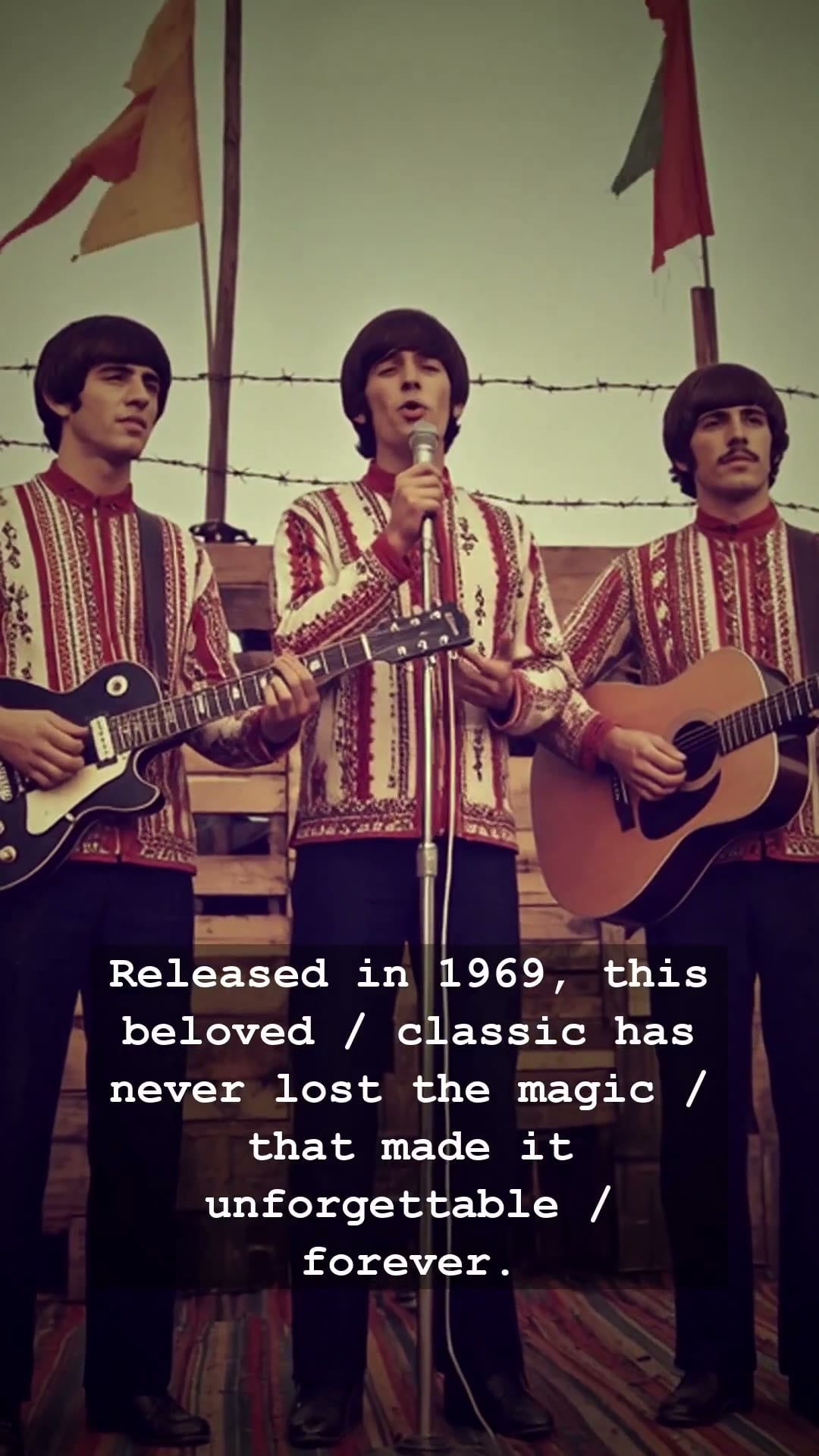
It is the summer of 1969, and the air crackles with a strange, transformative energy. As you flip the switch on your wooden-cased radio or place the needle carefully onto a spinning vinyl record, a haunting three-part harmony washes over the room. It is the sound of Crosby Stills and Nash, a trio that would define the sonic landscape of a generation. If you grew up with their music, you never truly left that era; those melodies remain etched in your soul like a permanent ink. But behind the lush, ethereal vocal layers of their most beloved classic, there lies a history marked by ego, addiction, and the fragile brilliance of three men caught in the crossfire of their own rising fame.
To understand the magic of Crosby Stills and Nash, one must look at the cultural collision of the late sixties. They were not just a band; they were a supergroup assembled from the ruins of other legends. David Crosby, Stephen Stills, and Graham Nash carried the baggage of the Byrds, Buffalo Springfield, and the Hollies into the studio. The chemistry was instantaneous, yet volatile. While the world was watching the flickering screens of early color television sets and feeling the seismic shifts of the post-Woodstock movement, these three were navigating a labyrinth of personal demons. Their 1969 debut album was the soundtrack to a counterculture that was simultaneously reaching for enlightenment and falling into the dark abyss of the rock and roll lifestyle.
The friction between them was the secret ingredient that made their music so painfully resonant. David Crosby, with his signature intensity, often clashed with the perfectionist drive of Stephen Stills, while Graham Nash served as the harmonic glue holding the wreckage together. Their lyrics mirrored this tension, capturing the fleeting innocence of the Woodstock era before it inevitably curdled into the cynical grit of the seventies. Every chord change was a battle, every vocal take a negotiation. They were the architects of the Laurel Canyon sound, yet they were often burning their own house down from the inside out just to stay warm in the harsh glare of the spotlight.
Even decades later, playing these tracks on a modern sound system brings back the specific smell of dusty vinyl and the hum of a tube amplifier. It is a sensory time machine that transports you back to a time when music felt like a revolution. Why does this music still give us chills today? It is because Crosby Stills and Nash were not interested in presenting a polished, corporate image. They were raw, they were flawed, and they were profoundly human. Their songs are bridges across time, connecting the optimistic idealism of our youth to the complex reality of our current lives.
As you listen to their work today, remember that the beauty you hear was forged in the heat of monumental conflict. They stood at the epicenter of a cultural earthquake, yet their voices aligned with such eerie precision that it felt divine. Take a moment to sit back, close your eyes, and let that legendary harmony carry you home. The story of Crosby Stills and Nash remains one of the most compelling narratives in music history, proving that even the most fractured souls can create something that lasts forever. Do you still remember every single word to their magnum opus?