
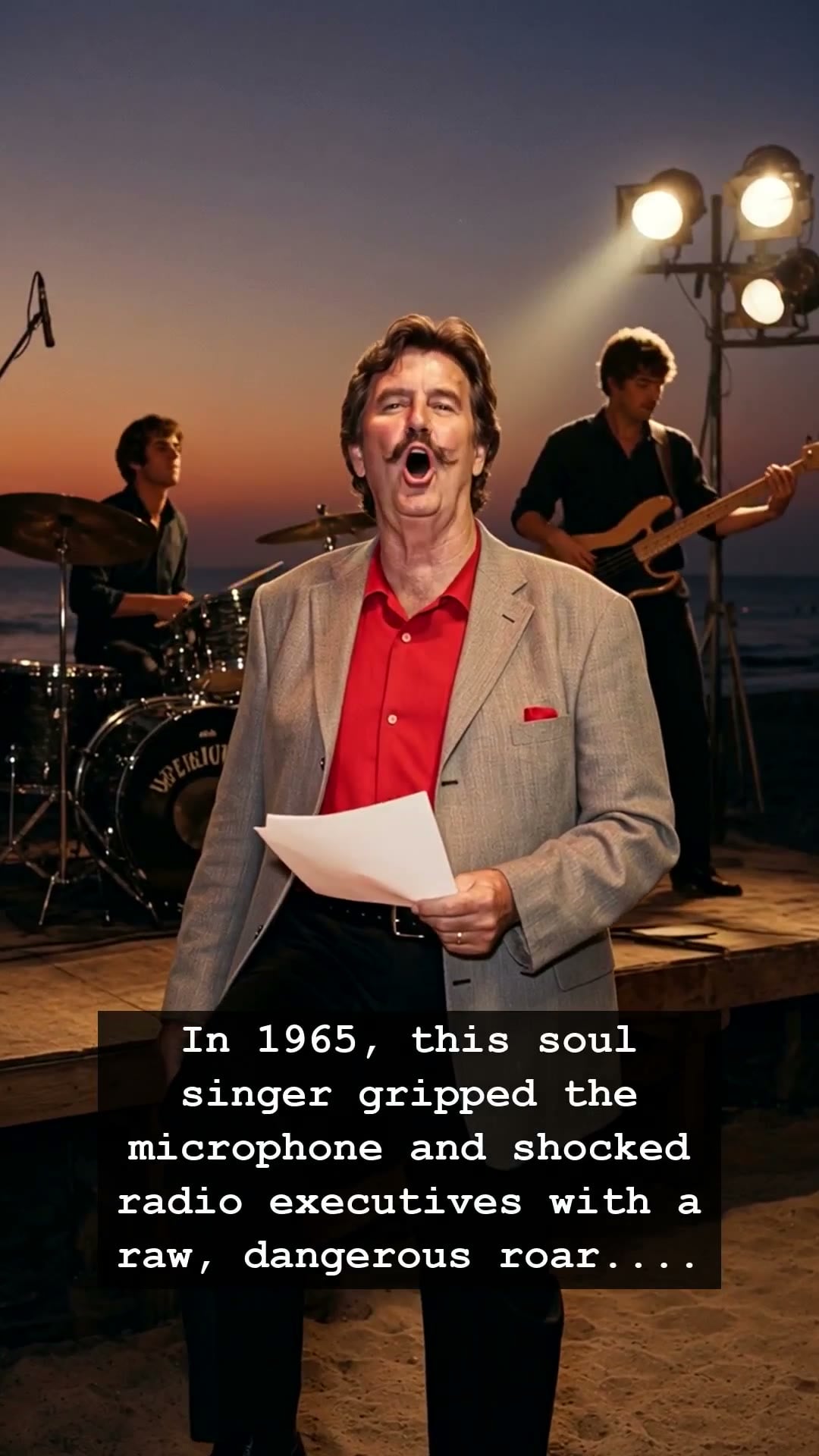
In the golden age of American soul, before the polished synthesizers of the eighties took over, there existed a voice that sounded less like a man and more like a force of nature. In 1965, Wilson Pickett stepped into the recording booth, gripped the microphone with a white-knuckled intensity, and unleashed a gospel-infused roar that rattled the very foundations of the music industry. To radio executives accustomed to the smooth, radio-friendly crooning of the day, the raw power of Wilson Pickett was considered downright dangerous. It was untamed, visceral, and felt like a rhythmic strike against the status quo of mainstream broadcasting.
Born in the humid, gospel-rich atmosphere of Alabama, Wilson Pickett brought the fervor of the church straight into the secular sweat of the dance floor. When he arrived at the legendary Stax and Fame studios, he wasn’t looking to blend in. He was looking to ignite a fire. His vocal style was a jagged edge that cut through the polite arrangements of the era, pushing the limits of what listeners expected from a soul record. Industry bigwigs initially feared that this level of raw energy would alienate audiences, yet they drastically underestimated the hunger of a generation ready for something authentic and unvarnished.
This was a time when the Jukebox served as the heartbeat of American culture, and when Wilson Pickett released hits like In the Midnight Hour, he didn’t just top the charts; he claimed the airwaves with a sound that demanded total attention. He wasn’t just performing; he was exorcizing demons through melody. The friction in his voice mirrored the growing tensions of the American landscape, acting as a sonic bridge between the traditional blues of the past and the explosive, socially conscious soul that would define the late sixties. Every scratchy 45-rpm record spinning on a turntable was a testament to his sheer, unadulterated passion.
Beyond the studio walls, the life of Wilson Pickett was a volatile mix of staggering talent and the dark pressures of overnight fame. The lifestyle of the era—fueled by long nights, grueling tour schedules, and the intoxicating highs of stardom—often caught up with the brightest stars of the Motown and Southern soul scene. Yet, even as he navigated the treacherous waters of the music industry, his impact remained immovable. He proved that music didn’t have to be perfect to be profound; it just had to be real. His presence on stage was a masterclass in controlled chaos that left audiences breathless and transformed.
Decades later, the echo of that 1965 recording still resonates with anyone who understands the true meaning of soul. While musical trends shifted from the gritty analog vibes of the mid-sixties to the neon-lit excess of Studio 54 and the eventual birth of MTV, the legacy of Wilson Pickett remains a cornerstone of American music history. He wasn’t just a singer; he was a revolutionary who dared to be too loud and too real for a world that preferred things quiet. Do you still remember that voice? Even now, it carries the weight of a generation that found its pulse in the grit of his soul.