
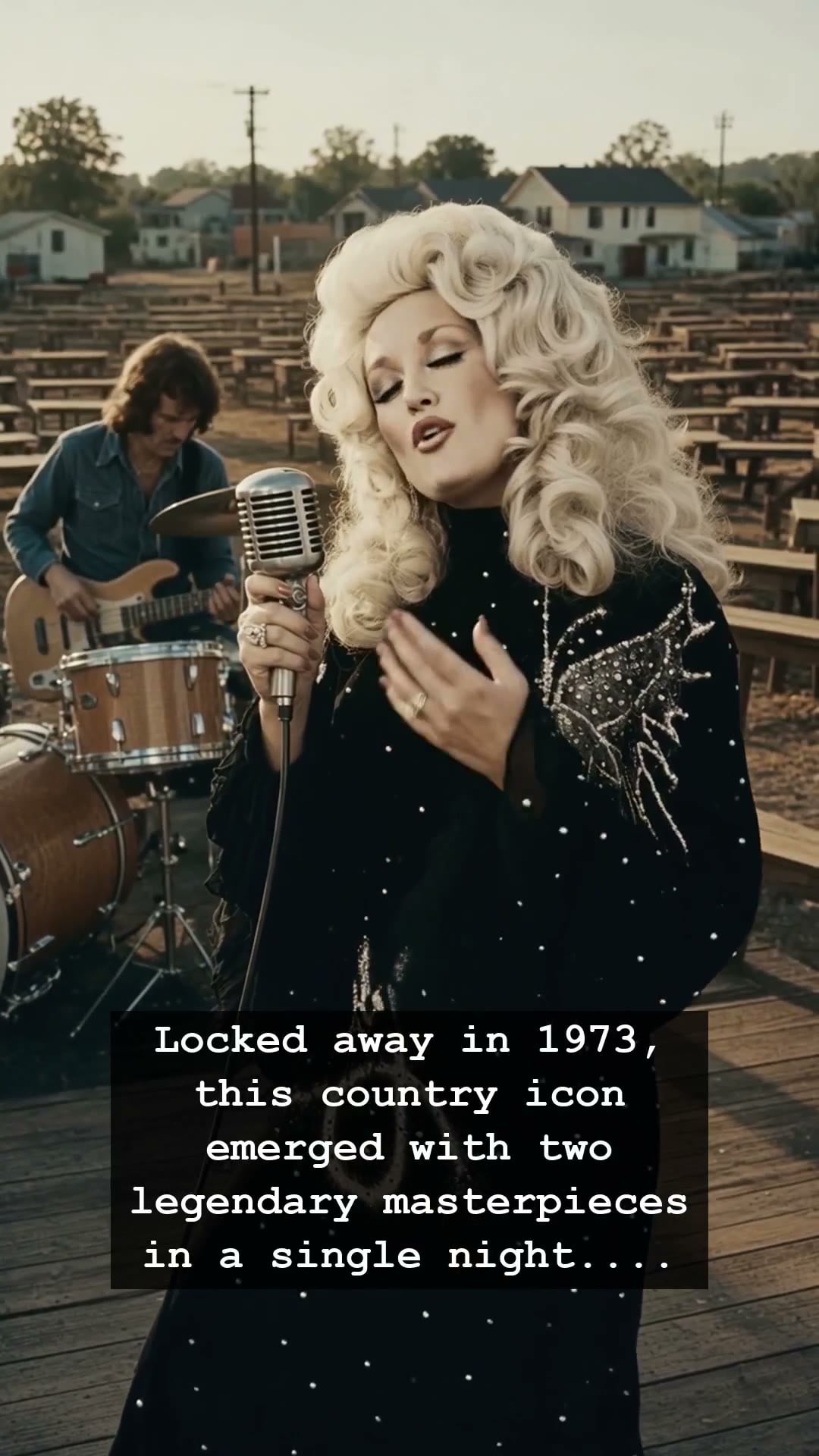
The year was 1973. While the world was obsessed with the glitz of the burgeoning disco scene and the grit of stadium rock, one woman was locked away in a quiet room, confronting the deepest vulnerabilities of her soul. Dolly Parton, already a star, was about to undergo a metamorphosis that would cement her status as a songwriting titan. In a single, sleepless night of raw emotion and creative fever, she birthed two of the most enduring anthems in the history of music: Jolene and I Will Always Love You. It is a moment of artistic legend that feels almost too cinematic to be true, yet it remains the cornerstone of her storied career.
To understand the magnitude of this night, one must look at the landscape of 1970s country music. It was a time when the Jukebox was the heartbeat of every small-town diner and the radio was the primary vessel for storytelling. Dolly Parton was navigating the complex pressures of fame, managing the delicate balance between her undeniable talent and the expectations of the industry. As she sat with her guitar, the air thick with the quiet intensity of solitude, she wasn’t just writing songs; she was exorcising ghosts. Jolene captured the universal, frantic ache of jealousy, while I Will Always Love You served as a poignant, dignified goodbye to her mentor and creative partner, Porter Wagoner.
What makes this night so captivating to historians and fans alike is the sheer contrast of the two songs. Jolene is a high-speed, heart-pounding narrative of insecurity that echoes with a rhythm as persistent as a ticking clock. In contrast, I Will Always Love You is a slow-burning masterpiece of grace and heartbreak. Both songs showcase the profound emotional intelligence that has always defined the music of Dolly Parton. She possessed an uncanny ability to turn her personal turmoil into universal human experiences, a skill that allowed her songs to transcend the borders of the country genre and touch the hearts of listeners everywhere.
These tracks were more than just hits; they were cultural milestones. Years later, when Whitney Houston famously reimagined the latter for the era of MTV, it proved that the genius of a Dolly Parton composition is timeless, capable of crossing generations and sonic boundaries. Yet, for those who remember the early seventies, nothing compares to the intimacy of the original versions. There is a haunting quality in the way her voice cracks with genuine sorrow, a stark reminder of the isolation she felt during that transformative night.
Even decades later, we still find ourselves returning to these songs. They represent the golden age of songwriting, where the artist stood naked before the audience, armed with nothing but a pen, a guitar, and the truth. As we look back on the career of this country music icon, we are reminded that true art is often forged in the fires of personal struggle. Dolly Parton did not just write music that night; she captured the essence of the human condition, and we are forever better for having listened.