
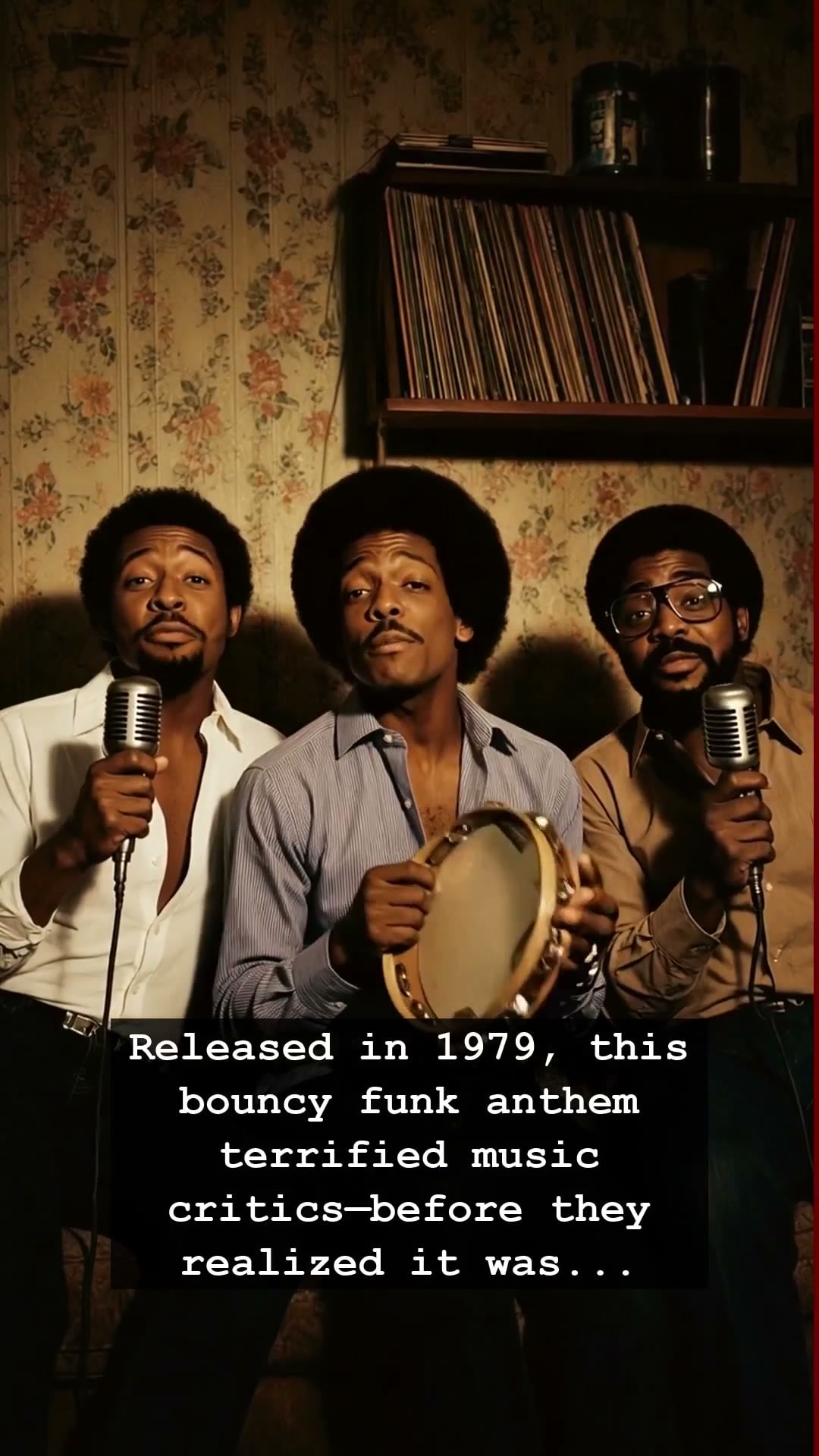
It was 1979, the era of disco glitter and the fading echoes of a turbulent decade. Music critics were clutching their pearls, terrified by a sound that felt raw, unrefined, and dangerously infectious. They dismissed it as a fleeting curiosity, failing to realize they were witnessing the birth of a cultural earthquake. That sound belonged to The Gap Band, a group from Tulsa, Oklahoma, who dared to push the boundaries of funk into something heavier, deeper, and infinitely more rhythmic. When that signature bassline hit the airwaves, it didn’t just top the charts; it planted a seed that would eventually bloom into the heartbeat of nineties West Coast hip-hop.
At the time, the air was thick with the scent of vinyl and the neon glow of the Jukebox era. The Gap Band was operating in a landscape dominated by polished studio productions, yet they chose to lean into the dirt and grit of pure, unfiltered funk. Their music was a visceral experience, a hypnotic loop that seemed to defy the conventions of traditional pop radio. While the establishment looked down their noses at the ‘bouncy’ nature of the track, the streets were listening. It was an aesthetic rebellion, a sonic blueprint that favored the groove above all else. They transformed from a regional soul band into architects of a new American sound, though they had no idea just how massive their legacy would become.
Fast forward to the nineties, and you could hear the ghosts of The Gap Band lurking in every corner of Los Angeles. When G-funk icons like Dr. Dre and Snoop Dogg began dominating the airwaves, they weren’t just inventing a genre; they were mining the golden vault of seventies funk. The unmistakable, deep-pocket groove that The Gap Band perfected became the DNA of the West Coast sound. Every time you heard that synthesized, bouncy bassline vibrating through a car stereo, you were hearing the secret, long-lost influence of those Tulsa brothers who dared to disturb the peace back in 1979.
There is something profoundly melancholic yet exhilarating about how this history unfolded. The Gap Band never fully received the mainstream critical accolades they deserved at the height of their powers, precisely because their sound was so ahead of its time it frightened the gatekeepers. They were the bridge between the analog soul of the seventies and the digital-heavy production of the nineties. Their story is a reminder that the most revolutionary art is often the stuff that makes the experts uncomfortable at first. It takes decades for the dust to settle and for the true innovators to be recognized for the blueprints they left behind.
Today, listening to their records feels like stepping into a time machine. It is a portal to an era of high-waisted flares, hazy studio sessions, and the slow climb toward the hip-hop explosion. We owe so much of our modern sonic landscape to those early, misunderstood funk pioneers. So, the next time you hear that familiar, infectious groove, take a moment to honor the visionaries behind it. The Gap Band may have started as a target for critics, but they ended up becoming the eternal foundation for the soundtrack of our lives.