
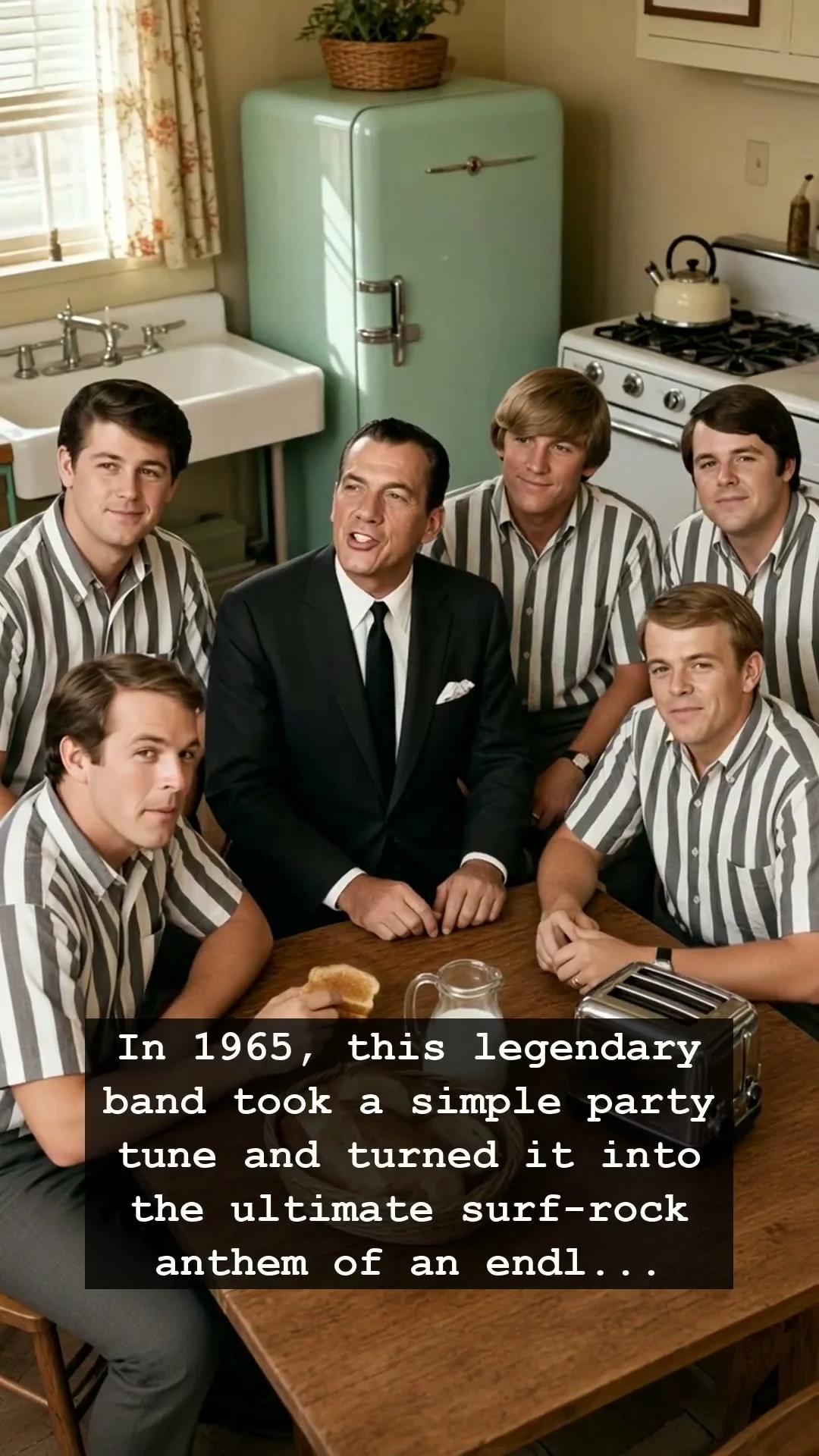
It started as a simple, upbeat party tune—a carefree melody that promised nothing more than sun, sand, and the thrill of the ride. Yet, by 1965, The Beach Boys had inadvertently pushed the boundaries of pop music, transforming surf-rock into a sophisticated, multi-layered anthem of an endless summer. While the public heard only the bright, breezy harmonies of youth, the reality inside the recording studio was far more turbulent. The Beach Boys were not just making music; they were fighting a silent, desperate battle to redefine the limits of what a rock band could achieve under the watchful, often suffocating, gaze of Brian Wilson.
The 1960s were a time of rapid cultural transformation, moving from the innocence of the jukebox era toward the experimental edge of psychedelia. The Beach Boys stood at the epicenter of this shift. While their peers were content with three-chord hits, Brian Wilson was becoming obsessed with the complex, symphonic potential of the studio itself. He treated the recording deck like a canvas, layering instrument upon instrument, creating a sonic texture that mirrored the golden hue of a West Coast sunset. This obsession turned the band into perfectionists, pushing their relationships to the breaking point as internal creative control became a heavy, divisive burden.
Behind the smiling faces and the pristine surf-board imagery lay a darker narrative. The pressures of international fame and the relentless demand for more hits began to fracture the group. Internal conflicts bubbled beneath the surface as the band struggled to balance the commercial success expected of them with the artistic evolution Brian was desperate to pursue. It was a classic tale of genius clashing with the commercial machine of the music industry. The studio became their sanctuary and their prison, a place where the magic of harmony met the harsh reality of mental exhaustion and drug-fueled creative strain.
What made the band’s music resonate so deeply was this very paradox. The Beach Boys sang about an idealized California lifestyle that felt untouchable, yet their sound was grounded in the authentic, raw complexity of their own fractured lives. When you listen to those classic tracks today, you aren’t just hearing a song about waves or girls; you are hearing the echo of an era that was desperately trying to hold onto its youth. The music carries a weight, a certain melancholy that hides just beneath the surface of the shimmering, sun-drenched production.
Even decades later, the legacy of The Beach Boys remains a central pillar of American rock history. They captured a specific moment in time—a brief window where the optimism of the early sixties began to bleed into the deeper, more introspective waters of the late sixties. Their story is a reminder that the most beautiful, enduring art often comes from the most intense internal fires. As the needle drops on a worn vinyl record, the nostalgia is palpable. We aren’t just listening to melodies; we are remembering a lost version of ourselves, caught in the eternal drift of that California dream.