
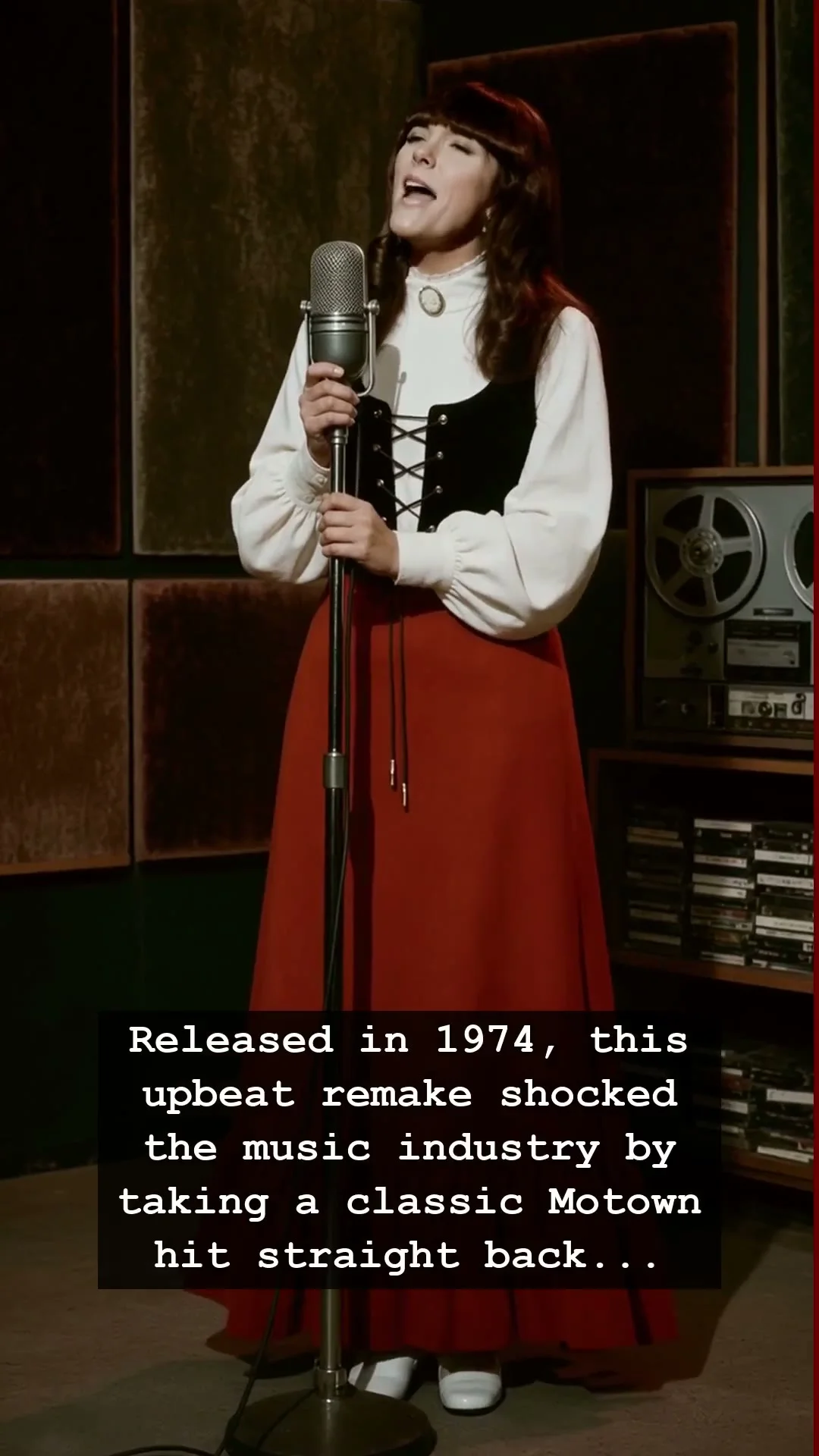
It was 1974, the golden era of the analog sound, when the world was turning from the disco fever of Studio 54 to the polished production of the radio airwaves. Most listeners expected The Carpenters to remain in their lane of soft, melancholic balladry. Yet, they did the unthinkable. They took a gritty, soul-drenched Motown classic—Please Mr. Postman—and transformed it into a crisp, upbeat pop masterpiece that climbed straight to the top of the Billboard charts. It was a bold artistic pivot that left music critics stunned and proved that Karen and Richard Carpenter had a sharper instinct for commercial hits than anyone dared to imagine.
To understand the magnitude of this achievement, you have to remember the cultural landscape of the seventies. The airwaves were crowded with heavy rock and burgeoning disco, yet the brother-sister duo managed to cut through the noise with nothing but impeccable harmonies and Richard’s genius studio arrangements. While some purists whispered that it was a sacrilege to touch a track made legendary by The Marvelettes, The Carpenters poured a fresh, sun-drenched California gloss over the Motown rhythm. It was a stylistic clash that somehow bridged the gap between Detroit’s soul roots and the polished pop aesthetic that would eventually define the late decade.
Behind the curtains, however, the life of The Carpenters was far more complex than their bright, melodic records suggested. The pressure of maintaining their squeaky-clean image amidst the relentless touring schedules of the seventies began to take its toll. During the production of this era, the studio became both a sanctuary and a cage for Karen, whose haunting, contralto voice remains one of the most recognizable instruments in American music history. Her perfectionism was legendary, often spending hours layering vocal tracks to achieve that signature, ethereal sound that we all remember hearing on our cassette players and home stereos.
There is something deeply poignant about listening to this track today, knowing what we know about the shadows that eventually darkened the duo’s rise to fame. The song radiates a youthful, infectious energy that feels almost at odds with the private struggles the pair faced behind closed doors. Yet, that is the paradox of their legacy; they provided the world with a sense of comfort and stability, even as their own lives were increasingly strained by the crushing weight of fame and the rigid expectations of the music industry in the post-Woodstock world.
Even decades later, hearing that iconic opening drum fill feels like stepping back into a simpler, analog time. The Carpenters did not just record a song; they captured the spirit of a transitional decade, proving that a great melody, no matter its origin, could transcend genre and time. As we look back on their massive catalog, it is this specific 1974 triumph that stands as a testament to their enduring influence. Whether you heard it on a grainy car radio or a pristine vinyl pressing, the song remains a timeless heartbeat of the American pop experience.