
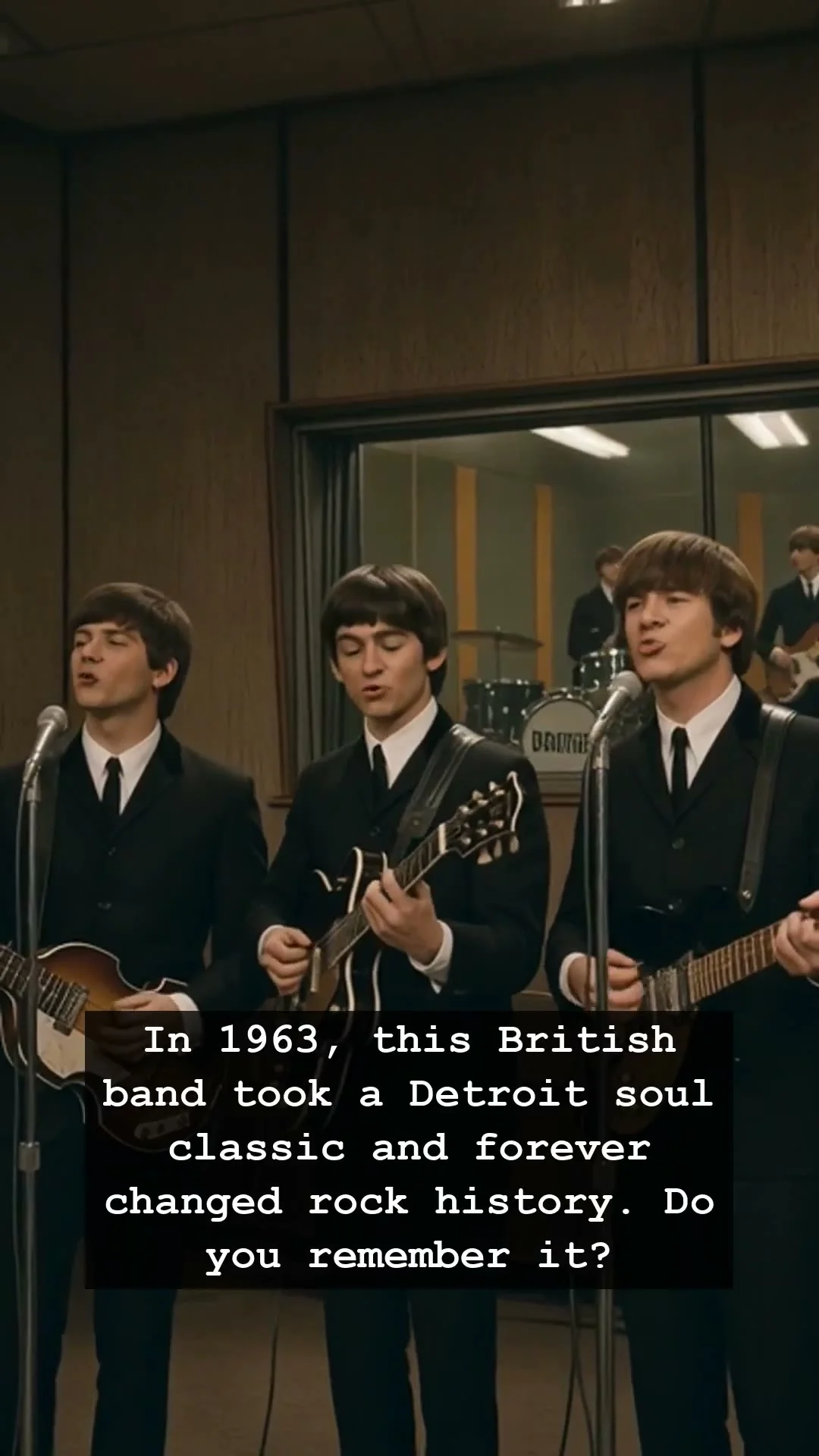
It was 1963, a year when the world felt like it was shifting on its axis. Across the Atlantic, a group of four mop-topped lads from Liverpool were still polishing their act in dimly lit clubs, while in Detroit, the Motown sound was defining the heartbeat of a new American generation. But amidst this musical divide, The Beatles did the unthinkable. They looked toward the soulful, rhythmic gospel-inflected magic of American R&B and decided to claim it as their own. When they recorded their version of The Marvelettes’ Please Mr. Postman, they weren’t just covering a song; they were initiating a fearless collision between British rock and Detroit soul that would echo through the decades.
At the time, the airwaves were still ruled by the crackle of the Jukebox and the emerging influence of transistor radios. While the establishment expected these British newcomers to fade away like so many other seasonal acts, The Beatles had a different plan. By stripping back the glossy production of the original Motown hit and injecting it with a raw, guitar-driven urgency, they bridged a cultural gap that few thought possible. It was a bold, almost reckless move that captured the hungry spirit of a band standing on the precipice of global superstardom.
This wasn’t just about melody; it was about an emotional alchemy. John Lennon’s vocal performance on the track carried a grit and exhaustion that felt entirely new to the suburban youth of the era. The internal friction of the band, already beginning to feel the crushing weight of their growing fame, channeled into the performance. They were four young men trying to capture the lightning of an American sound they idolized, all while struggling to find their own identity within a rapidly changing industry that was just beginning to understand the power of the youth movement.
The impact of this collision was seismic. By bringing American soul to the forefront of the rock scene, The Beatles helped cultivate a sound that would eventually pave the way for the British Invasion. It remains a fascinating moment of musical history—a snapshot of a band that had not yet become the larger-than-life icons of the psychedelic era, but were already masterfully manipulating the sounds of their predecessors to create something that felt dangerous, fresh, and irresistibly vibrant.
Even today, listening to the crackling vinyl of that 1963 session transports you back to a simpler, more innocent time. It reminds us that before the stadium tours and the complex studio experiments, there was just the music and the raw ambition of four guys in a room. The Beatles proved that even when you borrow from the best, if you add your own soul, you can change the world forever. It is a timeless lesson in how a simple love for a song can rewrite the history of rock and roll, leaving a legacy that still vibrates in our speakers every time the needle drops.