
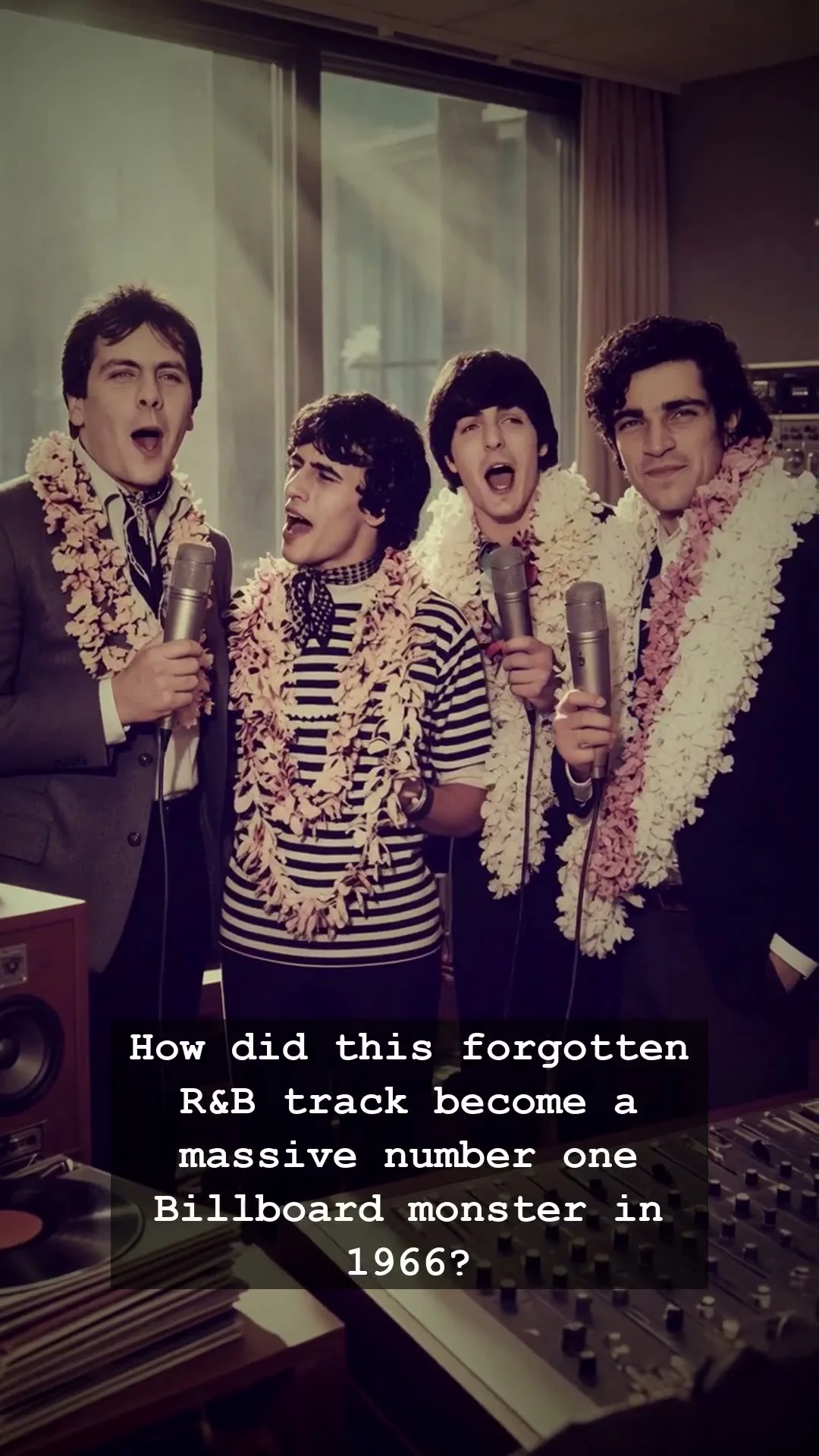
It started in the dimly lit, smoke-filled basements of the mid-sixties, where the air was thick with the scent of cheap beer and the raw ambition of hungry musicians. Before the era of global stadium tours and high-definition music videos, a band known as The Young Rascals was busy rewriting the rules of blue-eyed soul. The year was 1966, a time when the jukebox was the heartbeat of every corner diner in America. In a moment of pure musical alchemy, a largely forgotten R&B track was plucked from obscurity, injected with a lethal dose of garage-rock adrenaline, and transformed into a cultural phenomenon that would dominate the Billboard charts.
The song was ‘Good Lovin’,’ and while it originated as a minor rhythm and blues number, The Young Rascals saw something others had missed. Felix Cavaliere and his bandmates weren’t just playing music; they were capturing the frantic, jittery energy of a generation coming of age amidst the looming shadow of the Vietnam War and the rising tide of the counterculture. By accelerating the tempo and infusing the record with a gritty, sweat-drenched intensity, they turned a standard soul tune into an electrifying manifesto. When the track hit the airwaves, it didn’t just climb the charts; it exploded, becoming a quintessential anthem that defined the transition from the polished pop of the early sixties to the more volatile sounds that would soon define the decade.
Yet, the story of The Young Rascals is more than just a hit single; it is a tale of the volatile chemistry that fueled the greatest rock bands of the era. Much like the tension that would later define the halls of Studio 54 or the sprawling festivals like Woodstock, the success of The Young Rascals brought its own brand of pressure. They were pioneers of a sound that bridged the gap between Motown and the burgeoning garage-rock movement. Their stage presence was legendary, characterized by a raw, unpolished sincerity that made fans feel as if they were witnessing a private rebellion rather than a public performance. Behind the glamour of the number-one hit lay a relentless touring schedule and the grueling reality of life on the road, where the lines between musical brotherhood and personal exhaustion frequently blurred.
The legacy of ‘Good Lovin” remains a testament to the band’s unique ability to reclaim the past while charging headlong into the future. It serves as a time capsule, taking us back to an era where the transistor radio was our only link to the wider world and the sound of an organ solo could change your entire perspective on life. Even today, the track carries that same infectious, restless spirit that propelled it to the top of the charts over half a century ago. It reminds us that sometimes, the most enduring music is born from taking something old and making it dangerously, beautifully new. As we look back, The Young Rascals stand as a reminder that the heart of rock ‘n’ roll has always been about taking risks when nobody is watching. Put the needle on the record, turn the volume up, and let the echoes of 1966 carry you home.