
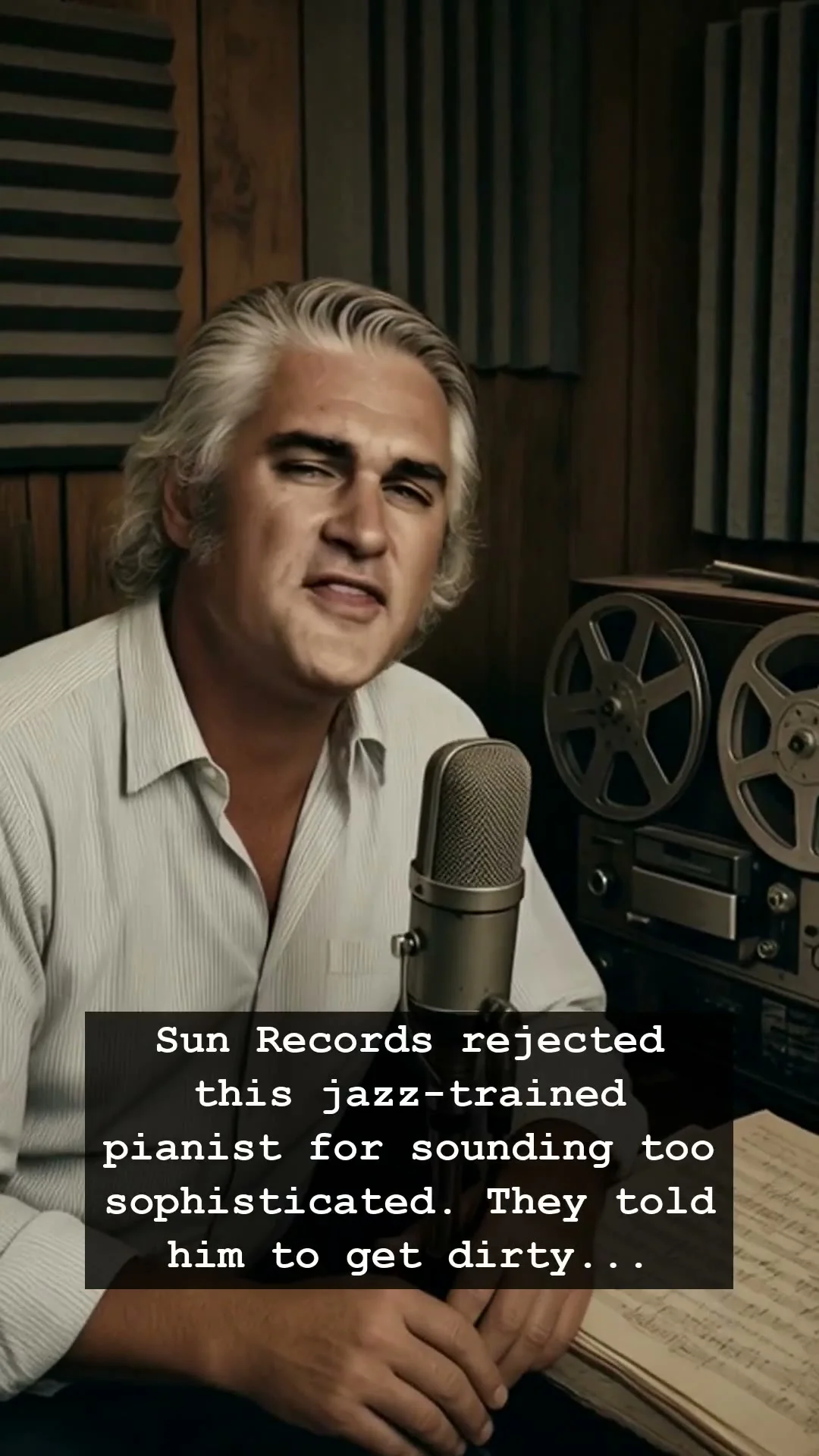
Imagine walking into a legendary studio in 1958, your fingers dancing across the keys with the intricate, polished sophistication of a jazz prodigy, only to be told you are simply too good for the radio. This was the surreal reality for Charlie Rich when he first auditioned for the gatekeepers at Sun Records. To the executives who had built their empire on the raw, unrefined energy of rockabilly icons, the technical mastery of Charlie Rich felt like an alien language. They didn’t want a refined artist; they wanted someone who could get down in the mud and deliver a hit that smelled of sweat and jukebox gin. It is a haunting irony that a man whose voice would later define the sound of an era had to be forced to abandon his own complexity to appease a public hungry for simple, driving rhythms.
Charlie Rich was never destined to be just another cog in the Sun Records machine, yet he played the game long enough to leave his mark. The pressure to conform was immense. In those days, before the rise of the polished MTV aesthetic, the industry was a brutal landscape of trial and error. You were either a blue-collar rebel or you were nothing. Watching Charlie Rich struggle to reconcile his jazz soul with the gritty expectations of the late fifties provides a sobering glimpse into the darker side of fame. The industry wanted the hits, but they inadvertently suppressed a musician who possessed a far more nuanced genius than his counterparts.
It is fascinating to look back at the trajectory of his career through the lens of a changing American landscape. Charlie Rich eventually navigated the waters of country soul with incredible grace, but the scars of those early years remained. He carried the burden of being a perfectionist in a world that often rewarded the accidental. While his contemporaries were chasing the high of sudden stardom, Charlie Rich was often grappling with the internal conflict of an artist who knew his own capabilities exceeded the narrow confines of the pop charts. This tension is what makes his music so profoundly moving decades later.
Today, we listen to his timeless voice and hear the echoes of a man who bridged the gap between the refined parlor and the smokey dive bar. When he eventually hit his stride, that signature, velvet-smooth tone became a beacon of warmth in a rapidly evolving musical climate. The story of Charlie Rich serves as a reminder that the most compelling art often emerges from the friction between who we are and what the world demands us to be. He did eventually find his groove, proving that brilliance, even when delayed or misunderstood, has a way of rising to the top.
As we look back at the era of the jukebox and the soulful crooners who defined the post-war American experience, the legend of Charlie Rich remains particularly resonant. He was a man out of time, caught in the transition between jazz standards and the emerging heart of modern country. Perhaps it was that struggle—that need to be dirty enough for the crowd while remaining pure enough for himself—that gave his music its haunting, lasting power. Next time you spin one of his records, listen closely for the jazz pianist hidden beneath the country legend.