
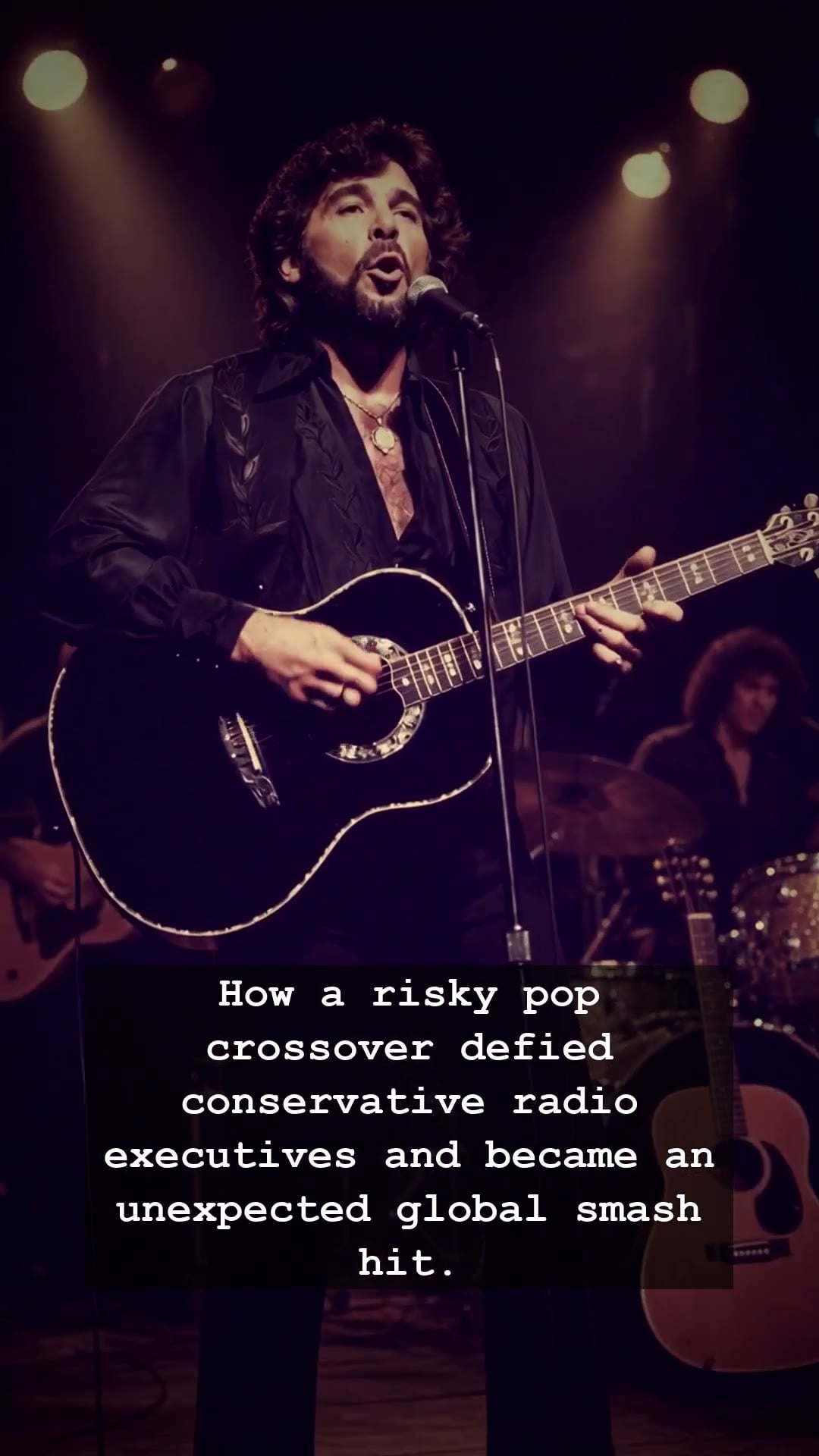
In the smoke-filled boardrooms of 1980s Nashville, the gatekeepers of country radio ruled with an iron fist. They wanted fiddles, twang, and tradition; they certainly did not want the polished, synth-infused production that was beginning to bleed over from the pop charts. When Eddie Rabbitt walked into the studio to record I Love a Rainy Night, he was knowingly playing with fire. The track was a bold, experimental pivot, shedding the safety of pure country roots for a slick, rhythmic sound that felt more at home on a neon-lit Studio 54 dance floor than a dusty honky-tonk. The radio executives were absolutely furious. They saw this pop crossover as a betrayal, a reckless gamble that threatened the very integrity of the country music establishment.
Yet, the magic of that era—defined by the rise of MTV and the ever-shifting landscape of the Walkman generation—was that the audience often knew better than the suits in charge. Eddie Rabbitt was not just a singer; he was a songwriter who understood the pulse of the American public. He knew that the line between genres was becoming a blur. While the critics sharpened their knives, the public was busy tuning in. The song’s driving beat and infectious, whistling hook became an irresistible force. It wasn’t just a country song anymore; it was a universal anthem that defied the rigid categorization of 1980s music, proving that a true hit could bridge the widest of cultural divides.
Behind the success of I Love a Rainy Night lay the complex ambition of a man who refused to be boxed in. Eddie Rabbitt had spent years paying his dues in the industry, and by 1980, he was ready to stake his claim on the global stage. The backlash from country radio was swift, with many stations initially refusing to add the track to their playlists. They feared the synthesizer-heavy intro would alienate their core listeners. Instead, the track exploded. It soared to the top of both the Billboard Hot 100 and the Hot Country Singles charts, a rare feat that proved his instincts were sharper than those of his detractors.
Looking back at that era, it is clear that Eddie Rabbitt was a trailblazer for the genre-bending artists who dominate the charts today. He captured a specific, nostalgic lightning in a bottle, a time when music was transitioning from the organic grit of the 70s to the digital precision of the 80s. He managed to marry the soul of traditional storytelling with the polished, rhythmic excitement of the new decade. Every time that iconic drum beat kicks in, it transports listeners back to a time when radios were the center of the living room and every hit felt like a small miracle of sound.
Decades later, the triumph of Eddie Rabbitt remains a testament to the power of artistic courage. He didn’t just chase a trend; he created his own path, forcing an industry to evolve alongside him. It is a reminder that the best music often comes from the friction between tradition and innovation. So, the next time you hear that familiar rain-drenched intro, remember the fight it took to get it onto the airwaves. Eddie Rabbitt stood his ground, defied the status quo, and in doing so, he left us with a timeless classic that still feels like a rainy night well spent.