
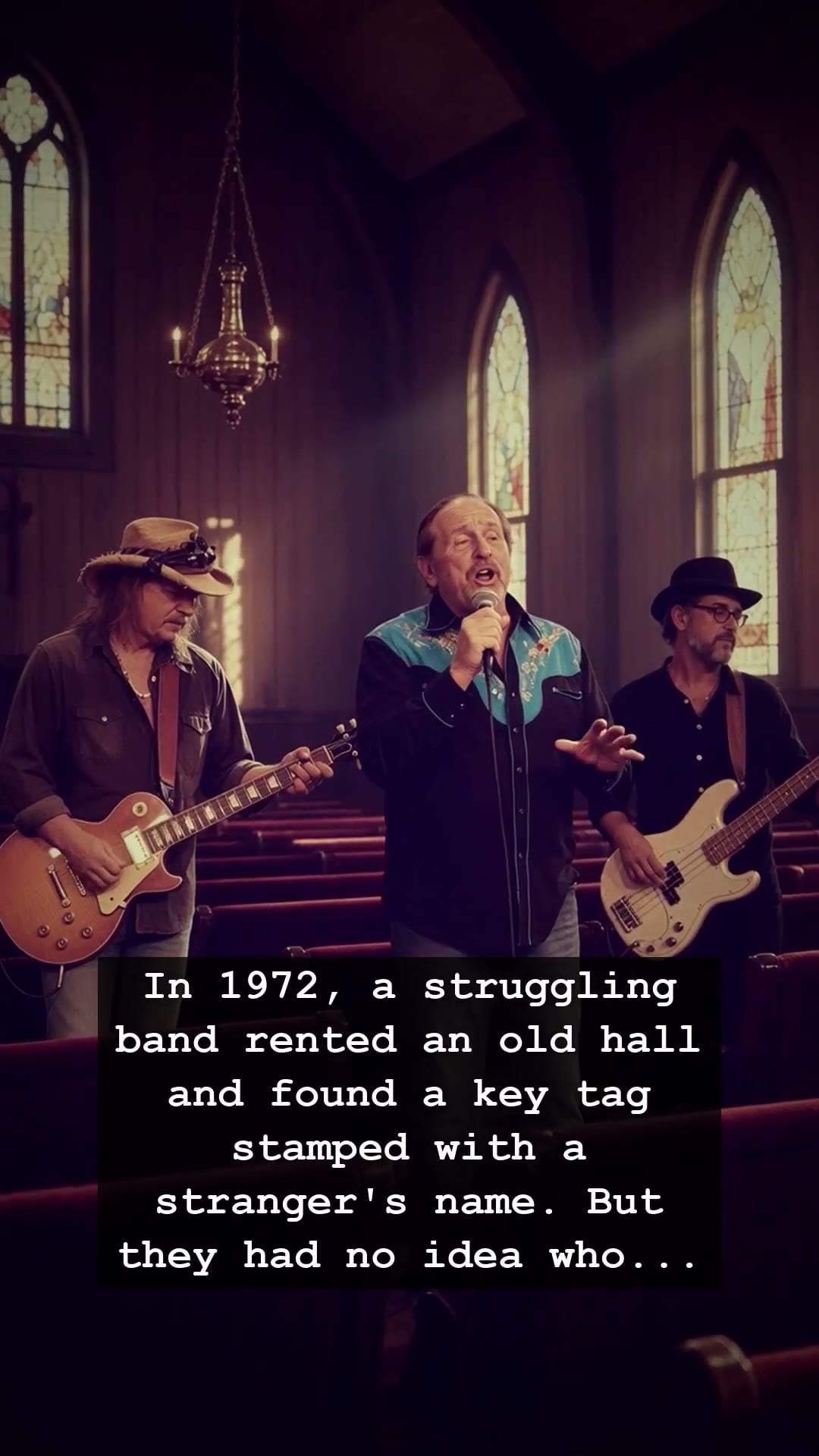
In the sweltering heat of 1972 South Carolina, a group of musicians sat in a drafty, abandoned textile mill, desperately trying to conjure the magic that would eventually define Southern Rock. The Marshall Tucker Band was a group of struggling artists, hungry for a breakthrough and lacking a clear identity. While clearing out their makeshift practice space, the band members stumbled upon a dusty, peculiar item hidden beneath the floorboards: a brass key tag. Stamped clearly onto the cold metal was a name none of them recognized. They had no idea that this single piece of debris would lead them to a story of a blind piano tuner, a forgotten craftsman whose ghostly presence would somehow anchor the soul of their early rehearsals.
The era of the early seventies was a time of immense cultural transition, defined by the grit of the American South and the burgeoning evolution of rock music. The Marshall Tucker Band stood at the crossroads of country, jazz, and blues, an experimental blend that pushed against the polished constraints of the mainstream industry. While other bands of the period were chasing the bright lights of city tours and high-end recording studios, The Marshall Tucker Band was finding its rhythm in the shadows of dilapidated halls, surrounded by the remnants of the past. The mystery key became a strange, unspoken talisman for the group, a reminder that every melody they played was built upon the foundations laid by those who came before them, even those who operated entirely in the dark.
As the band delved into the history of their mysterious key, they discovered it belonged to a blind piano tuner who had worked in the very hall they occupied decades prior. For a band that relied on the intricate interplay of Doug Gray’s vocals and Toy Caldwell’s lightning-fast guitar picking, the story of this invisible artisan struck a deep chord. It served as a poignant metaphor for their own pursuit of excellence in a world that often overlooked the quiet, essential laborers behind the music. The Marshall Tucker Band channeled this feeling into their early songwriting, capturing a sense of longing and authenticity that resonated with listeners who felt similarly disconnected from the slick, mass-produced pop of the decade.
Today, the legacy of The Marshall Tucker Band remains etched in the annals of music history as a testament to the raw, unvarnished spirit of the seventies. Their music remains a staple of classic rock radio, a bridge to a time when songs were played from the heart rather than manufactured in a boardroom. That key, while long lost to time, still represents the discovery of one’s own voice amidst the clutter of history. When we listen to tracks like Can’t You See, we are not just hearing rock music; we are listening to the echoes of an old textile mill, the spirit of a blind piano tuner, and the tireless determination of a band that dared to define a genre.
Every time the needle drops on a weathered vinyl record, the nostalgia of that era comes rushing back, transporting us to a time of Walkmans, dusty basements, and the infinite promise of a new sound. The story of the key reminds us that the greatest music often comes from the most unexpected of beginnings. The Marshall Tucker Band never forgot that lesson, and through their timeless records, neither have we. Next time you find yourself lost in the soulful melodies of the South, remember the blind man and the band that turned a strange relic into a musical legacy.