
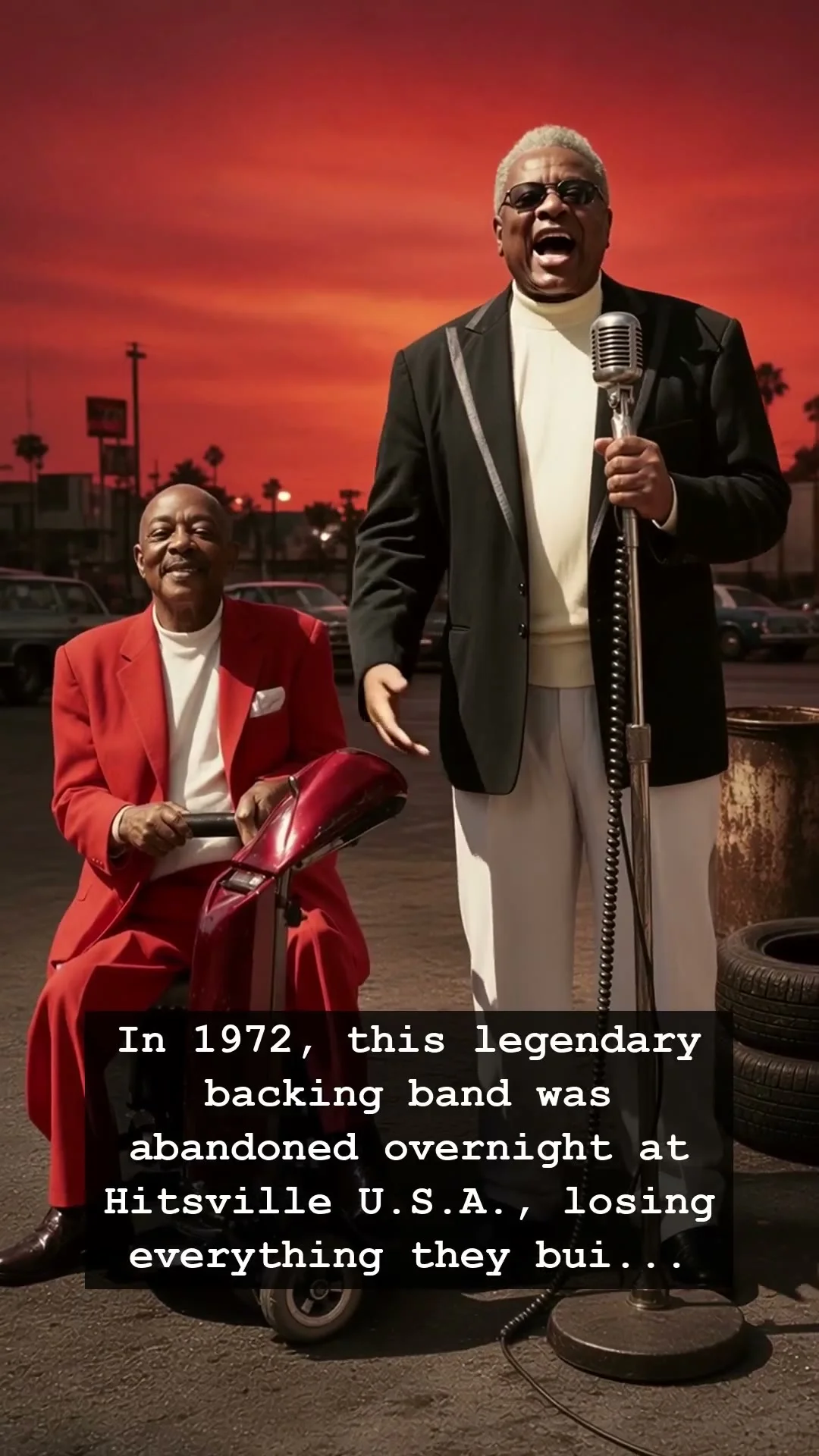
In the golden era of soul music, the pulse of America did not beat in the hearts of the stars alone. It thrummed through the basement of a nondescript house on West Grand Boulevard in Detroit, known to the world as Hitsville U.S.A. While the names on the records were Diana Ross or Marvin Gaye, the true architects of the Motown sound were The Funk Brothers. For years, they were the ghosts in the machine, a collective of virtuoso musicians who crafted the most recognizable hits in history. Yet, in 1972, the music abruptly stopped for them. Without warning or a word of gratitude, Berry Gordy relocated the label to Los Angeles, leaving The Funk Brothers behind like discarded set pieces in a studio that was suddenly hollowed out of its soul.
To understand the magnitude of this betrayal, one must revisit the atmosphere of the sixties. The air was thick with the scent of vinyl and the electric tension of a changing nation. Inside that cramped studio, The Funk Brothers were more than just session players; they were a brotherhood forged in the fires of endless recording sessions. They played until their fingers bled and their spirits soared, creating the iconic basslines and rhythmic textures that defined a decade. They were the unsung heroes of the Jukebox era, providing the soundtrack to countless romances, protests, and lonely nights. They were the backbone of Motown, yet they remained shadows in the liner notes, their individual contributions rarely acknowledged by the public.
When the move to California happened, it was not merely a business decision; it was a cruel severance of a cultural lifeline. Overnight, these masters of rhythm found themselves unemployed and erased from the future of the label they had built with their sweat and genius. The silence that followed in Detroit was deafening. It was as if the city itself had been lobotomized, stripped of the vibrant energy that had been its defining trait. Many of these legendary musicians slipped into anonymity, some struggling with the harsh realities of life after fame, others holding onto the bitter memory of a dream that had been unceremoniously dismantled.
The tragedy of The Funk Brothers is a stark reminder of the dark underbelly of the music industry during the seventies. It is a story of how brilliance can be exploited, packaged, and then discarded once the corporate trajectory shifts. Their plight highlights the often-violent transition from the collaborative, soulful roots of early Motown to the more detached, business-oriented landscape of the music world. While they never received the widespread acclaim they deserved during their prime, history has slowly begun to correct the record.
Today, we look back at their contributions not just as background music, but as the foundational elements of American pop culture. The legacy of The Funk Brothers lingers in every syncopated beat and every soulful chord change that still echoes from the airwaves. They were the architects of joy, even if their own end was steeped in silence. As we listen to those timeless tracks today, we are not just hearing Motown; we are hearing the heartbeat of men who were left behind, but whose music refused to die. Next time you hear the opening notes of a classic Motown hit, take a moment to listen for the brothers who made the magic happen.