
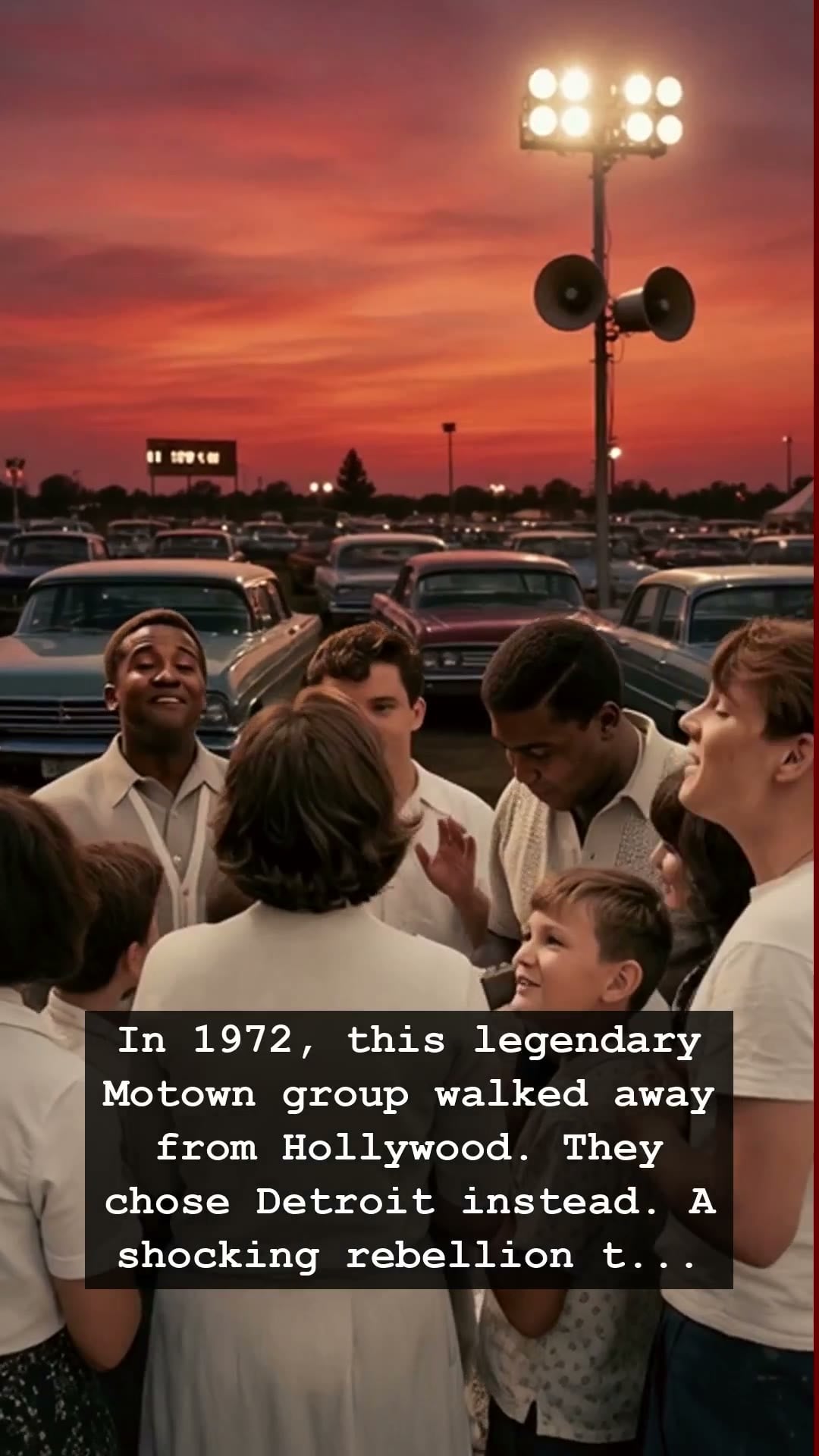
It was 1972, a year defined by the neon shimmer of the disco era and the encroaching shadow of corporate consolidation in the recording industry. While the world watched Motown Records transition from a scrappy Detroit dream to a polished Hollywood juggernaut, one group dared to commit the ultimate industry betrayal. The Four Tops, the velvet-voiced architects of hits like Reach Out I’ll Be There, did the unthinkable. As executives in Los Angeles prepared to package them as the latest glittery sensation, the group turned their backs on the palm trees and the promise of mainstream superstardom. They walked away from the empire that made them and locked themselves back in the gritty, soulful heart of Detroit.
To understand why The Four Tops would stage such a shocking rebellion, you have to look at the atmosphere of the early seventies. The Four Tops were not just a vocal harmony group; they were the backbone of the Motown sound, defined by Levi Stubbs’ raspy, heart-wrenching baritone and their unwavering professional integrity. For years, they had been the polished faces of the label, performing under the pressure of the Jukebox era’s relentless demand for chart-topping singles. But as Motown migrated to the West Coast, the disconnect grew. The industrial soul that birthed their music was being replaced by a sterile, cinematic veneer. To the members of The Four Tops, this shift felt like a dilution of their artistic identity.
This act of defiance left executives speechless. By choosing the familiar streets of Detroit over the glittering stages of Hollywood, The Four Tops were making a statement that transcended simple contract negotiations. They were reclaiming their roots in an era where authenticity was increasingly traded for commercial viability. There was no social media to broadcast this rift; there were only hushed whispers in the backrooms of recording studios and the tension that vibrated through the air during soundchecks. It was a bold gamble that risked their standing, yet it only cemented their legacy as men who valued their integrity above the gilded cage of fame.
Today, when we spin those old vinyl records, we hear more than just perfectly harmonized melodies. We hear the history of a group that survived the transition from the golden age of Soul to the onset of the Arena Rock era without losing their soul. The story of The Four Tops in 1972 serves as a poignant reminder that true artistry often requires the courage to say no. While the music industry has changed drastically since the days of the Walkman and the shift toward digital production, the struggle for creative control remains a timeless tale.
Perhaps that is why The Four Tops continue to resonate with us so deeply decades later. They represent a bridge between the raw emotion of the sixties and the polished professional shift of the eighties. They were more than just Motown legends; they were storytellers who understood that their loyalty belonged to the music and their hometown, not the bottom line of a corporate entity. As you listen to their timeless ballads, take a moment to appreciate the fire that fueled them—a fire that refused to burn out, even when the rest of the world was turning toward a different, colder light.