
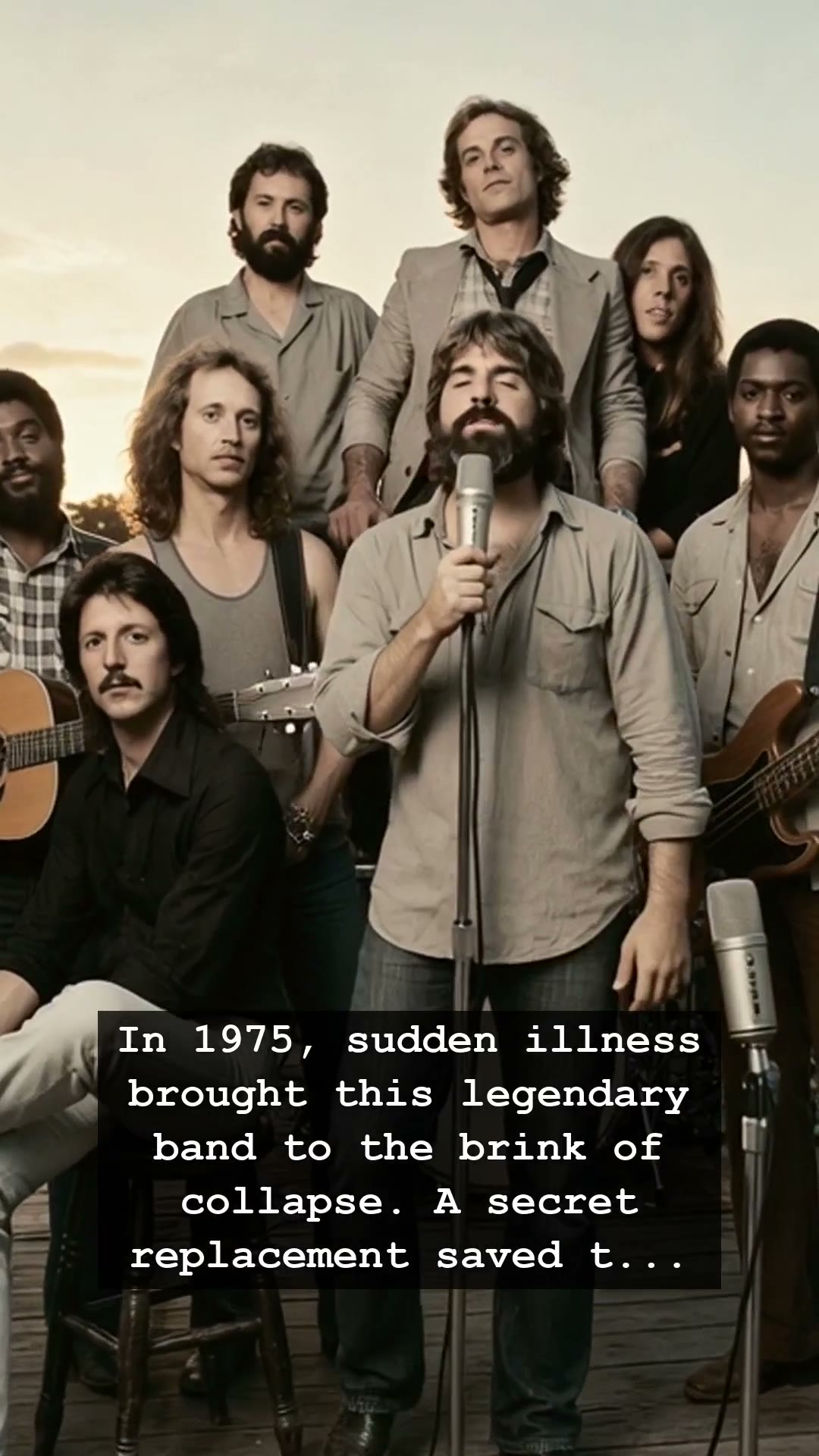
In 1975, the air was thick with the scent of cigarettes and the pressure of a million-dollar touring schedule. The Doobie Brothers, the kings of California rock, were teetering on the edge of a total breakdown. Their lead singer and creative force, Tom Johnston, was struck down by a debilitating illness, leaving the band adrift in a sea of uncertainty. With a massive tour looming and the industry giants waiting for their downfall, the band faced a silent nightmare. The music died in the practice room until a blue-eyed soul singer stepped out from the shadows of a recording session to change their destiny forever.
Enter Michael McDonald. Before he became the legend we know today, he was a session musician with a voice like velvet soaked in whiskey and gospel. The remaining members were desperate, and what started as a temporary fix during a tour rehearsal turned into a radical sonic transformation. Michael McDonald brought a sophisticated, jazz-inflected soul that felt miles away from the band’s biker-rock roots. Critics were skeptical, and some hardcore fans were furious, but as the first notes of Takin’ It to the Streets echoed through the airwaves, it was clear that a revolution had arrived.
The transition was not without its internal drama. While Michael McDonald breathed new life into the band, the shift toward a polished, blue-eyed soul sound created a rift that mirrored the changing landscape of the late 70s music scene. It was a time when the raw, guitar-heavy energy of Woodstock-era rock was slowly yielding to the sleek, studio-perfected production of the emerging FM radio era. Michael McDonald was the architect of this evolution, navigating the band through the high-pressure environment of legendary recording studios and the relentless glare of the spotlight.
Looking back, the arrival of Michael McDonald was more than just a personnel change; it was a defining moment of American music history. His unique vocal phrasing and intricate chord progressions defined the late 70s and early 80s, leaving an indelible mark on the decade. Whether you were hearing him through the tinny speakers of a portable Walkman or catching the buzz on a late-night radio broadcast, his influence was unavoidable. He rescued the band from the brink of obscurity and steered them into a golden age of chart-topping success, proving that sometimes, the greatest art comes from the most chaotic of circumstances.
Today, the legacy of Michael McDonald remains a cornerstone of the soft rock canon. His ability to blend R&B sensibilities with rock aesthetics created a sound that still resonates with generations of listeners, from those who remember the original vinyl pressings to those discovering the tracks on digital streaming services. The story of 1975 serves as a poignant reminder that even the most iconic bands are only one heartbeat away from fading into history. Next time you hear those unmistakable, soulful opening chords, take a moment to remember the man who stepped into the shadows and sang his way into immortality.