
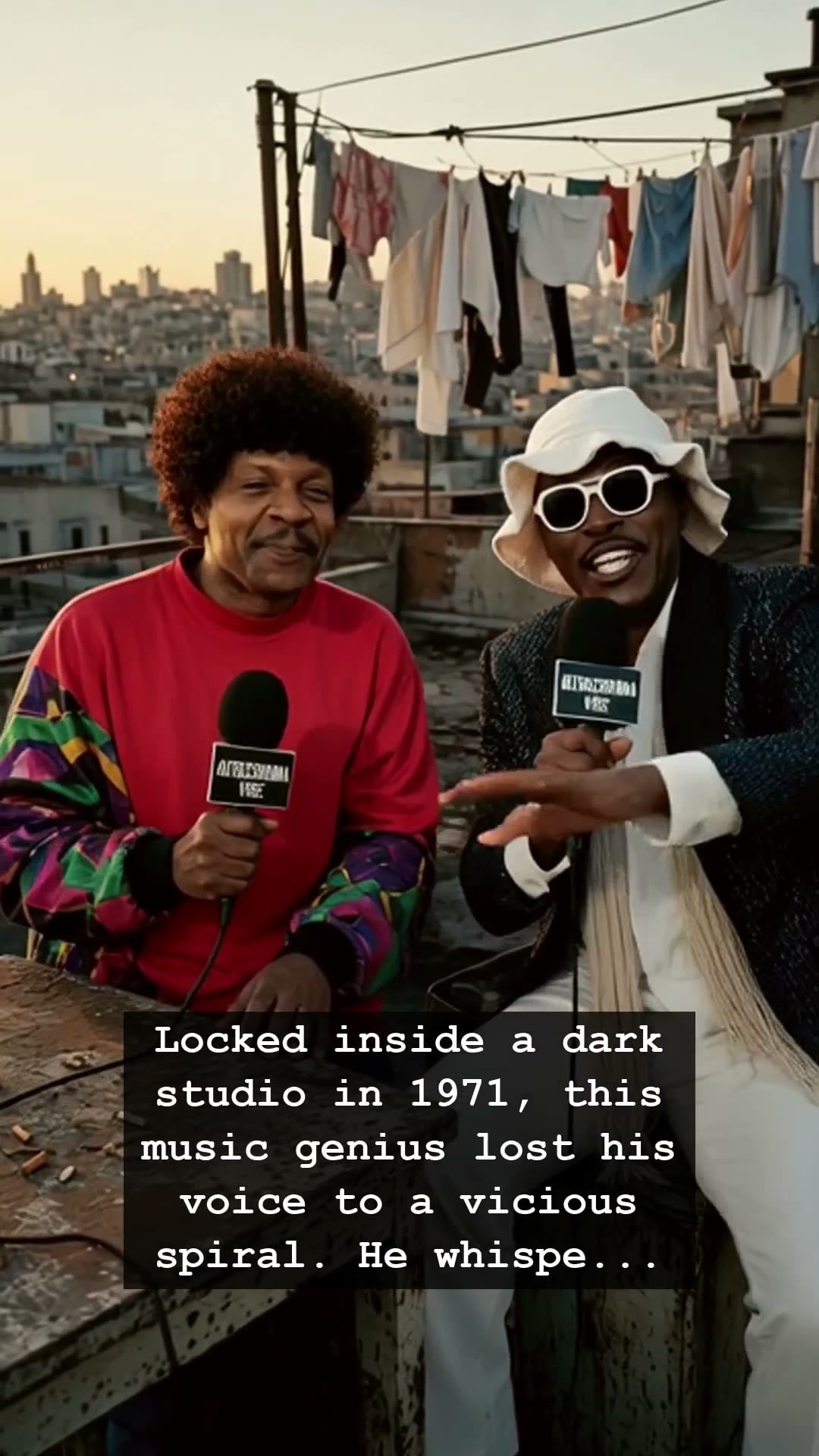
It was 1971, a year when the golden haze of the sixties had finally curdled into a cold, neon-lit paranoia. Inside a cramped, smoke-filled studio in Los Angeles, Sly Stone, the visionary architect behind Sly and the Family Stone, was unraveling. The man who once preached unity and sunshine through his revolutionary blend of funk and psychedelic soul had retreated into a fortress of shadows. He was not just recording an album; he was documenting his own slow-motion collapse. This was the era of the flickering Jukebox and the creeping shadow of the underground, and Sly was lost in the middle of it, clutching a microphone like a lifeline while his legendary voice simply slipped away into the ether.
Most musicians thrive on the energy of the crowd, but Sly Stone had begun to fear the world outside his soundproof booth. As he sat slumped in the darkness, the pressure of fame and the seductive weight of heavy habits had ravaged his vocal cords, leaving him with a thin, fragile whisper. Yet, in that moment of absolute vulnerability, something miraculous happened. Instead of abandoning the session, he leaned into the microphone, allowing his raspy, broken breath to become the centerpiece of the track. This accidental pivot birthed a sound that was raw, haunting, and deeply human—a stark departure from the polished, explosive funk anthems that defined the late sixties.
This sonic shift captured the very essence of the early seventies: a time when the optimism of Woodstock was being traded for the gritty, introspective reality of life behind the velvet rope. The resulting work was not just music; it was a desperate transmission from a man drowning in his own genius. While the world outside was transitioning from the communal spirit of rock festivals to the individualistic excess of Studio 54, Sly and the Family Stone were trapped in a private, claustrophobic loop. The music that emerged was darker, slower, and far more menacing than anything their fans had heard before, yet it felt undeniably authentic.
Even today, listening to the tracks from that period feels like peering into a forbidden diary. There is a palpable sense of unease in the arrangements, a tension that mirrors the internal conflict of a leader losing his grip. You can hear the ghosts in the room, the lingering echoes of a band that was once the brightest flame in American music, now flickering out in the dark. It is a haunting reminder that for many icons of that era, the price of creative transcendence was often their own peace of mind.
Sly Stone eventually drifted further into his own mythology, but the legacy of those studio sessions remains frozen in time. It serves as a testament to the fact that even when the light fades and the voice cracks, the truth of the art remains. Whether you discovered the band through the crackle of a vintage vinyl record or a late-night radio broadcast, the story of Sly and the Family Stone is a haunting, essential chapter in the history of American soul. Close your eyes, turn up the volume, and you can still hear the whisper of a genius reaching out from the dark.