
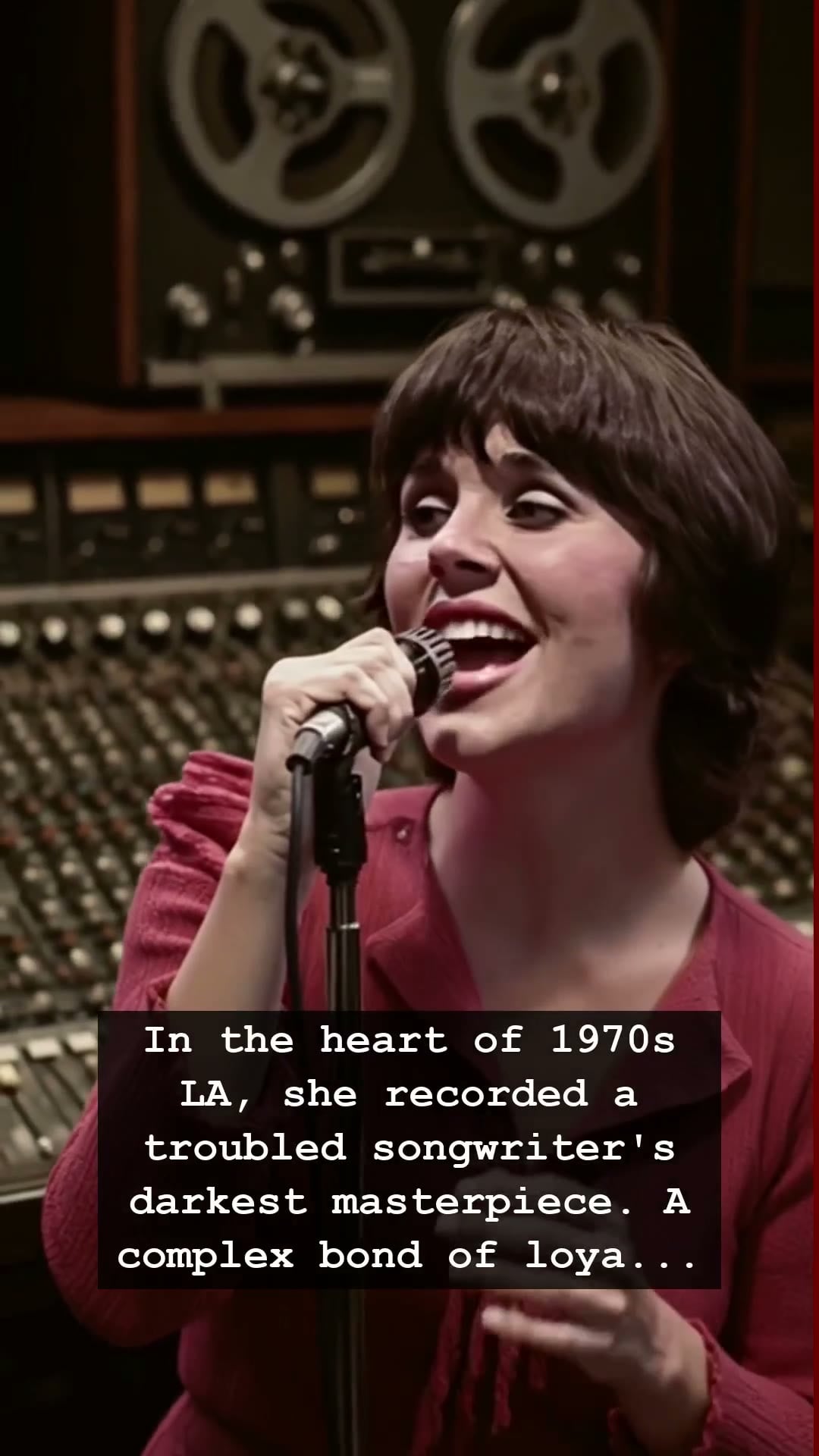
In the haze of 1970s Los Angeles, where the sunset glow on the Pacific Coast Highway masked a brutal, high-stakes music industry, a singular act of artistic mercy changed the course of rock history. Linda Ronstadt, already the reigning queen of the L.A. country-rock scene, found herself drawn to a man whose shadows were as profound as his lyrical genius: Warren Zevon. While the glittering crowds of the Whisky a Go Go and the excesses of the Troubadour defined the era, the bond between these two icons was forged not in the spotlight, but in the quiet, desperate urgency of a recording studio. Linda Ronstadt saw something in Warren Zevon that others overlooked—a raw, dangerous, and unapologetically dark brilliance that was often drowned out by his own self-destructive tendencies.
Warren Zevon was a master of the macabre, a songwriter who looked into the abyss and managed to hum a catchy melody while staring back. By the mid-70s, he was struggling, trapped within the volatile vortex of Hollywood fame and his own personal demons. It was Linda Ronstadt who became his greatest champion. When she chose to record his song Hasten Down the Wind, she did more than just pick a track for an album; she provided a lifeline to a troubled genius. Her decision to elevate his music forced the industry to pay attention to a man who was otherwise spiraling toward total obscurity. This was an era defined by the sound of the FM radio, the tactile clatter of the jukebox, and the constant hum of cocaine-fueled ambition, yet this partnership stood apart as something genuinely tender and protective.
Their friendship was a study in contrasts—the polished, effortless success of Ronstadt against the jagged, cynical edges of Zevon. She navigated the treacherous waters of celebrity with a grace that baffled her peers, while Zevon wore his cynicism like armor. Yet, their bond was unbreakable. Linda Ronstadt remained a constant anchor in his life, offering him the loyalty he often struggled to find within himself. Even as the decades passed and the landscape of music shifted from the analog warmth of the 70s toward the neon artifice of the 80s, the respect they shared remained a bedrock of authenticity in an often superficial industry.
Looking back, the story of Linda Ronstadt and Warren Zevon reminds us of the human cost behind the music we still cherish today. They represent a time when songwriting was an act of survival, a way to process trauma through chords and poetry. The dark masterpieces they created together still resonate because they speak to the universal struggle of being human in the face of inevitable decline. It was never just about the fame; it was about the desperate need to be heard and the grace of a friend willing to listen.
As we revisit the vinyl crackle of that golden age, we realize that the most powerful music didn’t just come from the charts—it came from the heart. The legacy of their collaboration endures, a haunting reminder that in the cold, dark corners of fame, loyalty is the only thing that truly lasts. May their music continue to guide us through our own quiet nights.