
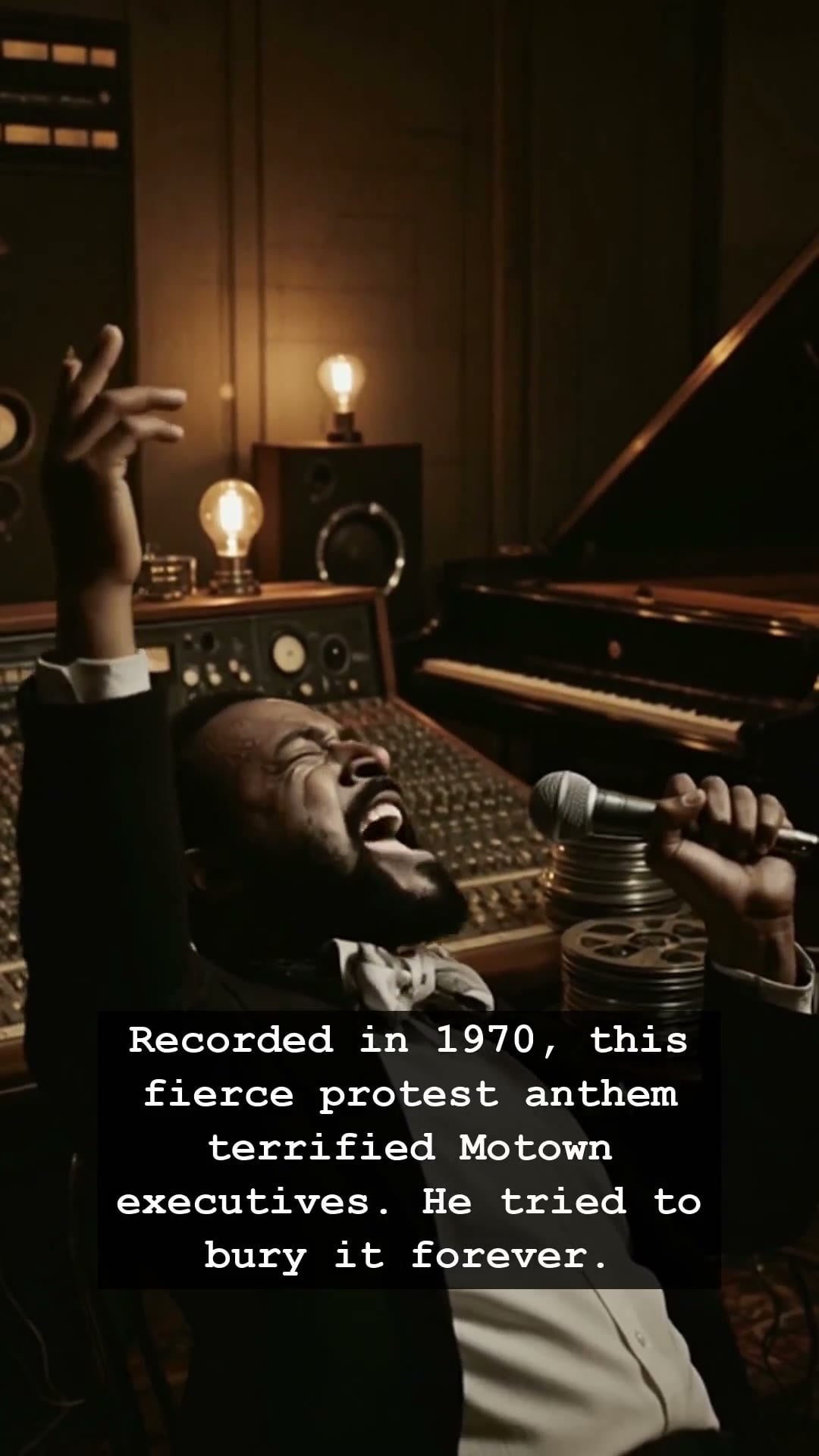
In 1970, the soul of America was fracturing under the weight of civil unrest, the Vietnam War, and a growing disillusionment that the Motown machine was desperate to ignore. While the label was busy polishing the sparkly, upbeat images of its stars to play on every jukebox from Detroit to the suburbs, Marvin Gaye was retreating into a deep, agonizing introspection. He had been a reliable hitmaker, a smooth crooner who delivered romantic ballads that kept the dance floors moving. But inside the walls of the recording studio, a revolution was brewing. Marvin Gaye was about to risk his entire career to release a protest anthem so raw and haunting that it terrified the legendary Berry Gordy, who famously tried to bury the song, calling it the worst thing he had ever heard.
That song, of course, was What’s Going On. It was a radical departure from the Motown sound, a sonic landscape of lush strings, layered vocals, and a jazz-influenced rhythm that felt more like a prayer than a pop record. At the time, the airwaves were dominated by the polished aesthetics of the era, and the thought of one of their biggest stars singing about police brutality, poverty, and environmental collapse was a PR nightmare. Berry Gordy saw the commercial suicide in it; Marvin Gaye saw the inevitable truth of a nation in turmoil. The tension in the studio was palpable, a clash between the corporate obsession with gold records and the artist’s desperate need to hold a mirror up to society.
Marvin Gaye fought tooth and nail for the song’s release, famously withholding his future work until Motown relented. When the single finally hit the streets in early 1971, it didn’t just top the charts; it changed the musical landscape forever. The streets, as it turned out, were starving for the honesty that the radio had been denying them. By bypassing the traditional glitter-and-glamour marketing, Marvin Gaye turned a protest anthem into a timeless manifesto. The song resonated because it captured the specific anxiety of a generation caught between the optimistic dreams of the sixties and the harsh, grit-filled reality of the seventies.
Looking back, the success of this track serves as a testament to the power of artistic defiance against the pressure of industry gatekeepers. Marvin Gaye didn’t just write a song; he transcended the role of a pop idol to become a voice for the voiceless. The studio walls that once contained the conflict became the birthplace of one of the greatest albums in history. The record, much like the changing cultural currents of the era, proved that when an artist is willing to lose everything to say something true, the world will eventually stop to listen.
Decades later, the haunting melody of this track still lingers, serving as a reminder of the fragility of peace and the burden of fame. We often think of the icons of the past as untouchable, yet Marvin Gaye was a man grappling with his own demons while trying to heal a broken country. Whether you remember hearing it for the first time on a crackling radio or discovering it in your collection years later, the impact remains unchanged. The story of how this anthem was almost erased from history is a chilling look at the price of truth in the music industry. So, as you revisit the classics today, take a moment to listen closer to the lyrics; the pain and the hope that Marvin Gaye poured into the microphone are still just as vital as they were fifty years ago.