
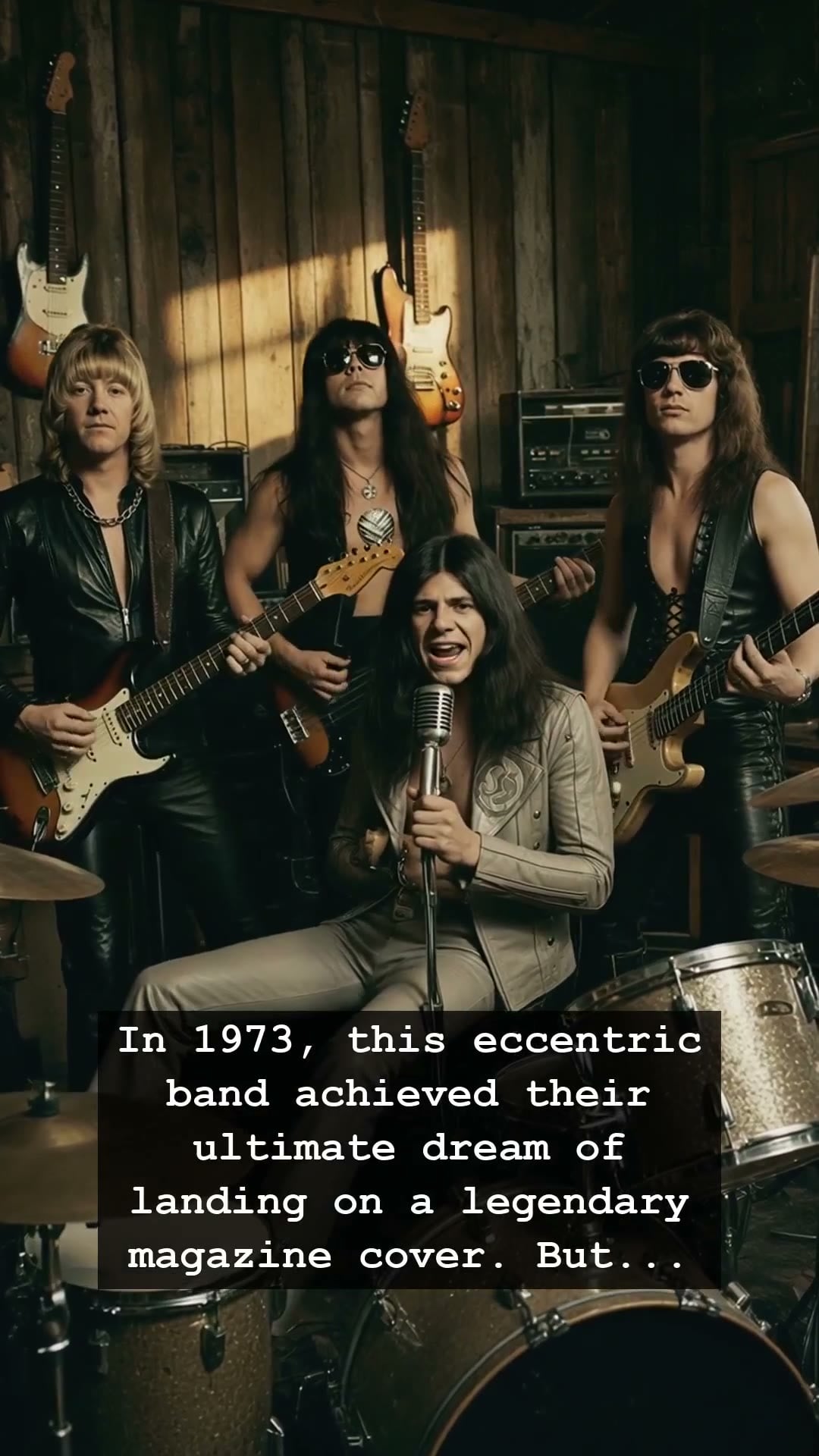
In 1973, a shaggy, eccentric band of misfits managed to turn a pipe dream into the most iconic pop culture statement of the decade. Before the internet age, when the Rolling Stone magazine cover was the ultimate gold standard for rock stardom, Dr. Hook and the Medicine Show had a simple, cynical, and hilarious request: they wanted to be on that cover. But they didn’t just want to be there; they wanted to mock the very institution that elevated them. They recorded a track that essentially begged for a front-page feature, a satirical anthem that poked fun at the industry while simultaneously chasing its validation.
The song, titled The Cover of the Rolling Stone, was a lightning rod for the music scene of the early seventies. Led by the raspy, charismatic charm of Ray Sawyer and the witty pen of Shel Silverstein, the band embodied the spirit of a jukebox classic. At the time, the airwaves were still humming with the transition from the late-sixties psychedelic haze into the more cynical, observational songwriting of the seventies. Dr. Hook and the Medicine Show were an anomaly—a band that looked like they had been living on the road for years, fueled by cheap whiskey and unfiltered ambition, standing in direct contrast to the polished glamour of the glam metal era that would soon follow.
What made this moment so chaotic was the band’s genuine desperation. They weren’t just singing about fame; they were experiencing the frantic, high-pressure machinery of the music industry firsthand. Behind the scenes, the band was constantly battling, balancing their quirky, anti-establishment image with the grueling demands of major label executives. Their demand for the cover wasn’t just a gimmick; it was a desperate plea for relevance in a world where artists were often treated as disposable assets. When Rolling Stone finally granted them the cover, it wasn’t a standard glossy photo shoot. They were pictured as caricatures, leaning into the very absurdity they sang about, a move that only added to the legend of Dr. Hook and the Medicine Show.
Looking back, this story perfectly captures the friction between art and commerce that defined that golden era of rock ‘n’ roll. It was a time when the myth of the rock star was reaching its peak, reinforced by massive stadium tours and the rise of music journalism as a cultural force. Dr. Hook and the Medicine Show found themselves caught in that storm, using humor to cut through the tension. They were rebels who wanted to be part of the establishment, a contradiction that mirrored the internal lives of so many musicians who struggled with the duality of fame and anonymity.
Even now, listening to the crackle of that opening guitar riff on a vinyl record brings back the scent of stale cigarette smoke and the flickering neon lights of a dimly lit dive bar. Their legacy is not just in their chart-topping hit, but in their willingness to be the joke in a room full of serious faces. They proved that if you play with enough heart, even the most legendary magazine in the world might just give you a seat at the table. Do you still play their hits when you want to feel that sweet, rebellious nostalgia of the seventies?