
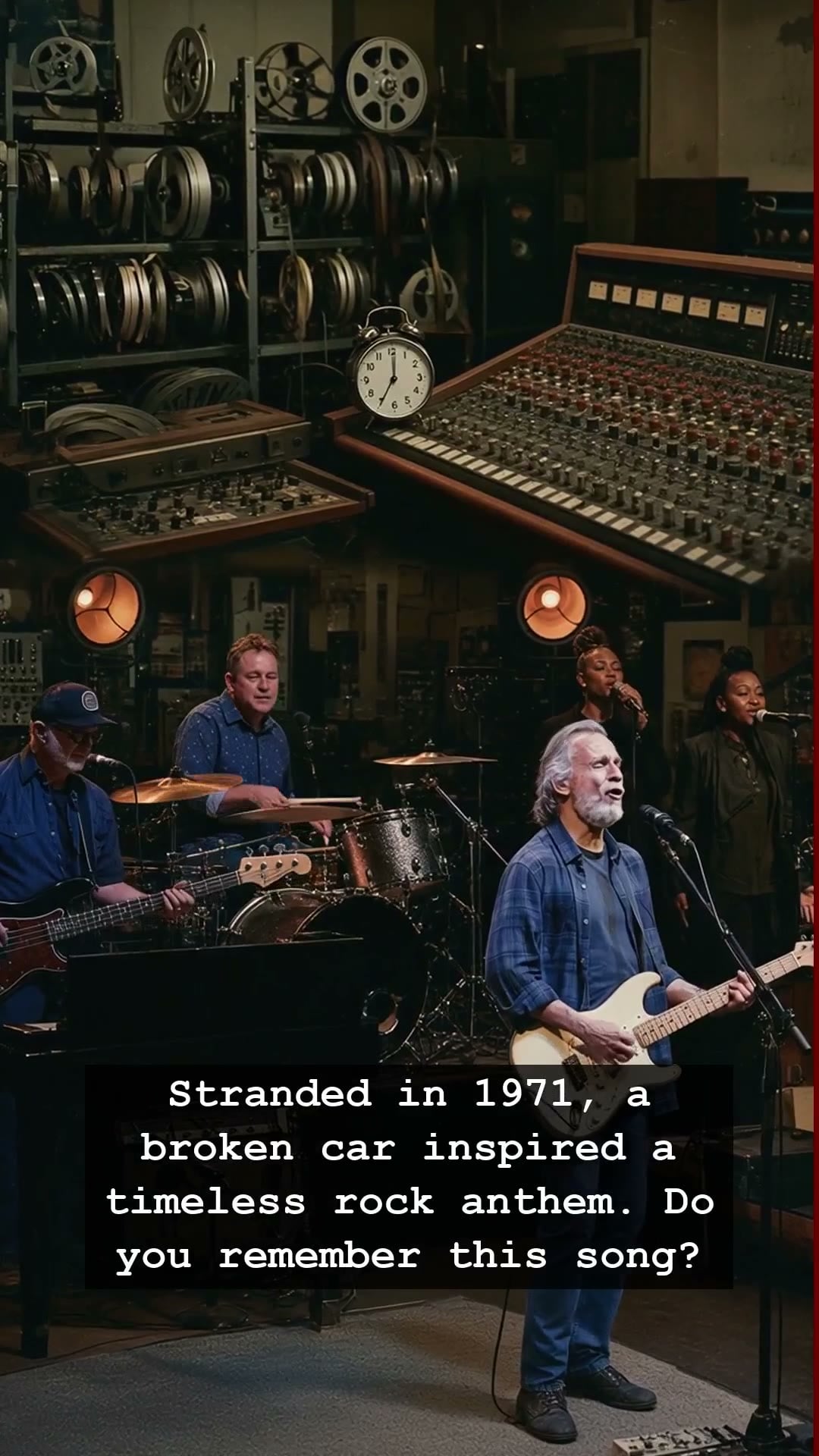
The year was 1971. The air was shimmering with the heat of the Mojave Desert, and the golden age of California rock was just beginning to find its soul. For a young, struggling singer-songwriter named Jackson Browne, the journey to stardom didn’t start in a plush recording studio or on a sold-out arena stage. It started on the side of a lonely highway, staring at a broken fender and the vast, unforgiving landscape. In that moment of isolation, something clicked. A stalled car became the catalyst for a song that would eventually define the laid-back, sun-drenched aesthetic of the seventies. That song was Take It Easy, a track that would later catapult the Eagles to global superstardom and immortalize the wandering spirit of the American West.
Jackson Browne was a master of the melancholic, but he also understood the rhythm of a restless generation. Stranded with time to kill and a melody playing in his mind, he began to piece together the lyrics that would define a decade. It was the era of the Jukebox and the emerging FM radio revolution, a time when listeners were hungry for stories that felt as vast as the open road. As he sat by his car, the lyrics began to flow—a mix of restlessness, the promise of freedom, and the haunting beauty of a life in transit. He didn’t know it then, but he was drafting the blueprint for what we now remember as the definitive California sound.
Completing the track in a quiet, cramped apartment, Jackson Browne struggled to find the final pieces of the puzzle. It wasn’t until his friend Glenn Frey stepped in that the song truly found its heartbeat. The collaboration was electric, bridging the gap between Browne’s introspective folk roots and the more polished, harmony-driven rock that would soon dominate the airwaves. When the song hit the radio, it wasn’t just a hit; it was a cultural anthem. It captured the exact essence of a generation caught between the idealism of the sixties and the polished, excess-filled world of the coming disco era.
Looking back, it is incredible how much of our musical history is tied to these mundane, human moments of failure. A broken fender, a stranded car, and a moment of frustration transformed into a melody that has resonated for over fifty years. Jackson Browne managed to bottle the feeling of sunshine, dusty boots, and the eternal search for something better. It is a testament to his songwriting genius that while the world changed—shifting from vinyl records to the portability of the Walkman and eventually to the digital age—his words remain as fresh as the day they were written.
Today, listening to those opening chords feels like stepping into a time machine. You can almost feel the wind on your face and hear the hum of the tires against the pavement. Jackson Browne taught us that even when life leaves you stuck in the middle of nowhere, the best songs are often the ones born from the stillness of those struggles. Do you remember where you were the first time you heard that opening riff? For those of us who grew up in the golden age of rock, it remains a beautiful, timeless reminder of the road taken.