
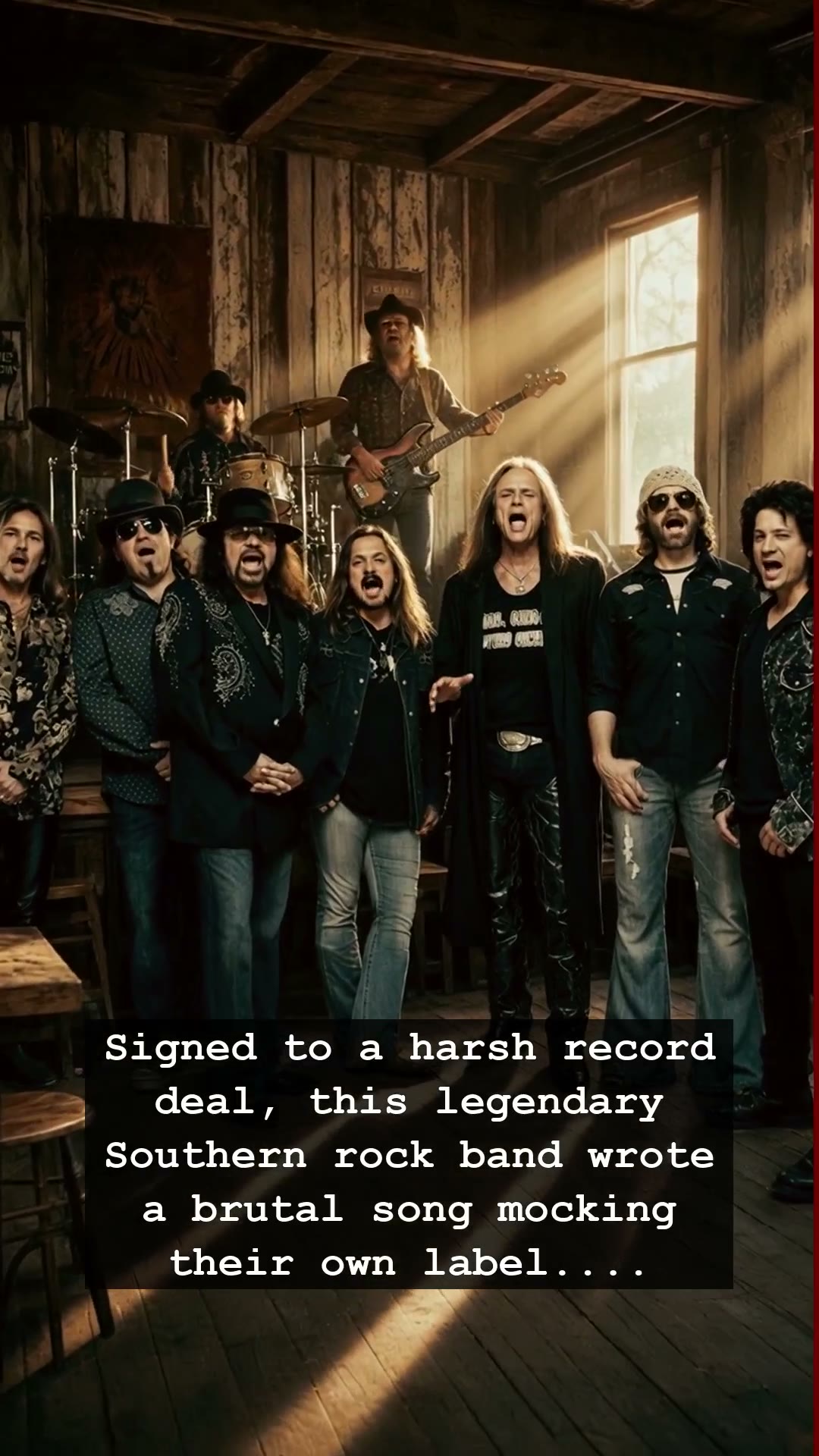
It was 1974, and the air in the recording studio was thick with both cigarette smoke and burning resentment. Lynyrd Skynyrd, the hell-raising kings of Southern rock, were trapped in a legal web that felt more like a cage than a career. They had signed a deal that left them feeling exploited, undervalued, and creatively shackled by their own record label. Rather than suffer in silence, they did what any self-respecting group of rebels from Jacksonville would do: they turned their rage into a weapon. They wrote a song that would become a legendary middle finger to the industry, a track that dripped with enough bitterness to make executives sweat under their polyester suits.
That song was Workin’ for MCA. While many fans caught up in the era of FM radio and denim jackets mistook it for a simple anthem about the life of a traveling band, the lyrics were a thinly veiled attack on their record label, MCA Records. Every line was a calculated jab at the industry gatekeepers who treated musicians like interchangeable cogs in a machine. They sang about the blood, sweat, and tears they poured into every stage performance, while the men in suits collected the checks. It was a dangerous game to play, considering they were still under contract, but for Lynyrd Skynyrd, silence was a far worse fate than professional suicide.
The tension within the band during this era was palpable, fueled by the relentless pressure of touring and the intoxicating, often dangerous, lifestyle of the seventies rock scene. The grit of their music mirrored their reality—a world where the Jukebox played hits, but the darkness of fame loomed large. By mocking their label, the band risked being blacklisted, dropped from their contract, and left with nothing but their guitars. Yet, that fearlessness is precisely what defined the Southern rock movement. They weren’t just playing music; they were living a defiance that resonated with every blue-collar fan who ever felt stepped on by “the man.”
Despite the friction, the song became a staple of their live performances, a rebel masterpiece that proved they couldn’t be tamed. The sheer audacity of the track transformed them from mere musicians into folk heroes of the American South. The record label executives were reportedly furious, sensing the blatant mockery, yet they couldn’t deny the commercial brilliance of the music. It was a classic standoff between artistic integrity and corporate greed, a struggle that defined the golden age of rock and roll before the clean-cut polish of the MTV era took over.
Looking back, the story of Lynyrd Skynyrd and their defiant anthem stands as a testament to the raw, unvarnished truth of the seventies music scene. It reminds us of a time when artists weren’t afraid to burn bridges to keep their souls intact. That spirit of rebellion still echoes today, reminding us that sometimes, the greatest art is born from the most volatile circumstances. The next time you hear those iconic guitar riffs, remember the boys who dared to bite the hand that fed them, forever cementing their legacy in rock history.